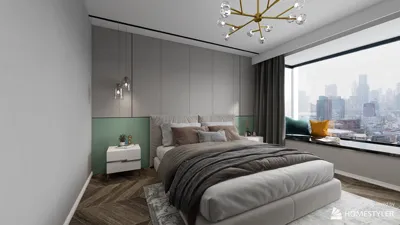


In recent years, the combination of gray and green has emerged as one of my preferred palettes for living room designs. Reports from major design outlets highlight its growing popularity, attributed to its harmonious mix of tranquility and energy. I've personally observed that smaller spaces truly benefit from this blend—soft grays enhance the feeling of spaciousness while the addition of greens injects vitality. In this article, I’ll present 10 living room concepts that incorporate gray and green, drawing from real-world projects and expert insights, including the innovative capabilities of Homestyler.
1. Sleek Gray Sofa Complemented by Deep Green Accents
My Insight: In one of my urban apartment designs, we established the room’s focal point with a streamlined gray sofa, accessorized with plush deep green velvet cushions, which instantly made the space feel both elegant and welcoming.
Advantages: A sleek gray sofa serves as a versatile base that harmonizes beautifully with various shades of green, allowing for easy updates to the decor. As noted by Better Homes & Gardens, neutral seating enhances styling options greatly.
Disadvantages: If the chosen gray shade is excessively cool-toned, it may create a chilly atmosphere during winter. Introducing textured throws can remedy this effect.
Suggestion: Experiment with layering different greens—such as olive, emerald, and moss—for added depth.
2. Green Accent Wall to Showcase Artwork
My Insight: On a project, I utilized a soft sage green wall to elegantly frame a client’s art collection. The artworks seemed to leap from the wall, effectively enhancing the room without overwhelming it.
Advantages: Green accent walls serve as serene backdrops that highlight framed artworks; this tactic is particularly effective in smaller rooms, providing focus without clutter. Incorporating minimalist storage solutions elsewhere can free up the budget for these impressive accent walls.
Disadvantages: Using bold green tones might restrict options for future repaints if design preferences shift significantly.
3. Textural Layers in Gray and Green
My Insight: In a loft I designed last year, we blended a gray wool rug, lush green chairs, and soft linen curtains, resulting in a sensory experience that photos alone can’t convey.
Advantages: Mixing textures in gray and green enriches the visual appeal and avoids a flat aesthetic; Architectural Digest cites that varied textures enhance perceived comfort.
Disadvantages: Overloading with multiple textures can create visual discord; it’s best to select 3–4 primary textures to maintain harmony.
4. Use of Indoor Plants to Enhance the Palette
My Insight: In nearly every gray and green project I undertake, I incorporate live plants—ranging from fiddle leaf figs to cascading pothos—because they naturally integrate with the color scheme.
Advantages: Plants improve air quality and seamlessly connect gray furnishings with green accents. Research from NASA confirms that certain indoor plants help enhance air quality.
Disadvantages: Taking care of high-maintenance plants can be labor-intensive; synthetic plants are a viable alternative for busier lifestyles.
5. Gray Walls Paired with an Emerald Green Sofa
My Insight: In a compact living-dining area, we flipped the conventional design by utilizing gray walls and a striking green sofa, allowing the seating to stand out as the room's centerpiece.
Advantages: A jewel-toned sofa injects character and pairs beautifully with understated gray walls; this arrangement creates a unified focal point. Similar principles apply to glass backsplashes in kitchens, enhancing the overall space.
Disadvantages: A bright sofa requires careful upkeep; stains and fading can be quite noticeable.
6. Incorporating Mixed Metal Accents
My Insight: I enjoy combining warm brass floor lamps with silver-framed mirrors within gray and green designs; it prevents the color scheme from appearing too flat.
Advantages: Metallic contrasts introduce reflections that can enhance the perception of space, making them an excellent choice for smaller living areas.
Disadvantages: Overmixing metal finishes can create chaos; it’s advisable to limit to two types for balance.
7. Painting the Ceiling Soft Gray
My Insight: Opting for a soft gray ceiling instead of stark white helps green walls feel more inviting and cozy; I’ve effectively used this technique in dimly lit rooms.
Advantages: A gentle gray ceiling aids in creating a seamless transition from wall to ceiling, enhancing visual cohesion.
Disadvantages: This choice may make very small rooms feel even shorter; compensating with adequate vertical lighting can alleviate this issue.
8. Monochromatic Gray Layers with a Touch of Green Art
My Insight: Layering various shades of gray—like a charcoal rug, ash sofa, and dove curtains—then introducing a bold green painting is a tactic I’ve successfully employed in bachelor pads.
Advantages: This approach helps keep significant investments neutral while allowing for seasonal changes in artwork to refresh the ambiance.
Disadvantages: There’s a risk of the space appearing sterile if the green accent is too understated.
9. Scandinavian-Inspired Gray and Sage Setup
My Insight: Simple gray furniture, complemented by sage walls and light wood accents, produces a calming effect—ideal for leisurely living rooms.
Advantages: Scandinavian design favors light colors and natural materials, contributing to an airy feel in compact spaces; similar space-saving techniques can be employed in kitchens with L-shaped layouts.
Disadvantages: This design might not resonate if you lean towards bolder patterns or intense colors.
10. Statement Lighting Above Gray and Green Arrangement
My Insight: I have installed grand rattan pendants over gray and green seating areas, transforming them into conversation starters during gatherings.
Advantages: Statement lighting captures attention and can unify the entire palette through its materials or colors.
Disadvantages: Large fixtures may dominate smaller, low-ceilinged rooms; they should be scaled appropriately for balance.
Conclusion
Small living rooms aren’t limitations; rather, they present opportunities for thoughtful design choices. The gray and green palette provides a timeless balance, and whether you choose bold or subtle ways to incorporate it, the key lies in strategic layering. As highlighted by House Beautiful, utilizing a restrained palette with conscious accent choices enhances both comfort and the potential for resale value. Which of these design concepts are you eager to try out with the help of Homestyler?
Frequently Asked Questions
1. Why is the gray and green color scheme ideal for living rooms?
This combination balances tranquility and vibrancy—gray offers a neutral backdrop while green adds a lively touch, fitting equally well in modern and traditional homes.
2. Is the gray and green palette suitable for small living areas?
Certainly! Using lighter grays can visually expand the space, while greens can create focal points to enhance the design.
3. Which shades of green pair best with gray?
Soft sage, olive, and emerald harmonize wonderfully. Pantone notes that these greens are trending due to their calming effects.
4. Should I opt for gray walls or green accents?
The choice depends on whether you desire energy (with green walls) or a calm and adaptable space (with gray walls). Both can be effective in small rooms.
5. What are some ways to incorporate texture in a gray and green room?
Utilize rugs, cushions, and curtains in a variety of materials such as linen, velvet, and wool to create visual depth.
6. Are plants a good addition to gray and green interior designs?
Absolutely! Plants not only emphasize the green accents but also soften the formal appearance of gray furnishings.
7. Do metallic finishes clash with a gray and green palette?
Not if you limit it to two different finishes. Both brass and chrome work well in modern gray and green settings.
8. How can I effectively plan my layout around this color scheme?
Utilizing an AI home design tool like Homestyler can help you visualize and balance your layout before making any irreversible design choices.
Homestyler is your go-to online home design platform! With its user-friendly design tool, stunning 3D renderings, and a wealth of design projects and DIY video tutorials, you can easily transform your space into a masterpiece, regardless of your experience level.
Design Now for FREE
































