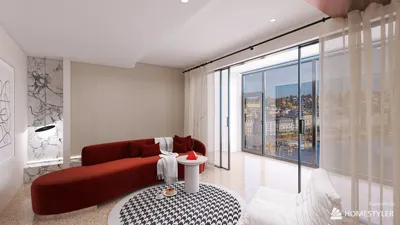


Incorporating grass wall designs transcends mere trendiness—it's a revolutionary approach that breathes life and a sense of nature into any domicile or working environment. In our bustling urban landscapes, numerous homeowners and renters grapple with the scarcity of greenery, which can adversely affect their well-being. A grass wall introduces a verdant, sensory-rich component indoors, turning even the most mundane space into a serene retreat. Almost immediately, both guests and residents perceive a reinvigorated atmosphere: softer, more tranquil, and extraordinarily dynamic. This method is effective whether your aim is to create a relaxing ambiance, an inspiring workspace, or simply to make a striking statement on your wall.
Is a grass wall feasible for your interior space? Absolutely—with appropriate planning and product choices. Grass-on-wall solutions can incorporate either live, hydroponic systems or highly realistic artificial grass panels, each catering to various taste preferences and maintenance requirements. While artificial grass boasts minimal upkeep and is allergy-friendly, real grass walls necessitate consistent watering, sunlight exposure, and specialized substrate but provide unparalleled natural advantages. Apartment dwellers interested in interior landscaping should also remain informed of local building regulations and rental agreements—using modular or removable options can help comply with leasing terms while maintaining design flexibility.
Before embarking on your installation, evaluate factors like lighting, humidity, and foot traffic in the area. Spaces with ample hydration, such as bathrooms, are ideal for high-quality artificial turf, while sunlit areas can support thriving genuine grass. Measure your wall precisely and draft a rudimentary layout: are you considering a complete wall, a geometric design, or merely an accent strip? Drawing from my extensive experience as a content strategist focused on home design, I advise starting small for your initial installation to ensure success.
Effective Planning and Grass Wall Installation: Key Steps for Success
1. Assess the Site: Evaluate wall surfaces for sturdiness, moisture levels, and load potential. Drywall, cement, and wooden panels can all be adapted with the right fixings. Steer clear of damp-prone areas unless using moisture-resistant artificial grass.
2. Choose Your Materials: For living walls, opt for drought-tolerant grasses or sedum varieties (refer to the Harvard Joint Center for Housing Studies for eco-friendly plant recommendations). If selecting synthetic options, ensure you pick UV-resistant turf with a realistic texture, avoiding any materials that release harmful gases (consult USGBC LEED guidelines for safe indoor practices).
3. Carry Out the Installation: Define the area, then attach mounting grids, mesh, or wall anchors according to the manufacturer's instructions. Artificial grass panels typically interlock or stick on with removable strips. For living grass, set up a waterproof layer, then add your planting substrate and hook up irrigation lines. Ensure panels are secured tightly to prevent sagging or gaps.
4. Add Finishing Touches: Integrate accent lighting, wooden shelves, or plant-friendly décor for enhanced visual interest. In alignment with NAHB’s sustainable building methods, make sure that any additional installations do not compromise the wall’s integrity or impede emergency exit routes (aim for ADA compliance).
Inspirational Grass Wall Ideas for Every Room
Living Rooms: A fully-fledged grass feature behind your couch can serve as a captivating central gathering point. For a subtler touch, line the entertainment center with vertical stripes of greenery to introduce color without overwhelming the design.
Home Offices: Position a grass wall behind your desk to invigorate the space instantaneously. Many users notice that nature-themed backdrops enhance productivity and alleviate eye strain in settings where screens are predominant.
Children’s Play Areas: Utilize grass panels as engaging accents—paired with climbing holds or playful animal decals for added fun and durability.
Balconies and Patios: Outdoor-grade artificial grass walls can endure extreme weather, providing privacy while maintaining a vibrant green presence, particularly beneficial in densely populated urban locales.
Kitchens and Bathrooms: Modular, waterproof panels (which are easy to remove and clean) rejuvenate practical areas with minimal risk of moisture damage. According to recent HUD data, these adaptations are gaining traction in compact homes seeking biophilic advantages in limited spaces.
Artificial vs. Real Grass: Comparing Performance, Cost, and Upkeep
The choice between artificial and real grass walls ultimately comes down to maintenance, health considerations, and budget constraints. Real grass purifies indoor air (as indicated by EPA IAQ studies) and provides a genuine sensory experience. Yet, it requires vigilant care; overwatering can lead to mildew while insufficient light can hinder growth. Meanwhile, artificial grass is immediately lush, remains vibrant without the need for water or fertilizer, and is hypoallergenic. When choosing products, look for those certified for indoor air quality safety and verify that they meet fire ratings per local regulations (consult manufacturer documentation for assurance).
Design Insights: For sustainable spaces, consider hybrid installations that unite artificial base panels with selective spots of real moss or air plants, providing low-maintenance advantages, complemented by touches of genuine greenery.
Maintaining Your Grass Wall in Pristine Condition: Expert Care Tips
Regularly dust with a soft brush or handheld vacuum. For artificial grass, spot clean as needed with mild soap and water. In the case of living walls, check irrigation lines, trim any dead growth, and monitor for pests or fungi. Adjust the substrate or panel positioning seasonally, particularly for spaces with abundant sunlight or near HVAC vents. For renters, peel-and-stick grass tiles or lightweight grids are a damage-free alternative—no drilling or painting necessary—ensuring your deposit remains intact when you move out.
Strategy 1: Create Layers for Impact
Combine grass with floating wood shelves, metallic planters, or soft LED lighting to add depth and personality. This mixture amplifies the biophilic effect while providing practical storage and display solutions. For a dramatic touch, frame your grass panel with contrasting colors or bold geometric patterns.
Strategy 2: Prioritize Safety and Sustainability
Always check material ratings for fire safety and suitability for indoor use. Choose non-toxic, low-VOC adhesives (based on AIA material transparency standards), and opt for manufacturers offering recycling programs at the end of the product’s life cycle to elevate your project’s sustainability.
Strategy 3: Adapt for Fixtures and Hardware
Anticipate any items you'll need to mount—art pieces, mirrors, smart home devices. Many premium grass panels feature pre-cut points for easy integration of technology without leaving unsightly gaps.
Questions and Answers
Q: Can renters install grass walls without violating their lease? A: Yes, using stick-on or modular grass panels allows for easy installation and removal without damaging walls, making them ideal for tenants—always confirm with your landlord and check local housing regulations beforehand.
Q: How can I prevent mold growth on real grass? A: Ensure adequate ventilation, utilize breathable backing, and avoid over-watering—consider hydroponic systems with automatic timers for effortless maintenance.
Q: Are real grass walls compliant with ADA standards? A: Typically, yes, as long as they do not obstruct pathways, exits, or pose slip/fire risks. Always adhere to local accessibility regulations for communal spaces or multi-unit residences.
Q: Does installing grass walls affect the market value of a home? A: High-quality installations tend to enhance property appeal—particularly in urban condos or design-centric markets. Removable systems minimize potential drawbacks for future buyers.
Q: Where can I source certified safe products? A: Seek materials that have been tested and certified by NAHB, USGBC, or AIA for health, environmental, and fire safety. Manufacturer reports and third-party testing facilities should provide comprehensive documentation.
Ready to Embrace Grass Wall Design?
Your walls can be exciting and full of life. With careful planning and quality materials, grass wall design introduces authenticity, well-being, and a stunning aesthetic—no outdoor space necessary. Take the plunge and witness your area transform into a vibrant haven.
Discover Homestyler
Homestyler is your go-to online home design platform, perfect for all skill levels. With its user-friendly design tool, stunning 3D renderings, diverse design projects, and helpful video tutorials, you can effortlessly create and visualize your dream space. Start designing today!
Desain sekarang Gratis
































