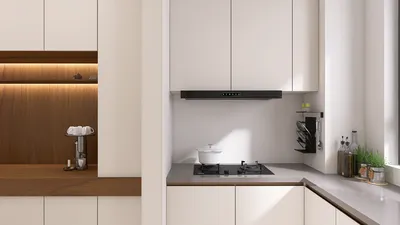


Granite has been a staple in many of my kitchen designs over the last ten years, catering from small urban galley layouts to expansive family islands that serve multi-functional purposes like homework areas. The price per square foot often influences procurement decisions, but this figure rarely tells the complete story. Typically, I find that the cost for kitchen-grade granite in the U.S. ranges from $55 to $110 per square foot, with select unique patterns and intricate edge profiles reaching up to $140. The pricing variability is linked to factors such as the stone's origin, thickness, fabrication complexity, and the local labor market. To better align budget planning with user comfort, I reference the WELL Building Standard’s recommendations for task lighting—a well-lit counter not only enhances cooking performance but also ensures safety (WELL v2 Lighting). Additionally, studies from Gensler Workplace Research indicate a strong correlation between a quality environment and productivity; this principle, when applied to the kitchen, shows that quality surfaces and lighting can significantly improve everyday efficiencies (Gensler Research).
In projects where we combine granite with appropriately adjusted under-cabinet lighting, I aim for 300 to 400 lux at the countertop, following IES task guidelines (IES Standards). The choice of color influences not just the visual cleanliness but also the appetite; as noted by Verywell Mind, warmer shades tend to invite while cooler hues give a cleaner appearance. This insight is crucial when determining speckle density and base colors in granite (Color Psychology). Throughout my installations, I observe that the material-only costs for commonly used granites, such as Ubatuba, Santa Cecilia, and Black Pearl, usually range from $25 to $45 per square foot, while the total price for fabrication and installation typically falls between $55 and $110 per square foot.
Understanding Granite Pricing Per Square Foot
Vendors generally quote granite pricing on a per-square-foot basis, typically encapsulating several components including slab grade and thickness (2 cm versus 3 cm), fabrication (such as cutouts and edge profiles), installation, and usually a basic sealing service. From my experience, a straightforward breakdown might be as follows: material costs between $25 and $60 per square foot, fabrication between $15 and $35 per square foot, and installation between $10 and $25 per square foot, with additional charges for sink cutouts ($150 to $350 each) and edge upgrades ($8 to $25 per linear foot). For premium and exotic stones, material costs can rise to $70 to $100 per square foot before considering fabrication. Should your kitchen layout require adjustments, utilizing a room layout tool like Homestyler can aid in planning seam placements, overhangs, and island sizes which all impact costs and cuts.
Considering Layout, Seams, and Waste—The Hidden Factors
Granite is sourced as limited slabs, and the geometry of your kitchen largely dictates how effectively these slabs are utilized. For instance, an L-shaped kitchen with deep overhangs may necessitate two slabs, resulting in at least one seam. Island countertops exceeding 96 to 120 inches (dependent on the specific bundle and quarry) may also require additional purchases or seam strategies. Furthermore, waste from matching patterns and cutouts (for cooktops and sinks) can inflate material usage by 10 to 25%. I keep the size of the slabs in mind during design, aiming for longer runs within standard slab dimensions and positioning sink centers away from narrow edges to minimize the risk of breakage and lessen fabrication time. Utilizing a layout simulation tool can effectively illustrate where seams will be placed and how vein continuity will look prior to making a final commitment.
Thickness, Edge Profiles, and Complexity of Fabrication
In most of my kitchen projects, I prefer using 3 cm granite for its sturdiness and sleek appearance without additional build-up. Alternatively, thinner 2 cm granite can be used effectively with mitered edges or laminated aprons, though this increases labor costs. The choice of edge profiles can also affect pricing: basic eased and pencil edges may be included, whereas ogee, waterfall miter, or bullnose edges include per-linear-foot costs. Waterfall ends above dishwashers or along island edges can elevate fabrication time and handling risks, so it's important to budget for these aspects. I also separate out costs for cooktop and undermount sink cutouts due to the need for reinforcement and finishing touches to ensure quality.
Considering Color, Pattern, and Maintenance
Darker granites featuring small, uniform grains can effectively conceal crumbs and water stains. In contrast, lighter and high-contrast stones tend to showcase marks more easily but enhance brightness—particularly when complemented with task lighting set at 350 to 400 lux. The color temperature of the lighting also affects how granite is perceived—lower temperatures (2700 to 3000K) warm golds and browns, while higher temperatures (3500 to 4000K) keep grays and blacks looking sharp. Maintenance schedules vary based on the stone's porosity; typically, kitchen granites benefit from annual sealing in homes with heavy usage. I favor using penetrating sealers with low VOC levels and recommend employing coasters in areas where coffee or acidic substances frequently come into contact with the stone.
Common Budget Scenarios
- Compact galley (35–45 sf): $2,300–$4,000 installed, encompassing standard edges, one sink cutout, and basic backsplash.
- Family kitchen with an island (60–80 sf): $4,200–$7,500, covering two cutouts, upgraded edge on the island, and one seam.
- Large custom island or waterfall (90–120 sf): $7,000–$12,500 involving waterfalls and intricate miters.
These estimates assume mid-market labor and stone availability in the U.S.; costs may vary in coastal regions and remote areas. I also double-check quotes against local shop minimums, as some fabricators have base fees that can skew small kitchens to a higher price per square foot.
Focusing on Lighting and Ergonomics with Granite Surfaces
Performing tasks on granite surfaces is optimized by consistent, low-glare lighting along with ergonomic clearances. It’s best to install under-cabinet fixtures in a way that directs light onto the countertop, minimizing shadows during food preparation. I typically recommend a clear counter depth range of 18 to 24 inches in primary zones and place large appliances away from high-frequency prep areas. Drawing from WELL v2’s focus on visual comfort, controlling glare is a priority, while adhering to IES recommendations ensures adequate illumination for knife work and reading food labels. These measures are best complemented by soft-close hardware to prevent potential chipping on edges due to abrupt impacts.
Addressing Acoustics and Kitchen Workflows
Granite surfaces tend to be hard and reflective, which can lead to noise reverberations. If your kitchen opens up to living spaces, I suggest mitigating sound by incorporating fabric pendants, rugs, or acoustic panels near dining areas to maintain pleasant speech intelligibility. From a workflow standpoint, the thermal mass of granite aids in managing cool-down zones for baking; however, using trivets with cast iron or high-heat cookware is advisable to prevent thermal shock. I strategize workflow by mapping out the "prep–cook–clean" triangle, ensuring uninterrupted granite spans in the prep zones while utilizing butcher blocks solely in frequently used knife work areas to protect the granite edges.
Sustainability and Sourcing Practices
For projects that prioritize environmental impact, I ensure to request quarry and finishing documentation while also assessing transport distances. Utilizing reclaimed or remnant slabs available in fabricators’ yards can significantly reduce both cost and waste; I have crafted remarkable islands using remnant book-matches. In addition, pairing granite with energy-efficient LEDs, dimming capabilities, and occupancy sensors in secondary zones can lower energy consumption while preserving the visual clarity granite offers.
Tips for Negotiating and Comparing Quotes
When approaching vendors, ask for a detailed price per square foot that includes line items for slab selection, edge profile, cutouts, backsplash returns, sealing, and demolition/disposal fees. Confirm specifics like whether templating, on-site seam grinding, and faucet hole adjustments are part of the deal. I often request images of the actual slab lot to confirm color consistency—variations between bundles can be significant. Generally, lead times fall between 7 and 14 business days from template to installation, though custom edges and waterfall features often extend that period by about a week.
When Granite Is Not the Ideal Choice
For households that frequently cook with strong acids, opting for quartz or dense engineered surfaces may simplify maintenance burdens. For renters or those flipping properties, laminates with high-pressure finishes can achieve a polished appearance at roughly one-third the cost. In dynamic family kitchens, I occasionally mix materials—using granite for perimeter durability and wood for the primary prep island—to harmonize acoustics and enhance knife handling experience.
Frequently Asked Questions
For standard edges and mid-market stones, I typically see installed prices ranging from $55 to $110 per square foot. More premium exotic options or complex edges can escalate costs to between $120 and $140 per square foot.
Yes, while 3 cm slabs are pricier, they negate the necessity for laminated build-ups. 2 cm slabs can appear thicker with mitered fronts; however, this increases fabrication time, thereby reducing any cost savings.
I recommend maintaining 300 to 400 lux at countertops for prep activities, adhering to IES guidance on glare control principles that align with WELL v2 Lighting. Bright, consistent lighting enhances the clarity of lighter granites and showcases the true colors of darker stones.
Fine-grain mid-tone granites like Black Pearl, Steel Gray, or reliable Ubatuba are easy to maintain. High-contrast white granites may show more stains but can heighten perceived brightness, especially under 3500 to 4000K lighting.
Although many shops include an initial sealer coat, it’s prudent to verify this in your quote. Typically, expect to reseal granite annually in high-use kitchens or every 18 to 24 months in lighter-use spaces.
More seams equate to increased labor and time for pattern alignment. I plan to place seams where veining is minimal, steering clear of sinks and high-impact zones. Utilizing an interior layout planner, like Homestyler, can assist in visualizing the seam configurations before actual fabrication.
Generally, standard eased or pencil edges are included. However, ornate edges such as ogee, bullnose, or mitered waterfalls come with an added cost of $8 to $25 per linear foot, with waterfall edges requiring further miter work.
Undermount sink and cooktop cutouts typically add charges of $150 to $350 each, with reinforcements needed. To avoid stressing the stone, I adjust plans where heavy appliances are positioned close to narrow edges.
Sourcing granite locally is optimal when feasible; request quarry documentation and consider using remnant slabs for accent sections in smaller kitchens to diminish waste and reduce expenses.
Most projects can be completed in 1 to 2 weeks following templating, though intricate edges, book-matching, or waterfall features might extend timelines by an additional week.
Indeed, it’s common practice. I frequently use granite along perimeters while pairing with butcher block or quartz on islands to achieve an effective balance of durability, acoustic control, and knife usability.
Homestyler is your go-to online home design platform, perfect for bringing your creative visions to life. With its easy-to-use design tool, stunning 3D renderings, diverse design projects, and helpful video tutorials, transforming your space has never been easier or more inspiring!
تصميم الآن مجانا
































