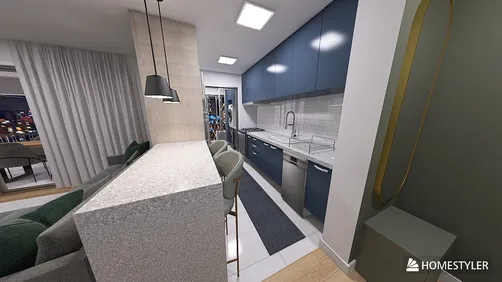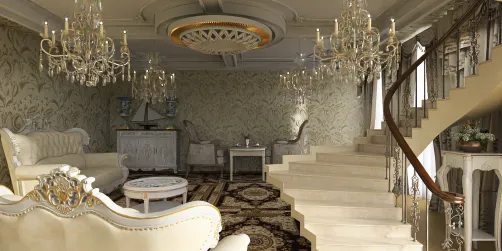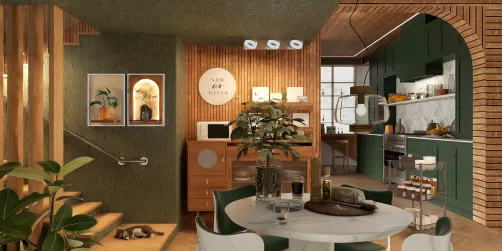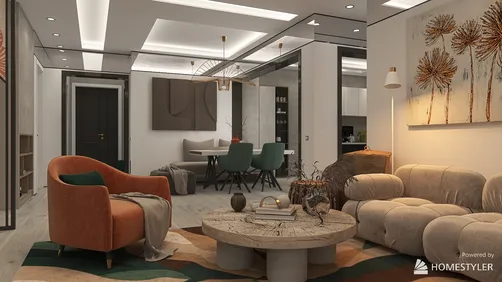



Glass partitions revolutionize spaces by creating versatile environments filled with natural light while maintaining an open feel. I've implemented these partitions to design quiet corners, organize flow, and enhance material aesthetics, all while preserving visual coherence. When designed effectively, these systems integrate sound control, safety glass, and detailed framing—forming areas that are both purposeful and interconnected.
The primary advantage is the abundance of daylight. Research from Gensler highlights that access to natural light ranks as the foremost contributor to employee happiness, positively impacting mood, alertness, and overall performance. The WELL Building Standard (WELL v2) stresses the importance of visual comfort and glare reduction, providing guidelines to help designers achieve appropriate lighting levels and alleviate eye strain in communal walkways. Incorporating glass partitions in corridors facilitates enhanced daylight influx, while patterned or frosted low-iron glass affords necessary privacy.
Noise management also plays a crucial role. Studies by Steelcase pinpoint noise distractions as one of the most significant hurdles to productivity in open-plan spaces, underscoring the necessity of sound control strategies in multi-use hallways. Using laminated glass with sound-proofing interlayers, paired with perimeter seals and soft finishes (like carpet or wall panels), can drastically reduce noise transmission. In residential contexts, a 10.8 mm laminated panel with sound transmission class (STC) ratings in the low 30s suffices; for office settings, consider employing double-glazed systems and tightly sealed frames for better performance.
Essential Design Guidelines for Hall Glass Partitions
• Uphold sightlines: Utilized clear or low-iron glass, enhancing the perception of space in narrow corridors. Opt for translucent or gradient films where privacy is essential but transparency is desired.
• Harmonize transparency and reflection: Matte finishes, satin etching, or light-diffusing interlayers diminish glare without compromising luminosity. Ensure alignment with ceiling and floor finishes to avoid bright spots.
• Incorporate human-scale design: Interrupt lengthy runs with vertical mullion patterns (900–1200 mm) to create a rhythm that mitigates a monolithic appearance. Consider integrating niches, signage, or plant pockets at intervals for humanizing effects in circulating spaces.
• Prioritize safe circulation: In bustling corridors, it is critical to use tempered or laminated safety glass. Incorporate edge protection, kick plates, and clear contrast bands to minimize collision risks.
Varieties of Glass Partition Designs for Halls
• Framed grid styles (industrial or slim): Frames in steel or aluminum not only provide structure but also obscure seals while allowing for a mix of panel types (clear, reeded, frosted). These are ideal for both heritage and contemporary environments.
• Frameless full-height: Minimalistic hardware results in a floor-to-ceiling aesthetic. Utilize precise levelling, soft-close mechanism, and premium channels to achieve clean lines.
• Sliding glass systems: An excellent choice for confined spaces. Opt for top-hung tracks to keep thresholds level for enhanced accessibility.
• Pivot and swing doors: Perfect for impressive entries, oversized pivot doors with dampers facilitate fluid motion; strategize pivot placements to reduce pinch points.
• Curved glass: This design style softens straight corridors and enhances traffic flow around corners. Coordinate with radius ceiling designs to prevent awkward junctions.
• Patterned or reeded glass: Provides texture and privacy, diffusing light to hide clutter while keeping the hallway bright and inviting.
Illumination, Glare, and Visual Comfort
A well-planned lighting scheme is crucial in reflective environments. It’s necessary to coordinate task and ambient layers for consistency (steering clear of stark contrasts). Integrating ceiling-mounted linear LEDs tuned to warm-neutral white (3000–3500K) fosters a calm ambience for evening settings, while daylight should be tempered with shades to avoid bright reflections on glass. Employing matte frames, low-sheen flooring, and textured wall finishes can significantly mitigate glare. In lengthy corridors, staggered wall washers or indirect cove lights can help eliminate tunnel visions.
Acoustic Strategies Without Compromising Transparency
Laminated acoustic glazing effectively balances sound insulation with openness. Consider integrating:
• Full-perimeter seals and meticulous tolerances at the head and sill.
• Soft absorbing zones opposite the glass (like felt panels, upholstered benches, or acousto-absorptive wood).
• Enhanced door leaf design: Double-glazed doors with seal thresholds or drop-down seals wherever accessible design allows.
In office environments, it’s advisable to position quiet zones and collaboration areas adjacent to the halls, using glass fronts to foster visual connections while the wall structure behind provides sound absorption and separation. This strategy balances spontaneous interactions with the need for focused work.
Color, Material, and Atmosphere
Understanding color psychology can indeed enhance the circulation experience. Neutral palettes with warm undertones cultivate comfort, while accent banding or art serves as navigation cues. Glass partitions can feature subtle hues through interlayers or films—such as sage, smoke, or light bronze—to soften glare and harmonize with wooden or stone elements. For frames, opt for powder-coated aluminum in muted graphite or warm taupe to achieve a refined aesthetic without harsh contrast. Metal finishes on handrails, kick plates, and door pulls can resist fingerprints while grounding the overall design.
Safety, Regulations, and Accessibility
• Employ tempered or laminated safety glass; laminated glass is preferred for its retention and sound insulation properties.
• Clearly mark glazed doors with contrast bands at eye level to avert collisions.
• Ensure compliance with local regulations regarding clear widths; sliding systems can be effective in conserving space in tight layouts.
• Implement threshold-free designs for accessibility; top-hung sliding implementations reduce tripping hazards.
• Coordinate fire barriers and smoke control; glass can be incorporated with rated frames when regulations necessitate.
Residential Hall Uses
In domestic spaces, glass partitions serve to delineate entryways from living spaces, create boundaries for mudrooms, or establish reading alcoves while allowing daylight to filter through. Reeded or satin-etched panels can conceal storage areas. For instances needing a layout revamp—such as introducing a new family space off the corridor—a comprehensive room layout tool, such as Homestyler, can assist in visualizing circulation and sightlines prior to finalizing any installation.
room layout tool
Workplace and Hospitality Hall Uses
In office settings, glass-fronted meeting rooms lining corridors enhance transparency without causing distractions to those passing. Hospitality venues reap advantages from textured or tinted glass solutions that guide movement from the lobby to amenities, often featuring integrated signage and lighting channels. In healthcare facilities, consider employing privacy films with varying opacities along with hardware designed to reduce ligature risks when necessary.
Ergonomics and Human Considerations
The height and grip of door hardware, along with the push/pull forces, should accommodate a diverse user base. Handles featuring a 30–40 mm diameter grip are optimal for most users. Visual indications—such as contrasting trims and edge lighting—aid navigation for those with impaired vision. Ensure intuitive wayfinding with consistent mullion patterns and uninterrupted sightlines to exits and elevators.
Sustainability and Upkeep
Opt for aluminum frames containing recycled materials and low-VOC sealants. Utilizing modular glass systems encourages reconfiguration, minimizing waste during renovations. Choose coatings that prevent fingerprints and scratches; it’s advisable to establish a cleaning regimen using non-abrasive agents and soft cloths to maintain the integrity of films and interlayers. In sunny walkways, consider applying spectrally selective glazing to decrease heat absorption while allowing ample visible light.
Practical Sizing, Proportions, and Detail Work
• Proportions: Full-height panels elongate spaces; transoms can be aligned with door headers for a unified datum line.
• Mullion width: A measurement of 25–40 mm conveys a refined yet substantial feel appropriate for most hallways.
• Clearances: Maintain awareness of door swing trajectories, egress standards, and wheelchair/stroller turning radii within intersections.
• Junction styles: Implement shadow gaps where glass connects with walls or ceilings to preserve crisp lines and accommodate movement.
• Integration: Consider recessing blinds or films for customizable privacy in multi-use corridors.
Cost and Value Factors
Frameless systems offer aesthetic purity while demanding higher precision and installation expenses; framed grids present flexibility and simpler maintenance options. Acoustic laminated glass and select patterns increase costs but may enhance functional performance. Prioritize budget allocation towards safety glazing and sound control first, followed by aesthetic upgrades that embody the project’s visual identity.
FAQ
Q1: Which glass type is the safest for high-traffic corridors?
A1: Laminated safety glass is the preferred choice as it retains shards if broken and enhances acoustic performance. While tempered glass is sturdy, it breaks into small pieces; laminated glass incorporates an inner layer to hold the pieces together.
Q2: How can I manage glare in long stretches of glass?
A2: Implement satin-etched or fritted patterns, matte frames, and balanced lighting conditions. Adjust daylight exposure with shades and select floor finishes with lower gloss to prevent reflective glare.
Q3: Are glass partitions capable of offering privacy without compromising the open feel of corridors?
A3: Certainly—patterns like reeded or frosted designs, along with gradient films, provide privacy while dispersing light. Partial-height opacity zones safeguard sightlines at average eye level while keeping upper regions clear to enhance openness.
Q4: Which acoustic rating should I aim for?
A4: In residential environments, laminated glass achieving an STC near the low 30s generally suffices. Offices generally benefit from increased isolation achieved with double-glazed modules and sealed frames to mitigate conversation disruptions.
Q5: Is it feasible to install sliding glass doors in narrow corridors?
A5: They are ideal for situations with restricted swing space. It’s best to select top-hung systems for flush thresholds and incorporate soft-close mechanisms to minimize noise and impact.
Q6: How do glass partitions influence energy efficiency?
A6: Spectrally selective glazing allows visible light to enter while decreasing solar heat gain. This is particularly beneficial in climate-controlled environments, allowing comfort without the need for bulky window treatments, especially in brightly lit corridors.
Q7: What materials are most effective for framing?
A7: Powder-coated aluminum is sturdy, lightweight, and recyclable, whereas steel frames lend themselves well to industrial styles and high-use applications. Adding wood cladding can create a warm, inviting aesthetic when matched with metal structural elements.
Q8: What measures should be taken to ensure accessibility?
A8: Implement threshold-free transitions, ensure appropriate widths, and opt for door hardware with comfortable grip diameters. Contrast bands on glass assist users with low vision, while consistent signage improves navigational ease.
Q9: Do curved glass partitions facilitate better circulation?
A9: Yes, they make movement smoother and reduce the likelihood of collisions at corners. Curved panels also provide more consistent light reflections, enhancing visual comfort in tight spaces.
Q10: What maintenance practices help keep glass looking pristine?
A10: Employ non-abrasive cleaners along with microfiber cloths. For patterned or coated glass, steer clear of ammonia-based solutions that can degrade the surfaces; regular checks on seals and hardware are recommended.
Q11: Can glass partitions enhance branding or wayfinding efforts?
A11: Absolutely—subtle films, frit patterns, or integrated signage can be applied within the grid of mullions. Implementation of edge lighting can delineate pathways without cluttering the corridor aesthetics.
Q12: How do I strike a balance between transparency and soundproofing in office environments?
A12: Join laminated glass with well-sealed perimeters and soft finishes opposite the glazing. Position closed rooms featuring sound-absorptive backgrounds to minimize transmission while maintaining visual transparency.
What began as an Autodesk innovation has evolved into a design platform used by more than 20+ million registered users (platform data, 2026) around the globe. Homestyler combines powerful rendering, an intuitive editor, and a vast furniture library to help you turn inspiration into photorealistic designs — whether you're redesigning a single room or planning an entire home.
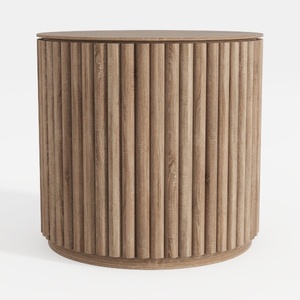
Minimalist Fluted Solid Wood Round Side Table 3D Model

Minimalist Solid Oak Round Dining Table 3D Model
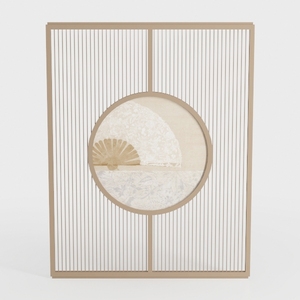
Minimalist Japandi Solid Wood Decorative Room Divider Screen 3D Model
Homestyler is your go-to online home design platform. With its user-friendly design tool, stunning 3D renderings, extensive design projects, and helpful video tutorials, it's easy to transform your home vision into reality—no prior experience needed!
Design Now for FREE






![Design [4]](https://hs-designs.homestyler.com/production/design/images/07c2de3a-88ec-4be8-8910-ff255b795bc2/1731419398293/7841697.jpg?x-oss-process=image/resize,w_502,m_mfit/format,webp)