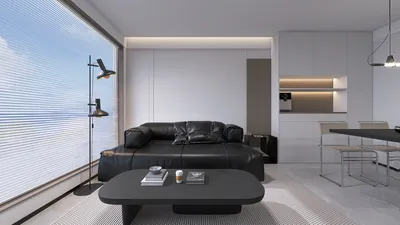


Geometric wooden wall art captures my admiration due to its sleek lines and appealing texture, effortlessly grounding a room without making it feel cluttered. Beyond the satisfaction of craftsmanship, a well-designed piece can enhance visual balance on a wall and lead the eye through a space. When executed properly, the outcome exudes a sense of personalization and timelessness, making it a perfect addition to any interior, especially when utilized with tools like Homestyler for spatial planning.
Understanding scale and proportion isn't a matter of chance. Research in both work and home environments indicates that artworks respecting human visual fields and task areas minimize distractions and enhance comfort. Steelcase studies reveal that visual complexity can affect cognitive load perception; therefore, simplified, well-ordered designs promote focus and relaxation. Furthermore, WELL v2 guidelines stress the importance of managing glare and maintaining visual comfort, reminding us that the way art interacts with typical indoor light is significant.
Colors evoke distinct psychological responses. As highlighted by Verywell Mind’s insights, blue shades foster tranquility and concentration, green hues signal rejuvenation, while warm colors like terracotta inject energy. In my approach to crafting geometric designs, I typically select calming base tones and allocate vibrant accents for focal points, ensuring a rhythmic visual flow without overcrowding the piece.
Organizing Your Composition
I begin with the measurements of the wall and the distance from which it will be viewed. In most living rooms, aim for artwork that occupies 60–70% of the width of the furniture below it (for instance, over a 72-inch sofa, a piece 44–50 inches wide would be proportionate). Ensure a consistent margin of approximately 1.5–2 inches to create a sharp frame. Experiment with two to three geometric patterns: choose chevrons for a sense of movement, grids for structure, or asymmetrical triangles to convey energy. Utilizing a room design tool like Homestyler can help visualize how your piece aligns with furniture and traffic flow in the space.
Materials and Tools Needed
Wood: Use hardwood or high-grade plywood (like oak, ash, maple, or walnut) with a thickness ranging from 1/2 to 3/4 inch. Choose straight and dry materials to prevent warping. Backer: 1/2-inch plywood or MDF cut to size. Frame: 1x2 or 1x3 hardwood for a neat shadow gap. Adhesives and fasteners include wood glue (PVA), 23-gauge pins, or brad nails. Finishing options consist of water-based polyurethane for minimal VOC emissions; stains or pre-mixed dyes can also be applied. Essential tools would be a miter saw, table saw (if available), track saw or circular saw with a guide, square, measuring tape, clamps, sanding blocks or an orbital sander, painter’s tape, and a good quality brush or foam applicator.
Design Ratios and Creating Visual Rhythm
Geometric art excels through the application of consistent ratios. Start by selecting a fundamental module—for instance, strips 2 inches wide—and establish a rhythm based on sequences like 1:2:3 for widths or repeating specific angles for clarity. To maintain legibility, I aim to use no more than three dominant directions. Guide the viewer's gaze by running key lines in desired directions: horizontal for tranquility, diagonals for dynamism. A checkerboard pattern of light and dark pieces ensures no section appears disproportionately heavy.
Build Process Step-by-Step
Begin by cutting the backer panel to your final dimensions, lightly bevel the edges for a polished appearance, and sand them to between 180 and 220 grit.
Cut the face strips to ensure uniform thickness and width. If opting for chevrons, produce equal-length segments and miter cut at 45°. For triangular designs, create longer stock and trim as necessary during layout.
On the backer, mark chalk lines for axes and margins. Perform a dry fit of the first quadrant to verify angles and spacing between modules, adjusting as needed so that intersections align well and negative space appears intentional.
Apply glue to each strip and secure with pins to avoid shifting. Work symmetrically from the center outward to preserve balance. Wipe away excess glue immediately.
Once the face is completely adhered, use a flush-trim router bit or fine pull saw to refine the edges. Sand all surfaces to 220 grit for a smooth finish.
Pre-condition softwoods to minimize blotching. Apply stain in thin coats, always working along the grain. For multi-toned artworks, mask with high-tack painter’s tape and remove it at a 45° angle while the finish is slightly wet to avoid ridges. Seal the piece with two to three coats of water-based polyurethane for a durable, low-odor finish.
Color Strategy
Establish a color palette anchored around 2-3 primary hues with a single accent. Neutral tones (such as charcoal, ash, or fog) should make the piece versatile, while a subdued blue or green can ground the overall composition. Warm accents such as rust or honey create a beautiful contrast with oak. Given blue's association with calm and focus alongside green’s restorative qualities (per Verywell Mind’s findings), I strategically use these colors in areas where the viewer's gaze is naturally drawn—often across horizontal lines.
Lighting, Glare, and Texture
According to IES lighting recommendations, standard residential ambient lighting falls between 100 to 300 lux. To avoid glare that disrupts visual patterns, utilize matte finishes. If your wall features direct lighting, consider light-splitting textures such as sawn surfaces or wire-brushed strips; these create micro-shadows and enhance depth without increasing reflectance. Limit high-gloss sections to no more than 10–15% of the surface for optimal clarity.
Mounting and Ergonomics
Install with a French cleat for both stability and ease of leveling. Position your art so that its center is around 57 to 60 inches off the floor—this is a standard gallery height aligning with average eye levels. When placing pieces above furniture, maintain a gap of 6 to 8 inches to avoid clutter and ensure surfaces are usable. For multi-panel displays, leave at least 2 inches of space between panels for visual breathing room.
Sustainability and Material Selections
Whenever possible, select FSC-certified hardwoods and water-based finishes to minimize VOCs. Offcuts can be recomposed into smaller panels or sample tiles. Avoid tropical hardwoods unless their sourcing can be traced. For coloring needs, alcohol-based dyes provide vibrant hues while preserving the wood grain, enabling the use of lighter species like ash while maintaining depth.
Acoustic Considerations
Textured wooden surfaces can scatter mid-to-high frequency sound, mitigating reflections in hard-surfaced rooms. While a wall sculpture isn't a replacement for dedicated acoustic panels, a sizable geometric artwork can help reduce flutter echo, especially in combination with rugs and upholstered furniture.
Common Issues and Troubleshooting
For gaps at joints: Slightly ease edges with a sanding block to create intentional v-grooves that conceal seasonal movement. To address warping: ensure both faces of the backer are sealed to balance moisture levels. To combat color bleeding: burnish the painter’s tape and apply a thin clear coat along the edge before staining. When dealing with pattern drift: regularly re-establish control lines every 12 to 16 inches and measure modules at various intervals.
Variations to Explore
Try designs such as chevrons with staggered modules for rhythm, nested squares for serene symmetry, or radial triangulations suggesting movement. Adjust the size of modules—narrower near the center and wider at the edges—to create a sense of perspective. Consider adding a shadow gap frame to elevate the piece off the wall by a quarter-inch for a sleek, contemporary touch.
Tip 1: Durable Finishing Techniques
Opt for a satin topcoat to better conceal minor scratches compared to gloss. Lightly sand between coats using 320 grit and use a tack cloth to keep dust at bay. For high-contact areas, consider a hard wax oil that allows for easy repairs and a beautiful sheen.
Tip 2: Safe Workflow Practices
Establish an infeed and outfeed system to prevent long strips from twisting during cuts. Use a miter gauge and stop blocks for consistent module sizes. Always remember to use eye and hearing protection as wood dust can accumulate quickly in small workshops.
Frequently Asked Questions (FAQ)
Q1: How do I determine the appropriate size for my wall?
A: Aim for artwork that is 60–70% the width of the furniture below and position the center around 57–60 inches from the floor to align with average eye levels.
Q2: What types of wood work best for geometric art?
A: Oak, ash, maple, and walnut are reliable options due to their stability and ease of milling. Ash also absorbs dye exceptionally well if you're looking to add color without sacrificing the grain.
Q3: What kind of lighting showcases geometric patterns effectively without causing glare?
A: Aim for ambient lighting between 100-300 lux, complemented by diffused directional accents. Favor matte or satin finishes and keep high-gloss elements limited to small accents.
Q4: How can I ensure joints don’t open due to seasonal changes?
A: Acclimate your wood to the workshop environment, seal both sides of the backer, and use intentional micro v-grooves to camouflage small movements.
Q5: Is it possible to integrate color without overwhelming the geometric pattern?
A: Yes, utilize 2–3 foundational colors along with an accent. Incorporate calming blues and greens strategically, while using warmer accents for energy, maintaining control over saturation levels.
Q6: What is the safest mounting hardware for heavy pieces?
A: Use a French cleat secured to wall studs, ensuring the load rating exceeds your artwork's weight by at least 25% for safety.
Q7: How can I prevent patterns from drifting during assembly?
A: Mark control lines, and begin pinning and gluing from the center outward, checking modules against your base measurement at various points.
Q8: Does geometric wall art improve acoustics?
A: Yes, textured wood elements can scatter sound and lessen flutter echoes slightly. Pairing geometric designs with soft furniture provides a more noticeable effect.
Q9: What finish is most resilient for home spaces?
A: Water-based polyurethane is ideal due to its low odor and durability. For easy repairs, hard wax oil can be a great option.
Q10: How do I plan the layout relative to my room’s furniture?
A: Create scale templates or use an interior layout planner like Homestyler to position your artwork above furniture while considering line of sight.
Discover the power of Homestyler for your home design needs! This user-friendly platform offers a fantastic online design tool, stunning 3D renderings, and a wealth of design projects and DIY video tutorials. Transform your ideas into reality effortlessly and creatively!
Zaprojektuj teraz za darmo
































