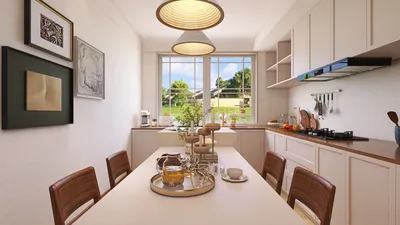


In my extensive experience designing gallery walls for various spaces such as homes, boutique hotels, and creative studios, I've identified several key elements that contribute to their success: a well-defined spatial hierarchy, optimized lighting, and a narrative that unfolds as viewers engage with the space. A gallery wall transcends mere decoration; it is a thoughtfully arranged composition that incorporates balance, negative space, and tactile variation, encouraging viewers to appreciate it repeatedly. Utilizing tools like Homestyler for visual planning can help streamline this process.
Research emphasizes the significance of visual organization. According to Steelcase studies, environments rich in coherent visual cues and well-structured elements help decrease cognitive load and enhance perceived comfort. This directly influences how long individuals remain engaged with the content on display. The WELL v2 standards also advocate for managing glare and optimizing color temperature and illuminance to enhance visual comfort. Particularly for gallery walls, employing targeted lighting ratios minimizes glare while ensuring fine details can be appreciated. I leverage these insights to layer light and space effectively, making the artwork feel intentional rather than congested.
The impact of color selection is often underestimated. An overview from Verywell Mind highlights that warm tones can foster energy and sociability, while cooler hues tend to promote tranquility and concentration. In a gallery setting, warm-neutral walls can enhance intimacy and ensure frame cohesion, while cooler backgrounds can make striking black-and-white photographs stand out. When selecting colors, I consider the overall flow: how transitions between frames, mats, and wall paint can influence behavior—encouraging a slower pace, inviting pauses, and instigating conversations.
Establish a Visual Grid
Begin by creating a grid or rhythm line. A consistent centerline at eye level—approximately 57–60 inches from the floor—serves as a strong anchoring point for the composition. I typically set two horizontal datum lines to ensure that the tops and bottoms of the pieces remain visually aligned while still allowing for varied widths and heights. A commonly effective method is to apply the 60/30/10 ratio: 60% of medium-sized pieces forms the backbone, 30% consists of smaller accents for added cadence, and 10% features outstanding works to serve as focal points.
Mix Frames, Keep Intent
While contrast sparks interest, cohesion promotes a sense of calm. Consider pairing thin metal frames with warm wooden ones to balance tactile sensations; limit the number of finishes to two or three for visual consistency. Ensure that mat borders have similar widths—typically 2–3 inches for smaller pieces and 3–4 inches for larger works—to create a serene breathing space around the art. For optimal placement, using simulation tools such as Homestyler can help visualize spacing and test alignments prior to installation.
Light for Clarity and Mood
Lighting plays a crucial role in transforming a wall of frames into a captivating gallery. Aim for an ambient light level of 200–300 lux in hallways, and layer this with an accent light of 150–250 lux on the artworks, favoring a warmth range of 2700–3000K. For photography, consider using 3000–3500K for added clarity. Keep the Unified Glare Rating (UGR) low to avoid discomfort; position adjustable lighting at a 30° angle to minimize reflections on glass. The Illuminating Engineering Society’s recommendations on accent lighting ratios offer dependable guidance for balancing task and display illumination.
Compose Narratives, Not Just Clusters
Visualize your gallery as a series of chapters: origin, crescendo, and quiet moments. Begin with personal artifacts near entry points, place vibrant contrasts or larger pieces in areas with more space, and conclude with softer textures in spots where viewers naturally pause. I incorporate visual markers—such as unique frames, textile artworks, or shadow boxes—to signal these transitions.
Rhythm Through Spacing
To maintain visual flow, consistent spacing is key. For mid-size frames (12×16 to 18×24 inches), aim for 1.5–2 inches between pieces for an orderly appearance that still feels relaxed; larger artworks benefit from 2–3 inches. Ensure you respect negative space around doorways and corners—maintaining at least 6–8 inches—to allow the composition to breathe. When planning layouts that navigate turns, using an interior layout planner ensures that visual alignment is maintained and sightlines remain coherent.
Materiality and Sustainability
The longevity of gallery walls often hinges on the quality of materials chosen. Opt for hardwood frames sourced from FSC-certified providers and acid-free, lignin-free mats to promote print preservation. Non-glare museum acrylic is ideal for reducing reflections and filtering UV light without introducing the green tint seen in some glass types. Incorporating reclaimed wood adds both warmth and a narrative component; when paired with brushed brass, it can create a balanced aesthetic. Making sustainable choices is not just ethically sound; it also contributes to the longevity of your collection.
Color Stories and Contrast
Craft a color palette with intention. Black frames can help unify diverse collections, while white frames lift colors and provide lightness to busy walls; walnut frames add depth to monochromatic photography. If the wall color is warm (for example, a soft taupe), consider introducing cooler matting to create a pleasing contrast. For vibrant artworks, opt for subtle frames; conversely, minimalistic art can benefit from tonal frames to enhance dimensionality. Understanding color psychology can significantly aid in achieving the right balance between stimulation and serenity.
Human Factors: Height, Reach, Flow
Gallery corridors are designed for movement, and your gallery should accommodate this flow. Minimize protrusions and ensure that frames are flush-mounted to avoid snags. For households with children, consider lowering secondary datum lines to 48–52 inches to facilitate accessible viewing. In busy areas, opt for rounded or beveled frames to minimize risks associated with fragile glass corners.
Acoustic Comfort and Texture
Gallery walls can amplify acoustics when every surface is reflective. To absorb mid-to-high frequencies, integrate fabric-covered frames, textile art, or cork-backed panels. Nearby soft runners and upholstered benches can dissipate echoes, fostering a conducive environment for lingering and conversation.
Curating Content
Combine various mediums—such as photography, line art, postcards, textiles, and small sculptural reliefs—to keep the viewer's curiosity piqued. Avoid excessively coordinated themes; the best galleries exude a sense of personal collection, not commercial acquisition. I recommend maintaining a balanced ratio of personal works to found pieces, while also introducing a wildcard that breaks traditional expectations.
Installation Strategy
Before finalizing the setup, consider using kraft paper cutouts or painter's tape to visualize the layout. Mark the centerline and start with anchor pieces. Utilize a laser level to maintain accurate datum lines. If the wall isn’t perfectly plumb, focus on visual balance rather than conforming to the building's structural quirks. Interior layout planners are valuable tools for previewing these relationships, saving time on-site.
Maintenance and Longevity
Regularly rotating artworks can rejuvenate the narrative and prevent damage from prolonged light exposure. Dust gently with microfiber cloths and refrain from using ammonia-based cleaners on acrylic surfaces. Keep a log of positions and hanging hardware to ensure reconfigurations are straightforward. Employ secure hooks and safety cables to protect artworks from children or pets.
Design Details I Keep Returning To
- Utilizing two consistent finishes across the wall fosters a sense of calm cohesion
- Placing one large anchor piece slightly off-center creates dynamic visual balance
- Incorporating shadow boxes for artifacts (like tickets or textiles) adds an appealing depth
- Printing serif labels on textured paper imparts a sophisticated museum-like tone
- Introducing slight asymmetry within a controlled grid adds a human touch
Current Steelcase workplace research underscores the benefits of coherent visual systems in reducing cognitive load and enhancing perceived comfort levels. Guidelines from WELL v2 regarding lighting and glare address the readability of art and viewer comfort, and these principles should inform your calibration of illuminance and color temperature. For more precise standards regarding illumination ratios and glare mitigation, refer to resources from IES.
FAQ
Q1: What is the ideal height to hang frames in a hallway gallery?
A: Aim to position the center of primary pieces approximately 57–60 inches above the floor. In taller spaces or stair landings, consider raising the height to 62–64 inches to ensure balanced visibility.
Q2: How much spacing should I leave between frames?
A: For medium frames, spacing of 1.5–2 inches promotes a clean look, while 2–3 inches for larger pieces helps avoid overcrowding. Maintain spacious margins near corners and switches.
Q3: Which color temperature works best for gallery lighting?
A: Opt for a color temperature of 2700–3000K for warm, inviting settings, while 3000–3500K enhances the detail in black-and-white pieces. Position lighting at a 30° angle to reduce glare.
Q4: How do I choose frames for mixed media?
A: Limit the number of finishes to two or three, repeating these across different mediums. Combining thin black metal frames for photographs with warm wooden frames for prints creates a cohesive look without chaos.
Q5: What layout approach keeps a gallery wall cohesive?
A: Start with a visual grid and one prominent anchor piece, ensuring a steady centerline and consistent mat widths. This creates rhythm, allowing smaller pieces to introduce variety.
Q6: How do I prevent glare on glass frames?
A: Consider using museum-grade acrylic or low-iron glass. Ensure lights are angled at 30° and monitor ambient reflections; IES offers guidance on maintaining proper luminance ratios to avoid glare.
Q7: Are there sustainability considerations for frames and mats?
A: Opt for FSC-certified wood, acid-free mats, and UV-filtering glazing. Using reclaimed wood not only adds character but also reduces environmental impact.
Q8: What’s the best way to plan layouts before drilling?
A: Experiment with layout configurations using paper cutouts or a room design visualization tool; this allows for testing spacing and alignments, making the installation process smooth.
Q9: How can I make a long hallway feel less monotonous?
A: Create chapters within the space—groupings that vary in scale and texture every few feet. Introducing sculptural elements or textile panels can serve as effective punctuation.
Q10: How often should I rotate artworks?
A: A seasonal rotation is ideal; it refreshes the displayed narrative while minimizing prolonged light exposure. Keeping a simple inventory will streamline swaps.

Discover the power of Homestyler for your home design needs! With its easy-to-use online design tool, stunning 3D renderings, and inspiring DIY video tutorials, you can effortlessly transform your space into your dream home. Start your design journey today!
Design Now for FREE
































