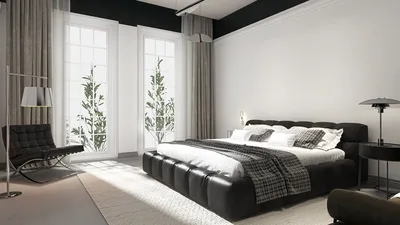


The future continues to knock on our doors, and sometimes it even hitsched to our vehicles. As remote working becomes normal, my clients are taking their homes on the road, dealing with challenges like storage limitations, awkward extensions, and sound transmission. According to a recent NAHB trend report, younger homeowners are favoring adaptable layouts over mere square footage, and this trend is echoed in fifth wheel floor plans. I view these setups as preliminary blueprints for a nomadic lifestyle, designed for connectivity, tranquility, and quick adjustments—similar to a spatial toolkit wrapped in a mobile structure. Incorporating tools like Homestyler can significantly enhance the design process, making it more accessible for all users.
Front Suite + Mid Living + Rear Flex Bay
Design Concept: Positioning the bedroom above the hitch improves stability, centralizing social areas, and allowing for a versatile rear space that can transform into an office, storage area, or sleeping quarters. The future of travel demands a structural design that adapts to daily needs.
Flow: The entrance is designed for smooth circulation; the pathway guides you from a mudroom to the kitchen, lounge, and finally to the flex bay; a private staircase leads up to the bedroom suite.
Sightlines: Large panoramic windows in the lounge serve as the primary interface with the outside; the semi-enclosed pantry provides privacy without sacrificing natural light; the rear bay offers a secondary view for focused work periods.
Storage: A pass-through basement acts as an additional storage layer; the bedroom features deep wardrobes; overhead compartments are designed to fit standard bin sizes; flex bay walls can be fitted with modular pegboards for optimal organization.
Furniture Arrangement: A 68-72 inch sofa slide provides ample seating, while 24-inch walkways ensure ease of movement; the dinette can compact down to 30x44 inches; a desk along the rear wall accommodates a 48-inch surface without blocking exits.
Conclusion: A comfortable sleep area paired with a customizable flex bay area sets this design apart. In five years, this adaptable space will distinguish between merely having extra gear and creating a fully functional mobile studio.
save pin
Rear Kitchen + Mid Lounge + Front Bath-Suite
Design Concept: The cooking area is stationed at the back to manage heat and odors away from the sleeping quarters, while the bathroom acts as a buffer to ensure a serene living space. The road life of tomorrow will prioritize sensory zoning as much as square footage.
Flow: Docking at the mid entrance allows easy unloading to the rear kitchen, serving to the central lounge, then stepping up to the bathroom and suite—creating an effective path from productivity to relaxation.
Sightlines: The rear window presents a chef's view; a low hutch maintains unobstructed views across the lounge, while the stair landing introduces a serene matte-finished bathroom entry, regulating the space's tempo.
Storage: Features 10 feet of base cabinets with 18-inch deep pantry pullouts for efficient organization; there's a linen niche next to the bathroom and shoe cubbies situated under the stairs.
Furniture Arrangement: A spacious 30-inch aisle is maintained even with slides, with a queen bed promoting 60x80-inch space on two sides; swivel chairs tuck away neatly to ensure travel safety.
Conclusion: For clients who love to cook while enjoying scenic views, this floor plan ensures comfort and resilience against fatigue, maximizing efficiency with cooking in the back, lounge in the center, and sleep zones tucked away.
save pin
Toy-Hauler Studio: Garage + Convertible Loft + Compact Front Bed
Design Concept: The garage becomes a functioning space for production—whether for bikes, tools, or a foldable studio—while a lofted lounge area fosters social interactions above. Nomadic creators require a design that organizes both gear and content without chaos.
Flow: The ramp serves as an entry point; gear is rolled in and secured through a tie-down grid, washed, and then steps up to the lofted lounge area, leading to a compact corridor for the front bed to facilitate quick transitions.
Sightlines: A translucent garage door allows light to permeate softly; the loft railing provides clear visibility; small windows by the bed present a calming view, reducing distractions.
Storage: E-track walls function as adjustable storage; a ceiling net keeps soft goods in check; under-loft drawers provide efficient hot storage; forward pass-throughs serve as cold storage solutions.
Furniture Arrangement: The garage boasts a 96-inch width to accommodate various gear; a Murphy sofa system fits within 72 inches; the front bed has a footprint of 60x75 inches, ensuring sufficient side access.
Conclusion: This setup serves as an essential hub for creators to transport, prepare, and rest. In five years, it will remain relevant by integrating new materials without necessitating a complete redesign.
save pin
Final Thoughts
Creating a fifth wheel floor plan is less about establishing traditional rooms and more about building a mobile interface that can adapt daily. Varied configurations like RV suite layouts and toy-hauler studio setups demonstrate that precision and functionality outstrip mere size, especially when travel is involved. The emerging standard requires portable storage solutions and expandable lounge areas that operate like modular components. In my experience, the most innovative homes of the future won't necessarily be larger—they will be designed with intention, and I continue to build towards that vision incorporating tools such as Homestyler to enhance the process.
Looking to transform your space with ease? Homestyler offers a fantastic online home design tool, allowing you to create stunning interiors with its impressive 3D rendering features. Explore a vast library of design projects and enhance your skills with helpful DIY video tutorials. Start your design journey today!
Zaprojektuj teraz za darmo
































