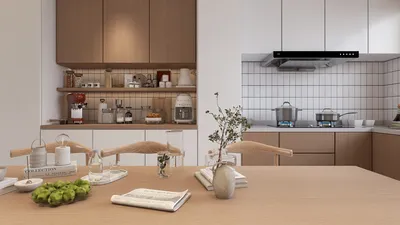


As we look toward the future of hotel design, the challenges of today's guest experiences—such as congestion, confusion, and fragmented processes—remain prevalent. Recent AIA project data indicates that renovations in the hospitality sector are focusing more on enhancing circulation clarity and flexible amenities rather than merely expanding space. My approach involves creating a ground floor plan for a five-star hotel using software tools like Homestyler, aiming to ensure that the transition from arrival to memorable experience is fluid and intuitive.
Central Arrival Corridor
Design Principle: The key concept of a central arrival corridor—connecting valet, lobby, and lounge—functions as a centralized hub, effectively managing inputs and minimizing wait times. Future designs will need to feature clear hierarchies that can handle peak visitor traffic gracefully.
Guest Pathway: From entry to the front desk, on to the concierge, through lounge areas and elevator access; this simple pathway directs both guests and staff seamlessly, ensuring everyone knows their destination.
Visual Orientation: Long, straight sightlines assist in guest orientation while offering glimpses of art installations and bar areas provide additional layers of engagement, encouraging exploration without overwhelming distractions.
Storage Solutions: Convenience is key with luggage niches and behind-the-scenes storage located near the lobby, allowing for quick access during busy check-in periods.
Furniture Arrangement: Sofas act as welcoming boundaries, café tables serve as informal gathering spots, and reception counters adhere to ADA standards—every detail contributes to the overall interaction experience.
Conclusion: This arrival corridor is designed to endure: it adapts to various events, streamlines guest movement, and ensures that the initial moments of arrival are purposeful rather than chaotic.
keep a pin
Amenity Engagement Loop
Design Principle: Dining options, bars, and retail spaces encircle the lobby in a modular design, allowing for flexible service that adapts to the time of day while maximizing revenue without overlap.
Guest Pathway: Lobby hub to bar area, transitioning to casual dining and then to retail spaces followed by access to garden terraces; this loop facilitates guest movement, preventing aimless wandering.
Visual Orientation: Clear partitions display essential information—like menus and bottle inventories—ensuring the guest interface is easy to interpret at a glance.
Storage Solutions: Functional areas like under-bar refrigeration and service islands create strategically placed stores to optimize staff workflow and maintain efficiency.
Furniture Arrangement: Banquettes align seamlessly with structural columns, while titling tables optimize accessibility; host stands function at decision points, akin to digital routers.
Conclusion: This engagement loop establishes a clear behavioral pattern: guests meander, linger, and make choices with ease, creating a hospitality experience designed for the future.
keep a pin
Back-of-House as a Seamless Network
Design Principle: Service corridors operate parallel to guest areas, functioning as an efficient network for transporting goods, laundry, and staff while remaining out of sight.
Guest Pathway: Loading dock to receiving areas, leading to kitchen and utility hubs, then utilizing service elevators and housekeeping routes; this clear division prevents congestion with guest movement.
Visual Orientation: Careful design maintains a peaceful guest interface, while selective windows allow for managerial observation without intruding on the guest experience.
Storage Solutions: Walk-in coolers, dry storage, and linen spaces are strategically located near high-demand areas to minimize unnecessary travel times for staff.
Furniture Arrangement: Kitchen layouts and shelving that adhere to efficient workflows—considering reach distances, turning spaces, and hygienic zones are essential.
Conclusion: This unobtrusive network ensures that operations run smoothly; when everything functions harmoniously, the lobby atmosphere enhances, and service becomes instinctive.
keep a pin
Final Insights
Designing a five-star hotel ground floor plan using Homestyler is about more than just architectural drawings; it's about creating a thoughtful interface for movement, memory, and service. The variations—from opulent lobby designs to amenity loops—illustrate that clarity is the ultimate luxury. In the coming decade, hotels that prioritize flow management and optimize storage solutions will thrive, reducing friction during guest experiences. In my view, the most effective hotel designs aren't necessarily large or loud; they are simply intentional and efficient.
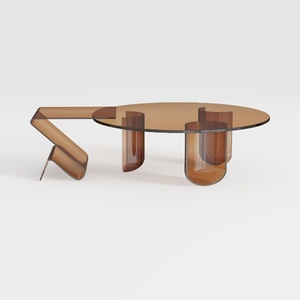
Round Coffee Table Modern Glass Coffee Table with

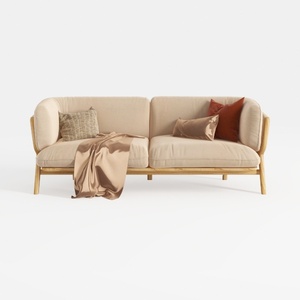

Tennozu Linen Fabric Loveseat Sofa, Convertible Fu
Homestyler is your go-to online home design platform! With an easy-to-use design tool, stunning 3D renderings, and a treasure trove of DIY video tutorials, transforming your home has never been more enjoyable. Unleash your creativity and bring your design visions to life effortlessly!
Дизайн сейчас бесплатно
































