

Incorporating home fragrance into your design strategy is essential; it's not simply an accessory. I regard Ambi Pur automatic room fresheners similarly to how I approach lighting or sound: their dosage, positioning, and compatibility with human behavior are crucial. A 2023 Steelcase survey revealed that 41% of employees consider the overall sensory experience—air quality included—as vital to their comfort and efficiency. This highlights the importance of integrating fragrance into the comfort dialogue alongside lighting and acoustics. The WELL v2 standard also underscores the significance of managing air quality and pollutants, urging us to view fragrance as a component to harmonize with fresh air instead of merely concealing unpleasant odors.
Fragrance has an impact on our mood and perception, but maintaining balance is key. According to Verywell Mind, scents like lavender evoke calmness while citrus scents are energizing. My observations confirm this: invigorating top notes are perfect for kitchens and entryways, whereas gentler floral or woody tones suit bedrooms and lounges. Extensive research from Herman Miller links multisensory comfort with lower stress levels and increased task persistence. Thus, combining fragrance with proper ventilation and cleaning routines can establish a refreshing atmosphere rather than masking unpleasant odors. When deploying any automatic dispensers, it’s prudent to start at the lowest setting and gradually increase as needed.
Understanding How Automatic Fresheners Operate—and Their Impact on Your Space
Most automatic dispensers release a fine mist at predetermined intervals. The overall experience depends on three factors: the concentration of the refill, the timing of the intervals, and the size of the room. For example, a small restroom may need the lowest interval, while a busy mudroom can handle a slightly higher setting. Think of it like balancing task and ambient lighting: apply the gentlest touch to ensure consistent background freshness while avoiding intense ‘hot spots’ near seating areas.
Choosing the Ideal Scent Family
Selecting the right fragrance is as much about ergonomics as it is about psychology. In shared living spaces, bright citrus-herbal combinations can refresh the air and counteract cooking smells, while bedrooms benefit from mellow wood, chamomile, or lavender scents that promote relaxation without stimulating alertness at night. Brighter notes can work well in entryways due to short linger times. When selecting a scent for shared spaces, I recommend running a two-week trial with a neutral fragrance like soft linen or green tea, observing reactions before opting for stronger options.
Effective Placement Guidelines
When positioning dispensers, aim for a height of 6-7 feet (1.8-2.1 meters) if possible, directing them away from faces and food prep areas. Keep them at least 6 feet from cribs or pet zones, and avoid locations over heat sources or air returns, as turbulence can lead to uneven scent distribution and accelerated refill depletion. Consider placing two low-intensity units at opposite corners in open-plan spaces rather than one high-intensity unit for smoother coverage. For visualizing the impact of placement on seating arrangements and airflow, a room layout tool like Homestyler can be handy.
Integrating Ventilation with Light and Cleaning
It's crucial to remember that automatic fresheners should not replace good ventilation practices. The WELL v2 framework stresses the importance of proper filtration and pollution source control—regularly empty trash, wash fabrics, and ventilate when possible. In the evenings, harmonize fragrance with warm, dim lighting (2700–3000K) to create a relaxing ambiance; keep glare minimal to enhance a serene atmosphere. During the day, opt for 3500–4000K task lighting in kitchens or home offices to complement bright, citrus scents without creating sensory conflict.
Timing Strategies According to Room Function
- Entryway and mudroom: set for brief bursts every 20-30 minutes on a low intensity. The key is creating a welcoming first impression without overwhelming guests.
- Living room: maintain a low setting every 30-45 minutes; increase slightly prior to guest arrivals, then revert to baseline afterward.
- Kitchen (post-cooking): utilize a medium setting temporarily for 1-2 hours, then switch back to low. Always prioritize exhaust systems first.
- Bedroom: a low setting with the longest interval is advisable; deactivate at least 30 minutes before sleep if users are sensitive.
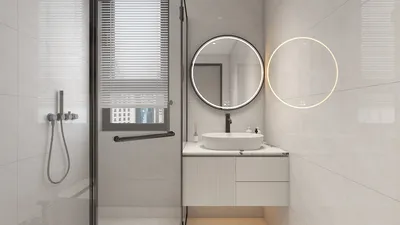
- Bathroom: use low or medium settings based on room size and exhaust efficiency.
Considerations for Materials and Surfaces
Avoid directing sprays at absorbent fabrics (like silk or wool) and untreated wood, which can trap odors and change the scent profile. If valuable finishes or art pieces are nearby, angle the nozzle away and conduct a test in a less visible area first. Regularly clean the device to prevent buildup around the nozzle, which could affect dispersion and lead to localized scent overload.
Addressing Allergies, Sensitivities, and Safety
Introduce new refills gradually, monitoring for reactions. For nurseries and homes of those with asthma, it’s best to place units exclusively in circulation zones outside sleeping areas while prioritizing fragrance-free cleaning methods. Ensure units are out of children's and pets' reach, maintaining a 2-3 foot distance above pet feeding areas. For those susceptible to scents, emphasize odor control and ventilation, and consider employing a hypoallergenic fragrance profile for brief intervals if tolerated.
Acoustic and Behavioral Suitability
Some dispensers generate sounds when activated, which can be distracting in serene environments such as reading rooms or home offices. It's best to position the device in circulation pathways rather than near desks or listening spots, similar to how I would place mini refrigerators or air purifiers away from focal acoustic areas. For devices with light indicators, dim or shield them in bedrooms to uphold circadian rhythms.
Cost, Longevity, and Refill Management
The intervals you set influence the monthly costs significantly more than the device itself does. A conservative schedule can effectively double the lifespan of refills while maintaining a fresh ambiance, especially when combined with regular cleaning and ventilation. I recommend conducting a quarterly review: assess seasonal changes (e.g., winter stuffiness vs. summer humidity), shifts in occupancy, and any new odors introduced by pets or personal projects.
Scent Zoning in Open-Plan Spaces
In open-plan layouts, integrating zoned fragrances can be as beneficial as layered lighting. Utilize fresh-green or citrus scents near the entry and kitchen areas, transitioning to softer wood or floral notes in deeper seating spaces. Ensure transitions are seamless to avoid jolting shifts as individuals move throughout the area. To plan placements effectively, use an interior layout planner like Homestyler to visualize airflow patterns.
Common Issues and Solutions
- Scent too strong near seating: reduce the interval, adjust the angle, or relocate to a circulation area.
- Uneven fragrance distribution in spacious areas: divide it into two low settings rather than one high one.
- Persistent fragrance after the device stops: improve ventilation and wash fabrics; some materials retain scents longer.
- Headaches or discomfort: turn off the dispenser promptly, ensure fresh air circulation, and consider using milder aromas if appropriate.
Frequently Asked Questions
Q1. How do I determine the optimal interval for my Ambi Pur automatic freshener?
A1. Begin with the lowest interval and evaluate the sensory outcome after 48 hours. If odors persist despite comprehensive cleaning and ventilation, slightly increase the interval. Smaller rooms typically require the longest intervals to prevent overwhelming scents.
Q2. What is the ideal placement for a dispenser in a bathroom?
A2. Position the unit 6-7 feet high, away from the shower spray and not directly over the toilet lid to avoid excessive concentration. Ensure it’s out of reach of exhaust currents to prevent immediate scent loss.
Q3. What scent families are most suitable for bedrooms?
A3. Aim for soft woods, lavender blends, and light linen or clean cotton scents. Keep longer intervals, and consider turning it off 30 minutes prior to sleep for sensitive users.
Q4. Can strategically chosen fragrances enhance productivity in a home office?
A4. To some extent, yes—particularly when paired with adequate lighting and ventilation. Scents like citrus and mild herbal tones are perceived as more invigorating. Studies by Steelcase and Herman Miller correlate multisensory comfort with heightened focus, yet it's important to avoid strong fragrances or audible sounds near your work area.
Q5. How can I prevent scent accumulation on fabrics?
A5. Aim the nozzle away from curtains and upholstery, use the lowest feasible interval, and regularly wash throws and cushions. Increase fresh air circulation during and following heavy use.
Q6. Are automatic fresheners safe for homes with pets and children?
A6. Yes—just ensure that units are out of reach, avoid spraying near pet spaces, and monitor for any sensitivities. When in doubt, minimize use in sleeping areas and prioritize good ventilation and source control.
Q7. How can I achieve a balanced scent in an open-concept living room?
A7. Utilize two devices operating at low settings positioned in opposite areas to even out fragrance distribution instead of relying on a single high-setting unit. Use layout simulation tools to envision effective placements.
Q8. How do seasonal changes influence scent settings?
A8. During winter, longer intervals are advisable due to decreased ventilation; spring and summer allow for shorter intervals with open windows. Reassess settings quarterly to match occupancy and cooking patterns.
Q9. Are there guidelines for fragrance in healthy indoor environments?
A9. The WELL v2 standard emphasizes air quality, ventilation, and efficient source control rather than dictating specific fragrance levels. It’s important to treat fragrance as an enhancement to clean air, rather than a substitute.
Q10. Can I mix various refills in different rooms?
A10. Absolutely—design your scents by zone. Maintain harmony by keeping similar fragrance families together (citrus/green near entryways, wood/soft florals in lounges and bedrooms) to ensure smooth transitions between areas and avoid clashing aromas.

Minimalist Fabric Oversized Sofa 3D Model

Minimalist White Fabric L Shaped Sectional Sofa 3D Model

Minimalist Fabric Curved Sofa With Throw Pillow 3D Model
Discover your home design dreams with Homestyler! This user-friendly online platform offers an innovative design tool, stunning 3D renderings, and a wealth of inspiring design projects. Plus, with DIY video tutorials, you'll have everything you need to create your ideal space. Let your creativity shine!
Design Now for FREE
































