


As we move toward a future where housing must meet the evolving demands of family life, many current homes struggle with busy mornings and disjointed routines. In response, I create floor plans for four-bedroom cottages as a blueprint for improved living. Recent statistics indicate that multigenerational households are increasingly common, highlighting the need for better spatial designs to eliminate hassles such as crowded entryways and cramped kitchens. The architecture should function as an adaptive user interface, embracing a spatial reasoning toolkit that assesses usability rather than just square footage. In this context, the four-bedroom cottage becomes a compassionate facilitator for family connections, well-suited for the needs of today and tomorrow, with tools like Homestyler aiding in the planning process.
Courtyard Spine Cottage
Design Logic: The central courtyard operates like a core, allowing natural light and airflow to reach the four surrounding bedrooms. Future designs will prioritize a blend of privacy and communal outdoor spaces to accommodate changing family dynamics.
Flow: The movement through the home follows a sequence starting from the entry leading to a mudroom, then to the kitchen hub, looping into the courtyard and finally, accessing the bedrooms. This circular pathway minimizes congestion during peak times.
Sightlines: With clear views from the kitchen to the courtyard and study, this tiered interface separates tasks by proximity—offering zones for work, play, and relaxation, allowing parents to keep an eye on activities without feeling intrusive.
Storage: The design incorporates deep wall niches throughout the circular flow—seasonal storage near the entry, everyday use trays inside the kitchen, and linen resources by the bedrooms for quick access.
Furniture Fit: The dining table measurement of 36"×84" is harmonized with the spine of the house, while the bedrooms accommodate king or queen-sized beds with ample clearance in corridors and window areas that act as flexible seating.
Verdict: This layout anticipates changes over the next five years—specifically regarding hybrid work environments and aging family members—ensuring that privacy is respected while the courtyard serves as a communal area for the family.
save pin
Split-Gable Family Grid
Design Logic: The dual gables create parallel zones: a lively area for kitchen and living spaces, and a quieter zone housing the primary bedroom and nursery, interconnected by a flexible hallway which can be adapted for future needs.
Flow: The pathway flows from the porch through the living area into the kitchen, then through the flexible hall leading to bedrooms 2 to 4—allowing for traffic rerouting based on time of day, similar to a programmatic decision tree.
Sightlines: The design incorporates diagonal views from the hearth to play areas and the garden, establishing a clear hierarchy that balances tasks, social interactions, and tranquility while minimizing cognitive strain on residents.
Storage: Tiers of storage include under-stair drawers, bench spaces, and attic bays, ensuring easy access to everyday items while the pantry provides ample room for bulk supplies.
Furniture Fit: The layout allows for a 9-foot sofa with sufficient circulation space, twin XL beds in children’s rooms, and a 60-inch round table, creating a stable dining configuration in a compact setting.
Verdict: This adaptable design can accommodate remote education or visiting guests; the emphasis on flexibility over mere size ensures the plan can evolve with family needs.
save pin
Rear-Load Cottage with Studio Wing
Design Logic: The rear-load entry separates outdoor vehicle activities from the welcoming front porch, while a compact studio wing can evolve into a home office or caregiver suite, adapting to changing requirements over time.
Flow: This layout features a car court leading into a mud lab, followed by the kitchen core, studio wing, and sleeping areas, resulting in efficient task transitions.
Sightlines: A long view from the front room to the garden fosters tranquility, while side glances to the studio maintain awareness without creating distractions, akin to unobtrusive notifications.
Storage: The design utilizes ceiling-height wardrobes, grids in the mud lab, and wall rails in the garage to form a systematic storage hierarchy for quick retrieval and deep storage solutions.
Furniture Fit: The studio accommodates a 72-inch desk with a fold-down guest bed, while the primary suite is scaled for a king bed alongside 36-inch passageways; children's rooms can fit modular bunk bed configurations.
Verdict: Over the years, the studio wing can transition between serving as an office, guest space, or wellness area, while maintaining an efficient rhythm that enhances daily living.
save pin
## Final Takeaway
The design of four-bedroom cottage floor plans transcends mere architecture; they act as user interfaces that fine-tune family dynamics to accommodate modern needs—balancing work, caregiving, and leisurely weekends. With terms like 'multigenerational layouts' and 'country home plans,' the future of living spaces demands adaptable designs equipped for evolving demands. Today’s smart homes, enriched by resources such as Homestyler, are not necessarily larger, but rather more purposeful in their configuration.

Modern Dining Chair, Upholstered Dining Room Chair
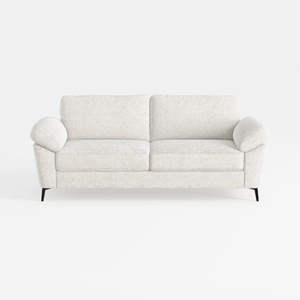
sofa_843927-101 Stories

MICHAEL AMINI Canberra Chenille Sofa - Mink/Light
Discover the ease of home design with Homestyler! This user-friendly platform features an innovative online design tool, stunning 3D rendering, and a wealth of design projects. Plus, the DIY video tutorials inspire creativity and help you turn your dream space into reality effortlessly!
Zaprojektuj teraz za darmo
































