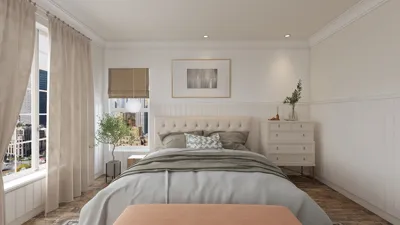


One memorable moment was when a homeowner requested a "soft grey that feels like a warm embrace" — neither chilly nor beige, just inviting. We experimented with warm greige shades and blue-tinted greys until an insight emerged: a light grey with a warm undertone can evoke the sensation of soft linen bathed in morning sunlight. This subtle trial emphasized that choosing light grey paint hinges more on undertones and lighting conditions than the label "grey" itself.
Warm Greige: Inviting Neutral Tones
For compact dwellings, I frequently recommend warm greige — essentially a light grey carrying subtle beige hues — as it imparts warmth without edging into taupe territory. This shade makes a space instantly welcoming and complements wooden furniture effortlessly. However, in north-facing rooms, it’s vital to check paint samples at various times to avoid a dull or muddy feel.
save pin
Crisp Blue-Infused Light Grey
Blue-tinged greys are ideal when aiming for a clean yet gentle ambiance in modern kitchens or bathrooms. They beautifully capture natural daylight and harmonize with metallic fixtures like chrome or matte black. A word of caution: under warmer artificial lighting, these greys may appear bluer than anticipated, so it’s best to assess samples in the real space, including evening conditions.
save pin
Soft Green-Grey: Calm and Botanical
When desiring a nature-inspired atmosphere, a pale grey with a touch of green works wonderfully — reminiscent of mist hovering over eucalyptus leaves. This hue suits bedrooms or home offices well, offering a soothing backdrop that pairs perfectly with plants and organic textures. Using Homestyler’s 3D visualization tools can greatly aid in imagining how this tone interacts with your layout and furnishings, reducing uncertainty before painting.
save pin
High-Reflectance Pale Grey: Amplify Natural Light
To visually enlarge tight spaces, selecting a pale grey with a high Light Reflectance Value (LRV) brightens the room by reflecting ample light, while sidestepping the starkness sometimes caused by pure white walls. Though this choice lifts the room instantly, remember to incorporate warm textiles and materials to balance the potential clinical feel.
save pin
Mid-Tone Warm Grey: Adding Subtle Depth
For those seeking depth without heavy pigmentation, mid-tone warm greys provide an excellent foundation as accent walls or cabinetry hues. I applied this tone in a small living area refreshed with lighter trim and a mid-century sofa, resulting in an elegant yet airy vibe. Leveraging AI-driven design demos via Homestyler allowed us to experiment digitally with various greys before applying paint, saving time and enhancing confidence.
save pin
Frequently Asked Questions
1. What differentiates warm and cool light grey shades?
Warm greys contain undertones of beige, brown, or green, whereas cool greys lean toward blue or violet hues. Testing samples under your room’s actual lighting conditions ensures accurate perception.
2. How many paint samples should I test?
It’s best to try at least three large swatches: one warm-leaning, one neutral, and one cool-leaning light grey. Observe them throughout the day to see how light affects each.
3. Are light grey tones effective in small, sun-facing rooms?
Absolutely. South-facing rooms often complement cooler grey shades due to their warm sunlight; just be mindful of glare on reflective finishes.
4. Should trim be painted the same shade as walls?
Typically, choosing off-white or a lighter shade for trim adds subtle contrast and preserves architectural detail; matching trims may flatten the space visually.
5. How can I prevent pale greys from feeling sterile?
Incorporate warm woods, textured fabrics, and metals like brass or matte gold to infuse personality and warmth into your palette.
6. What objective tools help compare grey tones?
Light Reflectance Value (LRV) measures how much light a color reflects; according to Benjamin Moore, LRV helps anticipate a paint’s brightness and depth in a room.
7. Will the same grey appear differently in separate rooms?
Yes, factors like room orientation, window size, and neighboring finishes alter color perception; testing paint samples per room is advised.
8. Can I preview greys digitally before selecting physical samples?
Digital mockups offer directional guidance but should be supplemented with real-life samples since lighting and textures significantly impact color appearance. Homestyler’s virtual design software is a helpful tool to start this process.
save pin
Integrating the concept of light grey into your home design involves understanding its variability with undertones and light. Tools like Homestyler can streamline this process, allowing you to visualize how different grey shades—from warm greiges to cool blues—will look in your unique space before making a final choice. This proactive approach ensures your interiors feel exactly as cozy or crisp as you envision.
Homestyler's roots trace back to Autodesk, the global leader in design and engineering software. That heritage lives on in every feature we build. Today, with a community of more than 18 million users worldwide, Homestyler continues to make professional-quality interior design accessible to everyone — from first-time decorators to seasoned architects.
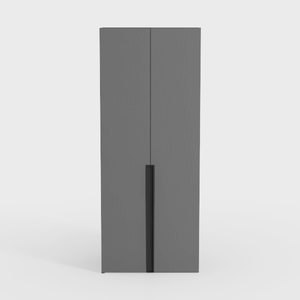
Minimalist Dark Gray Solid Wood Wardrobe With Black Metal Hardware 3D Model

Modern Mixed Material Glass Door Wardrobe With Open Storage Shelves 3D Model
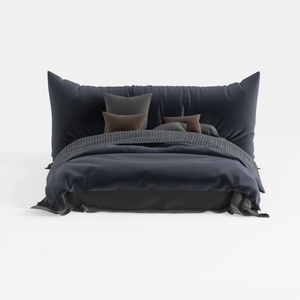

Modern Minimalist Dark Velvet Upholstered Bed 3D Model
Homestyler offers a vast library of furniture and decoration materials to meet all your design needs.
立即免费设计
































