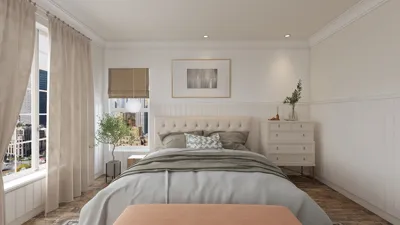


An afternoon once spent matching a client's memory of a 19th-century blue revealed that her cherished "blue" was actually three different pigments layered over the years. This amusing lesson taught me to always evaluate paint swatches in natural sunlight prior to finalizing decisions. Whenever I approach a Victorian restoration, I typically create simple sketches to ensure that the color dynamics are visually appealing both from the street and inside the home.
Inspiration 1: Multi-Layered Color Narratives
Victorian homes are known for their dramatic color schemes, featuring main hues complemented by distinct trims and accent details. To achieve a visually striking effect, choose a primary color along with two additional tones for trimming and accentuating purposes. This approach fosters depth while steering clear of visual clutter. The reward is magnificent curb appeal; the minor challenge lies in ensuring crisp trim lines, which can be achieved using high-quality primer and edge tape where necessary.
save pin
Inspiration 2: Honor the Historical Essence, Yet Refresh the Color Palette
I enjoy reinterpreting historical color palettes by subtly muting them to fit contemporary aesthetics—imagine a sootier teal or a softened burgundy. This method maintains historical integrity while sidestepping an overly museum-like ambiance. A practical tip: refreshing just the trims and accents can dramatically revamp the property’s appearance without necessitating a complete exterior overhaul.
save pin
Inspiration 3: Emphasize Architectural Features with Contrasting Colors
Architectural features like brackets, bargeboards, and columns embody a home’s character; painting them in a contrasting hue can highlight their craftsmanship. This is a cost-effective yet impactful strategy, though it does require meticulous masking and either a steady hand or a small angled trim brush. For those who wish to visualize potential outcomes, utilizing realistic 3D renders in Homestyler can help test color combinations before any physical work begins.
save pin
Inspiration 4: Selecting Texture and Finish
The finish can significantly influence a paint job—options range from flat to eggshell to satin. Personally, I often opt for satin finishes on wood trims, striking a balance between durability and a soft sheen, while flat finishes can mask surface imperfections on larger areas. However, this comes with a maintenance trade-off: glossier finishes are easier to clean but may highlight flaws. Determine the best balance based on exposure levels and your maintenance threshold.
save pin
Inspiration 5: Internal-External Color Harmony
The charm of Victorian style seamlessly transitions from the exterior to the interior. By coordinating your exterior accents with a corresponding color for an interior hallway or staircase, you create a unified visual story. This simple step enhances the cohesion of the house, with the challenge being to sample colors both inside and out under the same lighting conditions prior to making a decision.
save pin
Tips 1:
Pro tip: Always begin with small test panels and observe them in morning and evening light over several days. For quicker concept generation, I often make use of AI design assistance to quickly produce color combinations, which I later refine using actual paint samples and chips.
save pin
FAQ
Q: What are the recommended paint types for Victorian exteriors?
A: High-quality acrylic latex is best for siding, complemented by a durable and breathable primer for wood surfaces. These paints are designed to withstand weather elements while adhering well to traditional building materials.
Q: How do I choose historically accurate colors?
A: Begin your selection process by consulting local historic photographs or period catalogs, then find modern equivalents that suit your geographical climate and lighting conditions. Proper testing is crucial since historic pigments may age differently compared to contemporary formulations.
Q: Can I undertake painting ornate trim by myself?
A: Absolutely, with patience and the appropriate tools at your disposal—such as small angled brushes, a steady hand, and quality masking tape. For very intricate or elevated elements, hiring a professional may be advisable to save time and avoid frustration.
Q: How frequently should I repaint a Victorian exterior?
A: Typically, you should consider repainting siding every 8 to 12 years and trims every 3 to 7 years, depending on their exposure and the finish sheen. Regular touch-ups can prevent more extensive repairs later on.
Q: Are there conservation considerations when repainting historic homes?
A: Yes, historic materials sometimes require breathable paints and careful preparation. According to Historic England, proper use of breathable materials and avoiding sandblasting can help preserve the original fabric of the structure.
Q: What would be an economical first step to refresh a Victorian home?
A: Repainting the front door and trims with a fresh accent color can significantly enhance curb appeal. This quick and economical approach often yields the most noticeable value for your investment.
Q: How can I ensure colors appear correctly under varying lights?
A: Position your sample boards in situ and monitor them during dawn, midday, and dusk. Subtle shifts in hue can appear quite different when viewed from different orientations.
Q: Are there any digital tools you recommend for planning color schemes?
A: I typically utilize a combination of mockups and visual tools to assess options prior to purchasing paint. This not only accelerates the design process but also minimizes waste. For comprehensive previews, consider using realistic 3D renders in Homestyler to help visualize color combinations and supplement quick concept development using AI design assistance for rapid palette creation.
save pin
What began as an Autodesk innovation has evolved into a design platform used by more than 18 million people around the globe. Homestyler combines powerful rendering, an intuitive editor, and a vast furniture library to help you turn inspiration into photorealistic designs — whether you're redesigning a single room or planning an entire home.
Homestyler is your go-to online home design platform! With its user-friendly design tool, stunning 3D renderings, and a wealth of DIY video tutorials, you can effortlessly create and visualize your dream spaces. Discover endless design possibilities and unleash your creativity today!
Concevez maintenant gratuitement
































