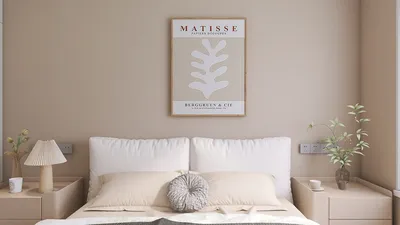


I have worked extensively with black floor tiles in various settings including apartments, townhouses, and contemporary villas. The outcome is consistently positive: these tiles create an environment that feels stable, refined, and visually soothing. Black tiles serve as a striking foundation for introducing color and texture into a space, but they necessitate meticulous attention to lighting, ergonomics, and sound balance to prevent the area from appearing heavy or excessively stark. When designing with these elements, utilizing tools like Homestyler can enhance the planning process.
Research underscores the necessity of proper lighting and contrast when incorporating dark finishes like black tiles. The WELL Building Standard advocates for balanced lighting and glare control to maximize visual comfort, pointing out that low-reflective surfaces, such as black floors, require ample ambient and task lighting. Studies from Steelcase indicate that environments with managed glare minimize visual fatigue, which is crucial since darker floors tend to absorb light rather than reflect it. Furthermore, color psychology from Verywell Mind suggests that darker shades such as black exude sophistication and stability, aligning perfectly with the grounded essence of black tiled floors.
In practice, achieving optimal performance from black flooring hinges on well-balanced lighting. I typically recommend maintaining an ambient light level of about 300 to 500 lux in living spaces, increasing to 700 to 1000 lux in reading areas, accompanied by warm to neutral color temperatures ranging from 2700 to 3500K to maintain a welcoming atmosphere. Employing layered lighting strategies—comprising ambient, accent, and task lighting—can prevent the black floor from absorbing too much light and encourages appreciation for textures and transitions in materials.
Selecting the Right Black Tile: Consider Finish, Format, and Pattern
Finish is crucial. Matte or satin tiles reduce glare and minimize the visibility of footprints, while polished black porcelain presents a stunning look that requires more upkeep and careful lighting to avoid glare issues. Opting for larger formats (24x24 or 24x48 inches) minimizes grout lines, resulting in a more modern feel; conversely, smaller mosaics can add intricate detail but may complicate cleaning. For patterns, a straight layout conveys minimalism, whereas herringbone or chevron patterns introduce movement and subtle luxury without necessitating bold colors in other elements.
Lighting Strategy for Dark Floors
Enhance black flooring with a well-thought-out lighting strategy. I recommend incorporating a dimmable central ambient light source, wall washers to illuminate vertical surfaces, and table or floor lamps for task lighting. Following IES best practices, striking a balance between uniformity and contrast is key; managing glare with diffusers and shielded fixtures is essential, and avoid installing pinpoint downlights directly over highly polished tiles. Using warm light on textured walls and softly grazing light on curtains can offset the low light reflectance of the floor without diminishing the room's appeal.
Color Palette: Creating Warmth, Contrast, and Tranquility
Black floors benefit from an enriched color palette. Off-white walls (such as warm ivory or pale greige) keep the environment from appearing overly stark, while mid-toned wood elements (like walnut or oak) introduce warmth and rhythm. Accents in hues like rust, olive, indigo, or soft blush can add depth without clashing with the flooring. Although very dark walls are viable, they require adequate lighting and textured surfaces (such as bouclé, linen, or wood grain) to ensure comfort within the space. A singular, high-chroma item—such as a cobalt vase or a brass floor lamp—serves as a captivating focal point against the serene black flooring.
Creating Layout and Flow: Designing Within a Dark Canvas
A black floor often presents as a cohesive expanse, making effective zoning essential. Utilizing area rugs to delineate conversation, reading, and media zones is highly effective, along with arranging furniture to align with sightlines rather than crowding items against walls. Experimenting with different seating arrangements or pathways can be simplified with tools like Homestyler, allowing you to visualize the layout and clearances before making any commitments.
Prioritizing Ergonomics and User Experience
The living room serves multiple purposes: lounging, reading, and socializing. It’s important to maintain 18 to 24 inches of clearance around seating, as well as 14 to 18 inches between the sofa and coffee table while ensuring efficient task lighting for reading areas. Dark flooring enhances contrast with lighter furniture; therefore, opting for upholstery that offers supportive seat heights (between 16 and 18 inches) is advisable, alongside considering armrests that assist transitions from sitting to standing. Maintaining lines of sight to daylight and external views is crucial; black floors can beautifully frame windows when furniture is arranged towards the brightest vertical surfaces.
Ensuring Acoustic Comfort on Hard, Dark Surfaces
Porcelain and stone tiles tend to reflect sound. Enhance acoustic comfort by layering rugs (dense wool or blends), utilizing upholstered furniture, and incorporating curtains. Features such as bookshelves, plants, and textured wall panels help diffuse sound reflections and avoid a ‘hard’ acoustic environment. In open spaces, breaking long sound paths with soft partitions or tall greenery can enhance intelligibility and comfort during conversations.
Material Choice and Care Guidelines
Porcelain tiles are functional; they are dense, low-porosity, and resilient against stains. Natural stones like basalt or slate provide unique organic variations but require appropriate sealing. Pay attention to grout selection: charcoal or gray grout can conceal joints and lower maintenance needs; lighter grout offers a graphic contrast but may require more frequent upkeep. In households with pets or children, opting for matte tile finishes and evaluating anti-slip ratings tailored for residential areas should be prioritized.
Occupying Space with Rugs, Textures, and Layering Techniques
Rugs act as intermediaries between dark tiles and plush seating. Choose rug sizes that secure the front legs of sofas and chairs, selecting textures that contrast with the tile—flatweave for a clean look, wool for cozy warmth, or patterned designs to infuse energy. Elements like metal accents (brass, blackened steel), wooden components, and natural fibers can prevent the overall decor from feeling excessively chilly.
Harnessing Daylight, Windows, and Glare Management
With the inclusion of black floors, daylight can become a sculptural element. Implement sheer curtains to soften harsh light and strategically position reflective surfaces (such as mirrors and polished metals) away from low-angle sunlight to minimize glare streaks on polished tiles. It’s advisable to select mid-tone finishes for window frames and sills, bridging the stark contrast between bright exteriors and dark flooring.
Furniture Size and Proportion Considerations
Ensure furniture complements the room size and tile dimensions. Large black tiles pair well with generously sized, clean-lined seating and low-storage options, while smaller tiles may work better with detailed millwork and layered accessories. Elevating bulkier items on legs allows more floor visibility, maintaining an airy feel. In tighter spaces, consider lighter upholstery and transparent or slim tables to avoid visual weight.
Sustainability Insights
Choose durable tiles to minimize the need for early replacements, and opt for low-VOC adhesives and grouts. With recycled content becoming more prevalent in porcelain tiles, balancing this with longevity and ease of repair is wise. Incorporating natural fibers, durable woods, and timeless designs that endure beyond fleeting trends will enhance longevity.
Practical Checklist for Implementation
- Verify lighting levels: Aim for 300-500 lux for ambient lighting, with a color temperature between 2700-3500K.
- Test finish samples in both day and evening conditions to assess glare and visibility of footprints.
- Utilize rugs and furniture positioning to define zones and simulate clearances with a room layout planner to fine-tune arrangements.
- Incorporate sound-absorbing features to optimize acoustic comfort.
- Select grout and tile edges that align with your maintenance preferences.
- Balance warm materials against the cool, sleek flooring for a harmonious environment.
Frequently Asked Questions
Q1: Do black floor tiles create the impression of a smaller living room?
A: Not necessarily. This perception largely hinges on effective lighting and contrast. With sufficient ambient light, lighter wall colors, and reflective or textured features, black flooring can impart a sense of elegance and spaciousness instead of confinement.
Q2: Which tile finish is optimal for a family-friendly living room?
A: Matte or satin porcelain is forgiving and less visible footprints, while polished tiles may be visually appealing but require diligent glare management and maintenance.
Q3: What is the best lighting approach for a living room featuring black floors?
A: Layer ambient (300-500 lux), accent, and task lighting effectively. Choose warm-to-neutral color temperatures (2700-3500K) and steer clear of harsh, uncovered downlights that may generate glare on shiny surfaces.
Q4: What colors and textures in rugs complement black tiles?
A: Opt for warm neutrals, subtle patterns, and textured weaves (like wool or bouclé) to soften the hard floor. Ensure rugs are adequately sized to anchor furniture groups while delivering acoustical and ergonomic comfort.
Q5: Is grout color important when using black tiles?
A: Absolutely. Charcoal or nearly-black grout provides a seamless appearance while reducing maintenance. Conversely, lighter grout creates a striking visual grid but may show wear more quickly.
Q6: How can I manage sound on hard tile floors?
A: Incorporate soft materials such as rugs, upholstered chairs, and curtains, while including elements like bookshelves, plants, or textured wall panels to diffuse sound and enhance conversation clarity.
Q7: Are black tiles slippery?
A: Slip resistance is determined by texture and finish rather than color. Check the slip rating of tiles and choose matte or lightly textured options for living areas, particularly in homes with children or pets.
Q8: What furniture finishes complement black floors well?
A: Mid-tone woods (like oak or walnut), brass or blackened steel, and light-colored upholstery create a balanced aesthetic. Elevate heavier pieces on legs to maintain a light visual appearance.
Q9: Can I successfully use black tiles in small living spaces?
A: Yes, with the right lighting, lighter wall choices, and slim, leggy furniture. Consider using larger tile formats to minimize the appearance of grout lines and maintain a clean visual field.
Q10: How can I keep the room looking warm instead of cold?
A: Introduce warm materials—wood accents, textiles, and brushed metals—apply color accents, and ensure lighting levels remain cozy. Use grazing light techniques on textured features to add warmth and dimension.
What began as an Autodesk innovation has evolved into a design platform used by more than 18 million people around the globe. Homestyler combines powerful rendering, an intuitive editor, and a vast furniture library to help you turn inspiration into photorealistic designs — whether you're redesigning a single room or planning an entire home.

Modern Geometric Pattern Fabric Sofa With Contrast Upholstery 3D Model


Modern Black Solid Wood Irregular Coffee Table 3D Model
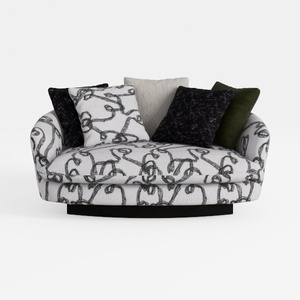
Abstract Pattern Fabric Upholstered Loveseat Sofa 3D Model
Homestyler is your go-to online home design platform! With a user-friendly design tool, stunning 3D renderings, a wealth of design projects, and helpful video tutorials, you can transform your space effortlessly. It's perfect for both beginners and seasoned designers looking to unleash their creativity!
Diseño ahora GRATIS
































