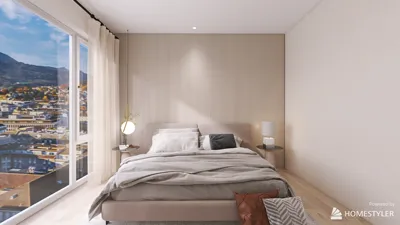


A wood slat wall adds immediate personality to any room with its clean lines, warm textures, and rhythmic patterns that play harmoniously with light. When designed effectively, it enhances spaces such as living rooms, bedrooms, home offices, and hallways without dominating the existing architecture. In addition to visual appeal, slats assist in managing acoustics and creating subtle divisions within the space.
Planning the Wall with Realistic Goals
Proper planning is essential to avoid common pitfalls like uneven spacing and unwanted sound reflections. Research indicates that environments with controlled acoustics can enhance focus and minimize distractions; a study by Steelcase reveals noise is a significant concern in open spaces, and addressing it can enhance perceived productivity. Integrating slats with sound-absorbing materials, as discussed later, can be beneficial. Daylight and artificial lighting are also critical. The WELL v2 Light concept emphasizes the importance of controlling glare and achieving balanced illumination for visual comfort, which influences how shadows from slats are perceived throughout the day.
Define the wall’s function: will it serve as a focal point for a television, act as a stylish headboard, or provide a calming partition for an office? Measure the wall’s height and width, ensure it is level, and locate studs with a detector. If you're changing the layout of the room around the slat feature, utilizing a room layout tool can help visualize sightlines, furniture placement, and task zones—perfect for when the slat wall borders a workspace or media center.
Select Materials with Purpose
Typically, slat walls are constructed from 1x2 or 1x3 dimensional lumber, but you can also use plywood or MDF for consistent widths. Solid hardwood options like oak, ash, and walnut provide durability and clean lines, whereas MDF is economic but requires careful finishing. For eco-conscious choices, seek FSC-certified materials and low-VOC finishes. If sound management is a priority, consider adding a black acoustic felt or mineral wool panel behind the slats to absorb mid-to-high frequencies and enhance shadow effects.
For slat spacing, a typical pattern includes a slat width between 1.5 to 2 inches with gaps of 0.5 to 1 inch; tighter gaps yield a sleeker look. Keep the viewing distance in mind: thicker slats with slightly wider gaps work well in spacious rooms, while finer spacing is more suitable for compact areas.
Prepare the Wall: Straight, Clean, and Marked
Ensure that the wall is free of protrusions; fill in any holes and lightly sand for a smooth surface. Painting the wall a dark matte color like charcoal or black effectively conceals shadows and fasteners—especially crucial when spacing gaps between slats. Establish a level reference line at the top and bottom; check verticality using a laser level or a traditional 6-foot level. Mark where the studs are located, as these will be essential for secure attachment.
If you’ll be using acoustic backing, install the felt or panels at this stage. Make sure to leave electrical outlets accessible, and consider extender boxes to ensure receptacles are aligned with the slat plane.
Cut, Seal, and Finish the Slats
Before starting, mill the materials: cut slats to the appropriate height, square the ends, and lightly bevel the edges to minimize chipping. Sand them using 120–180 grit sandpaper, then apply a sealant or stain. A contemporary and stylish choice is natural oak finished with a matte waterborne polyurethane. Remember, color psychology plays a role; warm wood tones can evoke feelings of comfort and tranquility, making them ideal for bedrooms and lounge areas.
Be mindful of sheen: matte or satin finishes can help reduce glare. According to IES guidelines, effectively managing reflections complements layered lighting and prevents harsh contrasts in the space; slats should enhance the overall ambiance rather than detract from it.
Establish Your Spacing Rhythm
Create a spacer jig from leftover wood, matching your desired gap. This tool ensures consistent rhythm and expedites installation. Start from a visible edge—often the room’s central sightline—and work across. If the wall isn’t perfectly plumb, you might need to rip the final slat to achieve a neat finish without an awkward gap.
For walls with ceilings higher than 9 feet, segment the wall into modules with horizontal reveals at door height to maintain proportionality. This reveal can also serve as an access route for concealed wiring or picture hanging.
Fastening Techniques
Slats can be glued directly to painted substrates using construction adhesive and pinned at the stud locations. For easier removal in the future, consider using hidden cleats or a narrow plywood backer attached to the studs, then affix the slats to this backing. It's wise to use two fasteners per slat at every 16 inches; pre-drilling hardwood slats can prevent splitting. If you are framing a television, ensure to add blocking behind the mount and run cables before attaching the slats.
Check alignment every third slat to ensure accuracy, as minor deviations can accumulate. Maintain the integrity of your spacer jig—replace it if it becomes compressed or swells.
Light and Shadow: Make It Work for You
Slats can be used to shape light. Position ambient lighting to softly illuminate the wall—consider using diffused linear LEDs at the ceiling edge or a wall grazer with a high Color Rendering Index (CRI) for authentic color representation. Avoid tight spotlights that may create striping. Following WELL v2 Light principles, aim for glare control and a balanced light output. A warm light spectrum of 2700–3000K works well with wood, while task areas can benefit from mixing in 3500–4000K lighting to promote alertness without diminishing the warmth of the wall.
Test the lighting at night: dimming to 30–50% creates a cozy atmosphere, while raising it to 70–80% provides adequate lighting for reading. If daylight is excessive, consider sheer window treatments to soften contrasting shadows on the slat wall.
Acoustic Comfort
Open gaps in slats can reflect sound if the underlying surface is hard. Incorporating felt or mineral wool behind the slats can effectively absorb mid and high frequencies, enhancing speech clarity—the benefits are especially pronounced in home offices. Research by Steelcase underscores cognitive fatigue resulting from excessive noise; incorporating a modest layer of sound absorption along with soft furnishings like rugs or upholstered furniture can create an acoustically balanced atmosphere.
Final Touches and Edge Conditions
Ensure slats terminate neatly at corners by either mitering the final slat to wrap around the edge or introducing a slim metal trim for a clean finish. For outlets, opt for oversize covers or custom-milled wooden covers that align with the slat pattern. If you need access panels for plumbing or electrical junctions, conceal them by maintaining the slat rhythm and utilizing magnetic catches.
Maintenance
Dust the slats regularly with a microfiber cloth; avoid using wet mops that can leave streaks. For oiled finishes, rejuvenate them annually. Be prepared for slight seasonal movement—wood can expand and contract—so maintain a tolerance of 1–2 mm at the ceiling and base. If any slat gets damaged, merely replace that particular piece rather than refinishing the entire installation.
Design Variations
- Vertical slats enhance height and provide a classic modern aesthetic.
- Horizontal slats visually widen the room, making them ideal for narrow hallways.
- Mixed rhythms create a subtle pattern by alternating widths.
- Painted slats in deep tones can create moody spaces, especially when low-sheen paint is utilized to lessen glare.
- Utilizing curved profiles through steam bending or kerf cutting can give a soft, organic flow to the design.
Step-by-Step Summary
1) Measure and mark stud locations, determine spacing. 2) Paint the substrate a dark color, install acoustic material if necessary. 3) Cut, sand, and finish the slats. 4) Begin at a focal edge; use a spacer jig for consistency. 5) Fasten the slats to the studs, ensuring vertical alignment. 6) Integrate proper lighting with glare management. 7) Trim edges and manage outlets with precision. 8) Clean the slats, test acoustics, and adjust lighting as needed.
Cost and Time Involved
For a standard 8x10 foot wall using 1x2 solid hardwood slats, anticipate costs ranging from $250 to $800, depending on wood species and finishes, with an estimated 6 to 10 hours of labor for a two-person team. Opting for MDF or plywood can significantly reduce expenses, though they require diligent sealing. Remember to factor in acoustic backing, trim, and lighting if you're incorporating grazing fixtures.
Common Mistakes to Avoid
- Inconsistent spacing: ensure you use a rigid spacer jig.
- Excessively glossy finishes: these can create glare and highlight imperfections.
- Neglecting stud locations: incorrect fastening may lead to warping over time.
- Omitting acoustic backing in echo-prone spaces: this can create an overwhelming sound environment.
- Overly harsh lighting: this can cause distortion and visual fatigue.
Frequently Asked Questions
Q1: Is acoustic backing necessary behind slats?
A: If your room features hard flooring and few soft furnishings, then yes. Felt or mineral wool can diminish reflections and improve speech clarity, particularly in home office settings.
Q2: What type of spacing looks best?
A: Gaps of 0.5 to 1 inch with 1.5 to 2 inch slats tend to be visually appealing in most rooms. Wider gaps offer a more graphic appearance while tighter gaps present a more refined texture.
Q3: Can a slat wall function behind a television?
A: Absolutely. Be sure to add backing for the mount, pre-run your cables, and avoid high-gloss finishes that reflect the screen light. Instead, use diffuse wall washing for an inviting look.
Q4: What finish is recommended?
A: A matte or satin waterborne polyurethane is advisable for durability and to minimize glare. If you prefer oil finishes, select low-VOC options and plan for periodic maintenance.
Q5: Will slats create a perception of increased room height?
A: Vertical slats accentuate height, drawing the gaze upward, whereas horizontal slats can visually widen a room—choose the arrangement that best compensates for your space’s proportions.
Q6: How should I address outlets and switches?
A: Utilize electrical box extenders to align devices flush with the slat plane. Ensure that cover plates align with the slat rhythm or select oversize plates for a neat finish.
Q7: Is it possible to install slats over textured walls?
A: Yes, However, it is advisable to skim-coat or add a flat backer panel first to guarantee a smooth installation. Texture may show through gaps and complicate adhesive application.
Q8: What type of lighting pairs well with slat walls?
A: Soft ceiling wash lighting or linear grazers are ideal. Adhere to WELL v2 guidelines for glare control; a warm 2700–3000K light spectrum complements wood, while incorporating 3500–4000K task lighting where necessary.
Q9: Are MDF slats sufficiently durable?
A: MDF is suitable for low-traffic and dry areas with proper sealing. However, solid hardwood or high-quality plywood is preferable for lasting durability and sharper edges.
Q10: How can I maintain spacing consistency on an uneven wall?
A: Employ a spacer jig and laser level for accuracy. If the wall leans, shape the last slat accordingly rather than compromising the spacing across the entire installation.
Q11: Is it feasible to curve the slats?
A: Yes, this can be accomplished via kerf cutting or steam bending wood. Secure to a templated backer while ensuring uniform gaps throughout the curve.
Q12: Will a slat wall aid in maintaining focus in a home office?
A: It certainly can. When combined with acoustic backing and appropriate lighting management, it can significantly minimize distractions. Research from Steelcase reveals that effective acoustic control correlates with enhanced focus.
What began as an Autodesk innovation has evolved into a design platform used by more than 18 million people around the globe. Homestyler combines powerful rendering, an intuitive editor, and a vast furniture library to help you turn inspiration into photorealistic designs — whether you're redesigning a single room or planning an entire home.
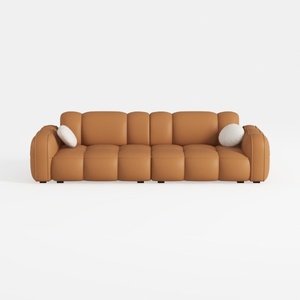

Modern Minimalist Tan Leather Oversized Sofa 3D Model

Minimalist Solid Oak Coffee Table Rounded Edge 3D Model
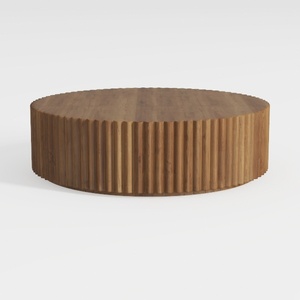
Minimalist Solid Wood Fluted Round Coffee Table 3D Model
Homestyler is your go-to online home design platform! With its user-friendly design tool, stunning 3D renderings, and a wealth of DIY video tutorials, transforming your living space has never been easier. Explore endless design projects and unleash your creativity today!
Concevez maintenant gratuitement
































