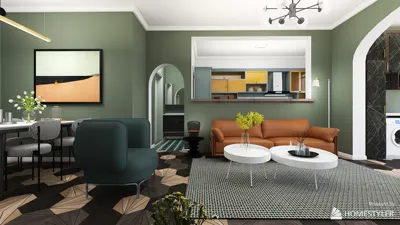


I had a client once who was adamant about using marble-inspired tiles for a compact laundry that also served as a mudroom. However, by the end of the second week, the grout had lost its charm, and the budget had unexpectedly swelled. This experience taught me that adding drama isn't always beneficial. In small laundry spaces, clever decisions matter more than flashy designs, and that’s where effective tile options truly stand out. If you’re considering a renovation, here are five tile ideas that I frequently apply, which are informed by my real-world projects and a few hard-earned lessons. To kick off, I often sketch some quick floor plan concepts using Homestyler to test different dimensions and flow before finalizing my tile choices.
Tips 1:
1. Large-format porcelain for an easy-to-clean, modern flooring solution
I’m a fan of large-format porcelain tiles in laundry areas because they minimize grout lines, leading to less dirt accumulation, which is particularly advantageous when managing pet hair and detergent spills. They're durable and moisture-resistant, making them suitable for environments with frequent exposure to wetness and heavy appliances. However, the downside is that larger tiles can feel chilly underfoot and may necessitate a flatter subfloor, so I often suggest incorporating underfloor heating or a rubber mat if your budget allows.
save pin
save pin
2. Patterned encaustic-style tiles to infuse personality
When I aim to add vibrancy to the space, I choose patterned cement-effect or encaustic-style tiles either for the flooring or as a focal inset. These tiles introduce character without the need for wallpaper or artwork, making them perfect for smaller rooms. The catch is that they can appear quite busy, so I balance them out with simple white cabinetry and matte hardware to maintain a lively yet tranquil atmosphere.
save pin
3. Textured anti-slip tiles for enhanced safety and aesthetic appeal
Prioritizing functionality: textured anti-slip tiles are essential if your laundry leads to the backyard or regularly deals with wet footwear. Modern textured porcelain tiles come in a variety of finishes, allowing you to prioritize safety without sacrificing style. To help visualize how the texture will appear in the finished space, utilizing 3D rendering inspiration has assisted me in reassuring hesitant clients by showcasing the actual appearance under different lighting.
save pin
4. Subway tiles or planks for a classic wall-to-floor approach
Combining subway tiles on walls with wood-look porcelain planks on the floor presents a timeless and flexible design strategy that I frequently recommend. This combination brightens the room and keeps maintenance minimal while complementing open shelving beautifully. One minor challenge involves grout coordination—select a discreet grout color that can mask detergent spills but don’t match it too closely, or the edges of the tiles may become indistinguishable.
save pin
5. Creating zones with mixed tiles in combined laundry-kitchen areas
In apartments where the laundry area is either within or next to the kitchen space, I like to create distinct zones using two complementary tiles: a robust floor tile for the laundry and a gentler wood-look tile for the kitchen. This technique effectively separates the functionalities visually without the need for raised thresholds. To achieve practical layout solutions that manage integrated spaces effectively, these laundry-kitchen combinations often yield innovative placement ideas. The challenge lies in ensuring smooth transitions to maintain an intentional rather than a patched-together appearance.
save pin
FAQ
Q1: What tile works best for laundry room floors?
Porcelain tile is generally the most practical option due to its density, water resistance, and durability. For added safety, opt for a textured finish or an anti-slip rating if the area experiences significant moisture; the Tile Council of North America (TCNA) provides valuable technical guidance at https://www.tcnatile.com.
Q2: Are patterned tiles difficult to maintain in a laundry setting?
Patterned tiles can conceal stains effectively, though grout lines require care. Choosing glazed porcelain with sealed grout can help decrease cleaning time—I've seen patterned floors retain their charm beautifully when installed with a solid grout selection.
Q3: Is it acceptable to use wood-look tiles in a laundry?
Absolutely—wood-look porcelain tiles offer the appealing appearance of wood while providing superior moisture resistance. Just ensure the subfloor is even and use an appropriate adhesive to support heavy appliances.
Q4: How should I transition tiles between the laundry and adjacent rooms?
Incorporating a slightly different tile or a narrow border strip can create a clear transition. I often recommend using a metal or stone threshold for durability and a clean visual break.
Q5: What grout color should I select?
Mid-tone grout is typically the most advantageous choice—light enough to appear clean while dark enough to conceal everyday stains. It's best to avoid pure white unless you're dedicated to frequent upkeep.
Q6: Are mosaic tiles suitable for laundry backsplashes?
Mosaics can provide texture and are excellent for backsplashes since they effectively hide minor splashes and soap residues. However, with more grout to maintain, using epoxy grout may simplify cleaning.
Q7: What is a reasonable budget for refreshing tile in a small laundry?
Costs can vary significantly based on tile quality and installation labor, but for a small laundry, I typically allocate funds for mid-range porcelain along with professional installation; this often proves to be a better value over time compared to lower-cost tiles that might fail prematurely.
Q8: Is it possible to install tile myself in a rental laundry?
If you possess tiling experience and have the landlord's consent, small projects like a backsplash can be a DIY endeavor. However, I recommend hiring a professional for floor tiles because proper subfloor preparation and waterproofing are crucial—I've had to repair damages from weekend DIY projects that didn’t go as planned.
save pin
Built on technology originally developed at Autodesk, Homestyler empowers anyone to design beautiful, realistic spaces in minutes. Join over 18 million users who have already discovered a smarter way to plan, visualize, and bring their dream homes to life — all from the comfort of a browser.
Discover Homestyler, your ultimate online home design companion! With its easy-to-use design tool, stunning 3D renderings, and a rich collection of design projects and DIY video tutorials, you can effortlessly transform your ideas into reality—perfect for both beginners and seasoned decorators!
지금 무료로 디자인하세요
































