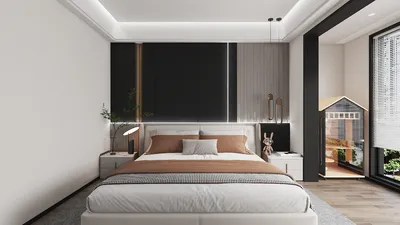


Once, I confused the terms "calm sky" and "sunset blaze" while working with a client, leading us to spend the afternoon pondering if we had unwittingly redefined modern art. This small mishap taught me the importance of advising clients to visualize paint in a three-dimensional space before making a decision. This approach not only conserves time and money but also safeguards my professional reputation. Even the smallest rooms can inspire significant ideas, and paint remains our quickest and most impactful tool for transformation.
1. Soft Neutrals Enhanced by a Singular Bold Accent
I prefer to start with a delicate neutral—like warm greige or light dove gray—complemented by a singular bold accent wall in a rich teal or terracotta. This combination maintains a tranquil atmosphere conducive to focus, while the accent brings character and serves as a focal point during video conferences. Just be cautious, as a trendy accent may feel dated; opt for a color you can appreciate for several years, or consider using removable wallpaper if you are renting.
save pin
2. Two-Tone Walls to Alter Perception of Ceiling Height
By painting the lower third of a wall in a darker shade and the top two-thirds in a lighter tone, you can create an optical illusion that makes the ceiling appear higher or cozier, depending on the proportions. This technique works particularly well in narrow rooms and is affordable—just be sure to plan your trim and door colors thoughtfully. This requires minimal paint commitment for a significant spatial enhancement, although it necessitates precise alignment to avoid a messy finish.
save pin
3. Soft Green or Blue for a Productive Environment
For fostering productivity, I often choose soft colors with blue or green undertones—such as pale sage, muted aqua, or light sky blue—as they help reduce stress and enhance concentration. If you're uncertain, leverage virtual tools like Homestyler to evaluate how natural and artificial lighting can influence color perception. These hues are photogenic and quite forgiving; however, cool tones may come off as cold without warm accents such as wood or brass to balance them out.
save pin
4. Choosing Between Matte and Eggshell Paint Finishes
Matte paint effectively conceals imperfections, a true advantage for older apartments, whereas eggshell offers a slight sheen that facilitates cleaning. I usually recommend matte for textured walls and eggshell for smooth woodwork. A smart budget tip is to invest a little more in paint quality, as higher-grade pigments usually require fewer coats and deliver a more accurate color interpretation.
save pin
5. Create Impact with a Dark Ceiling or Door
Applying a deep, unexpected color—such as charcoal, navy, or forest green—to the ceiling or a door injects drama into a compact office without overwhelming it. This technique introduces depth and conveys an intentionally designed space. If you're uncertain about color choices, consider using AI tools for color suggestions, like those found in Homestyler; they can effectively narrow down your options, though I still trust my instincts in the end.
save pin
FAQ
Q: Which colors promote productivity in a home office?
A: Soft blues and greens are often suggested because they help alleviate stress and enhance focus. Incorporating warm elements such as wood or brass can prevent the space from feeling too clinical.
Q: How can I select the right shade of white for my project?
A: Whites can differ greatly by undertone—cool, warm, or neutral. It’s best to test large samples on various walls and observe them in both morning and evening light before committing to a full gallon.
Q: Is matte or satin paint preferable for an office environment?
A: Matte finishes effectively conceal wall blemishes and lend a contemporary feel, while satin or eggshell finishes are easier to clean. Opt for matte on textured walls and eggshell for trims or frequently touched areas.
Q: Can dark paint shades make a small office appear smaller?
A: Dark hues can create a cozy ambiance without making the room feel more confined, especially when applied strategically on one wall, the ceiling, or cabinetry to foster depth and focus.
Q: How many coats of paint should I typically apply?
A: Generally, quality paints cover in two coats, though color shifts or specific pigments may necessitate a third coat. Premium paint brands often minimize the number of coats needed while ensuring true color accuracy.
Q: Are there specific paint brands you recommend for home offices?
A: I often endorse professional-grade lines for their durability and color accuracy. For instance, Sherwin-Williams provides formulas specifically created for excellent coverage and lightfastness, crucial for long-term color retention.
Q: What’s the best way to test paint colors before I decide?
A: Use sample pots to apply on large poster boards, observing them at various times; this method is economical and helps mitigate future regrets. Virtual renderings are useful, but tangible samples provide more reliable insights.
Q: Is it feasible to paint over existing wallpaper?
A: While painting over wallpaper can be done, it carries risks such as visible seams and possible adhesion issues. I typically recommend removing troublesome wallpaper first or using temporary solutions like removable panels for quicker aesthetic updates.
save pin
Homestyler is your go-to online home design platform, perfect for anyone looking to transform their space. With its easy-to-use design tool, stunning 3D renderings, a wealth of design projects, and informative video tutorials, creating your dream home has never been simpler or more fun!
지금 무료로 디자인하세요
































