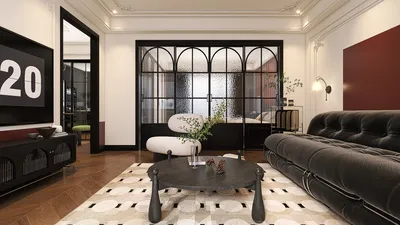


During a visit to a client’s basement, I discovered that I had mistakenly brought the incorrect primer—white instead of a masonry variant. We shared a good laugh about possibly painting the living room with a sponge to create a textured effect while I hurried to the store. This experience reinforced two key lessons for me: that small areas can inspire major creative ideas, and that being well-prepared can save a significant amount of time. To sidestep my primer blunder, begin by visualizing your layout to determine how light and traffic will interact with the walls.
Inspiration 1: Opt for breathable masonry paints
For concrete block walls, I generally suggest using a breathable masonry paint or a premium acrylic masonry finish. These types of paints allow moisture to escape from the blocks, which helps prevent peeling over time. Although they might be a little pricier, they considerably reduce ongoing maintenance efforts.
Inspiration 2: Prime correctly – select the right primer
Concrete blocks tend to absorb primer, so I always opt for a masonry primer to effectively seal the surface and inhibit block stains. Although it requires a bit more time initially, this choice results in fewer necessary topcoat applications and a more uniform color, especially since staining or efflorescence can pose significant challenges.
save pin
Inspiration 3: Embrace texture with stain wash or limewash
Instead of battling against the texture of the block, I sometimes incorporate it into the design: a limewash or diluted stain allows the natural imperfections of the block to shine through, creating a rustic modern aesthetic. This imperfect approach may not appeal to those who prefer sharp, flat colors, but it proves to be both forgiving and budget-friendly.
save pin
Inspiration 4: Utilize color zoning for scale alteration
Using a darker shade on the lower third of a tall block wall visually stabilizes a room and provides the illusion of higher ceilings. I often sketch out color zones on paper and occasionally utilize digital mockups to visualize the outcome before actual painting. Testing a 3D model can prevent the need for repainting later and encourages clients to make decisions confidently.
save pin
Inspiration 5: Safeguard with elastomeric or clear sealers
For outdoor settings or spaces with high moisture, elastomeric coatings or transparent masonry sealers provide added durability and water resistance. These options may alter the sheen or color depth slightly, so I always conduct patch tests first—finding the balance between durability and appearance often clears up any confusion. If you are updating a connected area, like a pantry or small kitchen, considering a cohesive kitchen makeover plan simultaneously can help align painting and fixture choices.
save pin
FAQ
Q1: Should I clean concrete block walls before painting?
Absolutely. It's important to remove dirt, mildew, and efflorescence using a stiff brush and suitable cleaner; failing to clean can impair paint adhesion, resulting in peeling.
Q2: What primer is suitable for concrete block?
A masonry primer specifically designed for concrete blocks should be used as it seals porous areas and enhances the coverage and adhesion of the topcoat.
Q3: Is it possible to use regular interior paint on concrete block?
Regular interior paints can be used on sealed and primed blocks, but breathable masonry paints or acrylic masonry finishes are preferable choices for long-term moisture management.
Q4: How many topcoat layers will I require?
After applying the primer, you should plan on one to two layers of the topcoat. Porous blocks may necessitate an additional coat to ensure complete coverage and uniformity in color.
Q5: Is painting concrete block a feasible DIY project?
Yes, many homeowners can undertake this task. The primary hurdles involve preparation—such as cleaning, repairing cracks, and priming—and safely reaching high or uneven surfaces.
Q6: Should elastomeric paint be used outdoors?
For exterior concrete blocks in damp climates, elastomeric coatings offer exceptional waterproofing and flexibility. Although they are thicker and more costly, they extend maintenance intervals significantly.
Q7: How can I handle efflorescence?
Remove loose salt deposits with a brush, then treat the area with a masonry cleaner and allow the block to dry completely before priming; ongoing issues could indicate a moisture source that requires attention.
Q8: Where can I source technical guidance on product selection?
Manufacturers like Sherwin-Williams provide technical data sheets and application manuals for masonry paints and primers; their technical bulletins serve as reliable references for product recommendations.
save pin
What began as an Autodesk innovation has evolved into a design platform used by more than 18 million people around the globe. Homestyler combines powerful rendering, an intuitive editor, and a vast furniture library to help you turn inspiration into photorealistic designs — whether you're redesigning a single room or planning an entire home.
Discover the ease of home design with Homestyler! This user-friendly platform offers an intuitive online design tool, stunning 3D renderings, and a wealth of inspiring design projects and DIY video tutorials. Transform your space into a dream home effortlessly—perfect for everyone, from beginners to seasoned decorators!
지금 무료로 디자인하세요
































