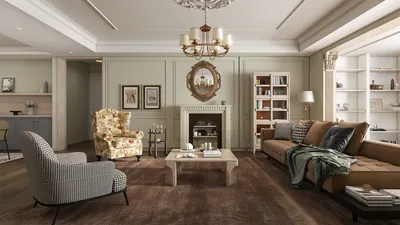


In the last ten years of my journey as an interior designer, I've observed the transformation of the brown and green living room trend, shifting from rustic cabin aesthetics to modern sophistication. The combination of earthy browns with nature-inspired greens creates an enchanting atmosphere, particularly in smaller spaces, which radiate warmth and vibrancy. Today, I’m excited to share ten of my top brown and green living room concepts, blending my design experiences with expert insights to illustrate how your home can embody both stability and liveliness using tools like Homestyler.
1. Minimalist Earthy Shelving
Personal Insight: In a recent apartment project, I implemented slim walnut shelves against a soft sage backdrop. This design choice immediately created a more serene and intentional environment, resembling a curated narrative of the occupant's life.
Advantages: Optimizes storage without overwhelming the space; seamlessly integrates brown wood textures with a green setting; particularly effective in an earthy minimalist design.
Disadvantages: Open shelving tends to gather dust more quickly; stylish storage boxes are essential to keep small items organized and visually appealing.
2. Olive Green Accent Wall
Personal Insight: By painting just one wall olive green in a drab beige lounge, I revitalized the space and paired it with a camel leather sofa, achieving a fresh and inviting atmosphere.
Advantages: Introduces depth without overpowering the room; enhances mood and comfort based on insights from the Pantone Color Institute's color psychology studies.
Disadvantages: Darker hues may constrict very small rooms, especially if the lighting is inadequate.
3. Leather Sofas with Botanical Prints
Personal Insight: In a family dwelling, we focused the space around a mid-brown leather couch complemented by vibrant leaf-printed cushions, creating an inviting and lively ambiance.
Advantages: Leather is low-maintenance, while lively prints add a touch of vibrancy without needing new paint; this brown and green living room concept is budget-friendly.
Disadvantages: Leather might feel chilly during colder months; botanical prints could necessitate updates if trends shift rapidly.
4. Indoor Plant Corner
Personal Insight: Positioning a bamboo chair near a window and surrounding it with ferns established a natural reading nook, blending comfort and greenery.
Advantages: Enhances air quality (as noted by the NASA Clean Air Study); introduces lively green tones that contrast with robust brown furniture.
Disadvantages: Some plants require more maintenance than anticipated; an abundance of large pots can consume valuable floor space.
5. Rustic Coffee Table with a Modern Couch
Personal Insight: A reclaimed oak coffee table paired with a streamlined moss-green couch sparked conversation in a client's loft, adding character to the space.
Advantages: Beautifully contrasts textures; adds a layered and sophisticated feel to the living room.
Disadvantages: Rustic wood may require regular oiling; green upholstery could fade if exposed to direct sunlight.
6. L-Shaped Seating for Optimal Flow
Personal Insight: An L-shaped configuration in walnut brown, accented with olive throw blankets, provided additional lounging space without making the small living room feel cramped.
Advantages: Maximizes seating in tighter spaces; fosters a natural social atmosphere; the brown and green palette makes it cozy yet vibrant.
Disadvantages: Placement of other furniture can be challenging; this layout might overpower smaller rooms.
7. Green-Tinted Glass Accents
Personal Insight: Replacing a standard coffee table top with green-tinted glass allowed sunlight to reflect beautifully around the room.
Advantages: Introduces a color pop without the need for a paint job; pairs surprisingly well with dark walnut or chestnut finishes.
Disadvantages: Fingerprints can be noticeable; custom glass options might be costly.
8. Wood Panel Accent Wall
Personal Insight: I incorporated vertical oak panels behind a deep green velvet sofa, creating an irresistible textural contrast.
Advantages: Warms the color palette; contributes an architectural touch; featured in Architectural Digest as a classic option.
Disadvantages: High installation costs; if overused, it may overwhelm compact spaces.
9. Cozy Reading Nook
Personal Insight: We carved out a little book alcove from an unused corner, painting it hunter green and adding a walnut bench cushion — now often referred to as ‘the thinking spot’ by clients.
Advantages: Provides a functional, personal space; the combination of brown and green gives an intimate and welcoming feel to the environment.
Disadvantages: Limited seating options; achieving even lighting can be tricky.
Tip: Opt for wall sconces instead of floor lamps to maintain space efficiency.
10. Warm Lighting with Green Undertones
Personal Insight: Recently, I added linen lampshades in muted olive to existing walnut side tables, which subtly unified the color scheme, completing the room’s narrative.
Advantages: Lighting becomes a component of the color scheme; gently complements wood tones; works beautifully in modern and traditional interiors alike.
Disadvantages: Specialty shade colors may restrict bulb options; soft green hues might appear differently under natural light compared to evening conditions.
Consider pairing this with textured green decor for a more dynamic effect.
Conclusion
These brown and green living room inspirations highlight how smaller areas encourage us to be more deliberate with our choices of color, texture, and layout. Design research indicates that earthy tones promote feelings of comfort and well-being. Which of these concepts would you like to explore in your own home using tools like Homestyler?
Frequently Asked Questions
Q1: Why do brown and green make an ideal pairing for living rooms?
A: They reflect nature’s palette, fostering a grounded yet fresh ambiance suitable for both modern and rustic aesthetics.
Q2: What strategies can I use to make a small brown and green living room appear larger?
A: Employ lighter shades of both colors, incorporate reflective surfaces, and utilize strategic lighting for improved spatial perception.
Q3: What green shades complement dark brown furniture best?
A: Shades like sage, olive, and forest greens nicely balance dark wood tones without being overpowering, based on color theories from the Pantone Institute.
Q4: Can the brown and green color scheme be successfully applied in a modern living room setting?
A: Absolutely. Combine sleek-lined furniture with simple textures and include metallic pops for a contemporary edge.
Q5: Do brown and green living rooms necessitate ample natural light?
A: Not always, but using accent lighting and mirrors can help simulate daylight in darker areas.
Q6: Are there cost-effective approaches to achieve this aesthetic?
A: Consider changing cushion covers, painting an accent wall, or incorporating plants — minor adjustments can significantly alter the ambiance affordably.
Q7: What types of flooring are most suitable for a brown and green color scheme?
A: Light oak, natural bamboo, or warm-toned rugs complement and soften the palette effectively.
Q8: Is it possible to introduce an additional accent color into a brown and green theme?
A: Yes, muted gold or cream can introduce warmth, while navy can add depth; explore various combinations like these in the Homestyler 3D design gallery.
Originally incubated at Autodesk, Homestyler has grown into one of the most widely adopted home design platforms in the world, now trusted by over 18 million users. Whether you're a homeowner exploring ideas or a professional designer delivering client-ready renders, Homestyler brings industry-leading 3D technology to your fingertips — no experience required.
Looking to elevate your home design? Homestyler offers an intuitive online design tool, stunning 3D renderings, and a plethora of design projects. Plus, with helpful DIY video tutorials, transforming your space has never been easier or more enjoyable!
今すぐ无料でデザイン
































