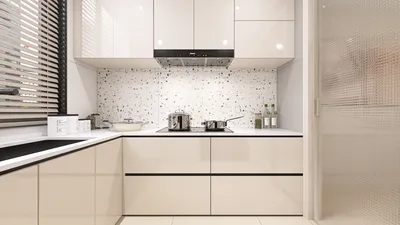


I once transformed a client's dining area with a bold neon coral paint after misunderstanding their request for something "warm and lively." To this day, dinner guests reminisce about that unique choice. This experience highlighted an important lesson: the color of your dining room walls significantly influences the ambiance, while an unwelcome hue can spark unexpected conversations. Especially in smaller dining areas, thoughtful color selections can turn these compact spaces into stunning gallery-like experiences. In this article, I want to present five well-tested color inspirations from my own projects, explain their effectiveness, and offer practical advice to empower you in your color selection journey, all while integrating tools like Homestyler for visualization.
1. Soft Greige — The Versatile Dining Room Favorite
Greige, a harmonious blend of gray and beige, is perfect for keeping a dining area neutral yet inviting. I applied this shade in a narrow townhouse, where it beautifully reflected both warm lamp light and cool daylight, making it ideal for everything from morning coffee to evening wine gatherings. Benefits include its ability to conceal wear and complement wood and brass tones. However, a downside is that it might appear overly gray under dim lighting, so it’s wise to test swatches throughout the day for best results.
2. Deep Teal — A Touch of Drama
Deep teal can transform a small dining space into an intimate, inviting bistro vibe. I painted an accent wall in a rental's dining nook, and guests tended to linger longer, drawn in by the room's cocoon-like comfort. This color pairs beautifully with mid-century furnishings and gold accents, enhancing artworks. Be cautious, however, as it can absorb light; balancing it with reflective or glossy elements, paired with warm lighting, is recommended.
3. Warm Ivory — Timeless and Versatile
Warm ivory is an excellent choice when aiming for an airy atmosphere that's not too stark. For clients with evolving decor tastes, this shade provides a safe, elegant backdrop that complements wood tables and colorful settings. It brightens limited spaces and offers lasting appeal, though it can show smudges more readily than textured finishes, so opting for a washable eggshell can be beneficial, especially in high-traffic areas.
4. Muted Olive — A Subtle Touch of Character
Muted olive is perfect when clients desire color without a heavy commitment. It evokes an earthy sophistication, providing a perfect balance in a dining area with bold navy kitchen cabinets. This hue masks fingerprints well and harmonizes with rattan and ceramics, though caution is advised as it may clash with certain undertones; therefore, it's crucial to compare it to existing textures in the space.
5. Dusty Rose — Cozy and Unexpected
Dusty rose has transitioned out of bedrooms, offering a warmly enveloping ambiance that feels remarkably modern in dining areas. I applied it in a compact condo, creating a festive atmosphere for meals. Its softness mitigates harsh modern lines and pairs wonderfully with brass and wood, but be aware that it may feel very trend-centric; anchoring it with classic furnishings can help maintain equilibrium.
To visualize your layout and colors in 3D prior to making decisions, consider utilizing tools like Homestyler. This can help prevent the headache of unnecessary repainting later on.
Budget Tip: Paint is generally affordable, but hidden costs may arise from preparation, primer, and multiple coats. For rental properties, mid-range washable finishes are recommended; for long-lasting homes, investing in high-quality paint offers better pigments and durability. A practical tip is to create large 12x12" samples on various walls and live with them for several days to observe how different lighting affects the colors.
FAQ
Q1: What is the ideal paint finish for a dining room? A1: Eggshell or satin finishes strike a perfect balance between light reflection and ease of cleaning while minimizing visible brush strokes.
Q2: How do I select a paint color that complements my furniture? A2: Identify a dominant undertone in your furniture (for example, a warm wood will lean towards warm undertones) and select paint with a corresponding color bias for a harmonious look.
Q3: Can dark colors work in small dining spaces? A3: Absolutely — dark shades can lend a cozy feel to smaller rooms when paired with effective lighting and reflective surfaces such as mirrors or metallics.
Q4: How much paint is needed for a dining room? A4: Generally, one to two 1-gallon cans should be sufficient for a standard dining size, but this can vary depending on the wall condition and number of coats required.
Q5: Is it advisable to paint the ceiling a different color? A5: Painting the ceiling a shade lighter than the walls can create an illusion of height; contrasting ceilings provide drama but work best in spaces with more elevation.
Q6: What are some enduring colors I can trust for dining rooms? A6: Neutral warm tones, such as greige and warm ivory, have lasting appeal; consulting reliable color guides, like those from the Pantone Color Institute, can provide valuable inspiration with tested seasonal palettes (Pantone, 2024).
Q7: How do I trial colors before settling on one? A7: Utilize peel-and-stick samples or paint 12x12" patches across multiple walls, checking under various lighting conditions to observe shifts in undertone.
Q8: Is it possible to incorporate bold colors in an open-plan dining area? A8: Yes, using accent walls, area rugs, or strategic furniture placement can help define the dining area without overwhelming adjacent spaces. For a quick digital preview of paint and layout, I often rely on a user-friendly room planner like Homestyler to visualize the interplay of colors and furnishings.
Originally incubated at Autodesk, Homestyler has grown into one of the most widely adopted home design platforms in the world, now trusted by over 18 million users. Whether you're a homeowner exploring ideas or a professional designer delivering client-ready renders, Homestyler brings industry-leading 3D technology to your fingertips — no experience required.
Homestyler is your go-to online home design platform! With its user-friendly design tool, stunning 3D renderings, and a wealth of inspiring design projects and video tutorials, you can effortlessly transform your home into a masterpiece—no prior experience needed!
Diseño ahora GRATIS
































