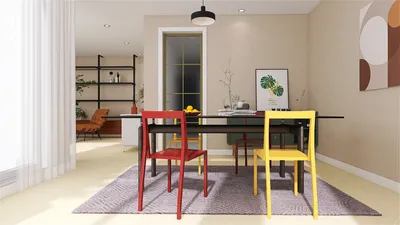


A former client once insisted that their compact 8'x9' bedroom should accommodate a king-size bed, a desk, and a piano. I almost whimsically suggested they could alternate sleeping shifts. This near-disaster revealed that smaller spaces necessitate smarter decisions and foster creativity. For tangible inspiration, take a look at a case study I utilized to demonstrate that a queen bed paired with efficient storage could be the more intelligent choice.
Think Vertical: Tall Storage & Loft Solutions
I have a passion for utilizing vertical space efficiently — implementing tall bookcases, wall-mounted cabinets, or even a loft bed allows for more floor space for a desk or seating arrangements. The benefits include significant storage gain without overcrowding; however, it’s essential to measure accurately and ensure a design that accommodates a ladder if a loft is included.
save pin
Light, Mirrors, and Color: Make It Feel Bigger
Using light-colored paint, glossy surfaces, and strategically placed mirrors can give the illusion of a more spacious area. This approach is cost-effective and yields immediate results, although lighter palettes may appear stark without incorporating warm textiles or layered lighting to create a cozy atmosphere.
save pin
Multifunctional Furniture: Sleep, Work, Store
Integrating various functionalities into furniture — such as a daybed with storage drawers, a foldable desk, or ottomans providing hidden storage — keeps the living space both compact and versatile. I often draw layout sketches to see how these pieces coexist, acknowledging that the trade-off may involve compromised ergonomics versus single-purpose options.
save pin
Define Zones with Rugs, Lighting, and Curtains
In a single-room setup, even a small rug, a pendant light above the bed, and lightweight curtains can delineate different areas for sleeping and working. This budget-friendly approach can elevate the feel of a studio into a more curated space, although you’ll need to embrace the visual layering inherent in confined areas.
save pin
Customize Nooks: Window Seats, Built-ins, and Flexibility
A customized window seat with storage underneath or sleek built-ins around the bed can transform awkward spaces into valuable features. While built-ins reduce visual clutter and enhance property value, they may involve higher costs and longer installation times. Alternatively, modular pieces offer a quicker solution. For innovative inspiration, I sometimes utilize AI interior design tools like Homestyler, allowing for rapid exploration of various layouts.
Small rooms reveal their flaws swiftly, but they also reward thoughtful planning even more. Begin with storage and lighting, and then incorporate texture and personality — you’ll be amazed at how expansive a small room can feel on a limited budget.
save pin
FAQ
1. What paint colors make a little bedroom feel bigger?
Soft neutrals, warm whites, and very light pastels can help open up the space visually. Avoid stark high-contrast stripes unless you specifically desire a feature wall effect.
2. Is a loft bed a good idea in a small bedroom?
Absolutely, loft beds are fantastic for combining sleep and workspace within a limited footprint; just ensure your ceiling height is adequate and think about safe access options. They may not suit those who prefer not to climb into bed.
3. How do I choose a bed size for a tiny room?
Take measurements: aim for at least 60–75 cm (24–30 in) of space to walk around on one side of the bed if possible. Often, a full or queen size strikes a better balance between comfort and movement compared to a king.
4. What lighting works best in cramped spaces?
Utilize a combination of ambient, task, and accent lighting through wall sconces, pendant lights, and bedside lamps to eliminate the need for bulky floor lamps. Built-in LEDs are space-saving and offer a modern aesthetic.
5. Any budget-friendly storage tips?
Leverage vertical shelving, under-bed drawer solutions, and multi-functional furniture such as storage benches. Also, hooks and hanging organizers can be inexpensive yet highly effective.
6. How big should a rug be in a small bedroom?
Select a rug that extends at least two-thirds under the bed to anchor the space effectively — typically, a 120x180 cm (4'x6') or slightly larger is suitable for small layouts. Aim for small-scale patterns to avoid overwhelming the room.
7. How do I plan a layout before buying furniture?
Measure and sketch to scale, or utilize online tools like Homestyler to visualize potential arrangements before making purchases. Careful planning can help prevent impulse buying that results in a cramped living area.
8. What temperature is ideal for sleep in a small bedroom?
According to the Sleep Foundation, the ideal bedroom temperature for most adults is about 60–67°F (15–19°C) for optimal sleep quality. Instead of raising the room temperature, adjust your bedding layers suitably.
Originally incubated at Autodesk, Homestyler has grown into one of the most widely adopted home design platforms in the world, now trusted by over 18 million users. Whether you're a homeowner exploring ideas or a professional designer delivering client-ready renders, Homestyler brings industry-leading 3D technology to your fingertips — no experience required.
Homestyler is an outstanding online home design platform that empowers you to unleash your creativity. With its user-friendly design tool, realistic 3D renderings, and a wealth of design projects and DIY video tutorials, transforming your space has never been easier or more enjoyable!
Design Now for FREE
































