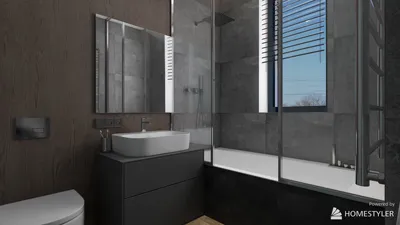


I once had a client who wanted their compact second bathroom to embody both a spa and a coffee shop ambiance — with espresso hues and a touch of eucalyptus steam. This intriguing request nearly pushed me to replace a well-installed tile job, yet it highlighted how small bathrooms encourage innovative thinking: less truly is more, and clever design doesn't have to be dull. If you're considering 1-2 bathroom decorating options, begin by defining your priorities and sketching initial concepts with various bathroom layout ideas to determine what works best.
1. Vertical storage and hidden shelving
I prefer maximizing storage upwards rather than outwards — utilizing tall, slim cabinets and recessed niches in the shower can free up floor space and create an illusion of height. This approach results in extensive storage without visual clutter; however, careful early planning of plumbing and stud locations is essential, as it might slightly increase costs but ultimately promotes tranquility during your morning routines.
save pin
2. Walk-in showers or wet-rooms for one-bath residences
In single-bathroom configurations, I often replace a bathtub with a walk-in shower to enhance flow and usability. This option simplifies access and makes cleaning easier, although it's crucial to ensure robust waterproofing and thoughtful drainage — a lesson I learned the hard way, so I always allocate budget for adequate waterproofing materials now.
save pin
3. Mirrors, layered lighting, and reflective surfaces
Incorporating a large mirror along with layered lighting can significantly double the perceived space and brighten up dark corners; I consistently advise clients to invest in quality vanity lighting and adjustable overhead fixtures. To truly understand how different choices harmonize, why not visualize the outcome using a 3D design tool like Homestyler before committing to purchases? It helps eliminate regrets and unnecessary trips to the store.
save pin
4. Multi-functional fixtures and compact vanities
One of my preferred strategies is utilizing a vanity that includes built-in hampers or drawers that can also function as step stools — this is both practical and a bit playful. The challenge lies in finding durable components within a small space, but opting for modular vanities allows for inexpensive upgrades over time.
save pin
5. Consistent materials and straightforward floor layouts
Applying the same tile or maintaining a uniform color scheme across both bathrooms fosters a sense of harmony in homes with 1-2 bathrooms, making even compact areas feel intentionally designed. If you're looking to experiment with layouts quickly, using a planning tool can help you visualize which arrangements provide optimal flow before any renovation begins — this upfront planning is where I typically save clients significant time and expenses.
save pin
FAQ
Q1: Are these suggestions appropriate for very small bathrooms?
I frequently work with small spaces — many of these strategies are tailored specifically for compact areas. Emphasize vertical storage, large mirrors, and minimizing fixtures to the essentials for the greatest impact.
Q2: Can I maintain a tub if I only have one bathroom?
Yes, but consider using a shallow or alcove tub that can also function as a shower to optimize both bathing and space. If immersion is infrequent, a walk-in shower can enhance daily usability significantly.
Q3: How do I manage ventilation and humidity in a 1-2 bathroom home?
Always plan for a properly sized exhaust fan; I suggest running it for about 20 minutes post-shower. Adequate ventilation prevents mold and preserves finishes, ultimately saving costs in the long run.
Q4: Are larger mirrors worth the investment?
Absolutely — mirrors provide a high return on investment for the perception of space and light. Even affordable framed mirrors can dramatically alter the ambiance of a room.
Q5: What minimum clearances should I keep in mind?
According to the National Kitchen & Bath Association (NKBA), recommended clearances include at least 21 inches in front of a toilet and 30 inches before fixtures where feasible (check NKBA guidelines at https://www.nkba.org/). I always verify these dimensions early in the design phase to prevent costly changes later.
Q6: What budget should I anticipate for a small bathroom upgrade?
Costs can vary based on the scope of work: a light refresh (paint, mirror, lighting) can be relatively inexpensive, while changing out tile and plumbing tends to increase overall costs. I usually provide clients with tiered options so they can balance impact with budget.
Q7: Can I implement any of these concepts myself?
Yes — tasks like painting, swapping out light fixtures, and adding open shelving can often be tackled by homeowners. For waterproofing, plumbing, or electrical matters, I recommend hiring professionals to avoid future complications.
Q8: What's a quick tip to achieve a cohesive feel in a home with 1-2 bathrooms?
Select a common color or material — such as identical floor tiles or coordinating vanity finishes — and incorporate it as a recurring element in both bathrooms. Consistency binds separate spaces together and communicates a thoughtful design rather than an afterthought.
save pin
Originally incubated at Autodesk, Homestyler has grown into one of the most widely adopted home design platforms in the world, now trusted by over 18 million users. Whether you're a homeowner exploring ideas or a professional designer delivering client-ready renders, Homestyler brings industry-leading 3D technology to your fingertips — no experience required.
Discover your home's potential with Homestyler! This user-friendly online design platform offers an intuitive design tool, stunning 3D renderings, and a wealth of design projects and DIY video tutorials. Transform your space effortlessly and unleash your creativity, whether you're a beginner or a seasoned designer!
立即免费设计
































