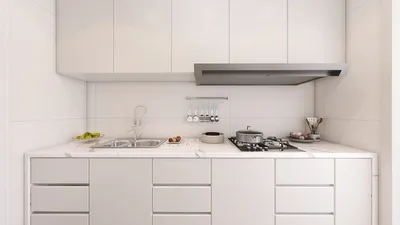


I specialize in designing kitchens that provide dependable water access while ensuring ample storage, efficient circulation, and high hygiene standards. A thoughtfully designed water storage tank in the kitchen—whether it serves to buffer municipal supplies, treat rainwater, or process gray water—can enhance cooking, cleaning, and emergency preparedness, all while maintaining a compact footprint and simplifying maintenance. Utilizing the Homestyler platform can aid in visualizing these configurations during the design process.
In small kitchens and food preparation areas, effective design hinges on flow and ergonomics. It’s essential that task zones, including prep, cooking, and cleaning areas, maintain unobstructed access and clearly defined work triangles. Ergonomic guidelines for standing work heights and reach zones are widely recognized in interior design, and research indicates that well-structured workflows can significantly improve productivity. To ensure health compliance in water quality and sanitary conditions, I synchronize material choices and maintenance practices with the WELL v2 Water concept, which focuses on sediment control, microbial safety, and accessible testing—refer to WELL v2 Water. Additionally, pairing the area around tanks with lighting that meets IES standards enhances visibility in service areas.
Space optimization is crucial in kitchen design. Research from Steelcase highlights the relationship between organized storage solutions and enhanced efficiency, a principle that directly applies to both residential kitchens and small commercial food preparation areas—see Steelcase Research. In my designs, I often position a compact water storage tank within a service bay or under-stair area to maintain supply stability without interfering with primary storage needs. If you’re considering space arrangements, utilizing an intelligent room layout tool like Homestyler can help visualize the placement of tanks, access points, and service routes even before physical changes are made.
Key Design Objectives for Kitchen Water Storage Tanks
My design objectives typically remain consistent: a minimal footprint, safe pressure levels, easy inspection access, cleanable surfaces, and low noise output. The tank should seamlessly integrate into the workflow without disrupting essential tasks and must work in concert with filtration systems, temperature controls, and shutoff mechanisms. For potable water applications, prioritizing FDA-compliant liners and food-grade materials is essential; for non-drinkable applications like rinsing or mopping, other durable materials can be employed, provided they are properly labeled and equipped with backflow preventers.
Placement Strategies That Maximize Storage Efficiency
Placement plays a pivotal role in everyday usability. I recommend the following keys to effective placement:
Ensure 650–800 mm of working clearance in front for maintenance tasks such as inspection and filter changes. In tighter kitchens, use an interior layout planner to map out swing radii for doors, pull-outs, and filling hoses, preventing any overlaps that could hinder operation.
Sizing: Aligning Capacity with Real-World Usage
Determining the right size tank starts with analyzing daily water usage and peak demand. For a family of four, daily dishwashing might require 30–40 liters, depending on the efficiency of the dishwasher, alongside an additional 8–12 liters for cooking and drinking needs. Make sure to include a buffer for municipal outages or peak activity periods. In small café kitchens, maintaining a buffer of 80–120 liters can address high demand for washing and rinsing. Consideration must be given to gravity-assisted tanks for reliability, alongside proper elevation planning, while pressurized systems can decrease downtime and ensure stable flow but should account for expansion needs.
Material Selection and Hygiene Considerations
I typically choose 304/316 stainless steel due to its durability and ease of cleaning. For tighter budgets, food-grade polyethylene is a viable alternative, although it must be UV resistant if exposed. The interior surfaces should be designed to minimize biofilm build-up, where smooth welds, rounded corners, and accessible lids play an important role. Additionally, pairing the tank with a multi-stage filtration system that includes sediment filters, carbon blocks, and UV treatment or heat sanitation when using potable water is critical. Be sure to align maintenance schedules with the WELL v2 Water guidelines concerning filtration access and testing protocols.
Pressure, Expansion, and Safety Measures
Stable pressure is essential for kitchen faucets, mixers, and dishwashers. Incorporating a pressure regulator ensures compliance with appliance specifications; a potable-rated expansion vessel should be included in closed, heated systems. Clearly label non-potable lines to prevent cross-use, and whenever feasible, design the system with a floor-level spill tray that connects to a drain.
Thermal Management and Energy Efficiency
To limit the acceleration of microbial growth, maintain water tank temperatures between 10–25°C. If integrating with hot water systems, insulate pipes and the tank itself to mitigate heat loss. The selection of pumps also significantly impacts energy consumption—opt for efficient, low-noise models, and install them on vibration-isolating mounts to reduce noise transmission into the kitchen environment.
Acoustic Management and Vibration Control
Pumps and fill valves can generate noise that affects living spaces. To mitigate this, decouple the tank from surrounding cabinetry, use mass-loaded vinyl or dense rubber pads, and position pumps away from areas that could amplify sound. In open kitchen designs, enclosing pumps within a pantry with a well-sealed door can greatly reduce noise propagation.
Lighting for Maintenance and Visibility
Service areas require bright, uniformly distributed lighting to facilitate inspections of components such as sight glasses, filters, and valves. Target lighting levels according to IES standards for maintenance tasks, utilizing diffuse LED strips in the 3000–4000K range to highlight sediment without causing glare. Ensure light switches are easily accessible and all circuits are clearly labeled.
Controls, Monitoring, and Data Management
Implementing smart sensors for water levels, leak detection, and automatic shutoff valves lowers risks and simplifies management. Link alarms to the overall kitchen control system or have straightforward local alerts. I advocate for visual redundancy—for example, employing both a mechanical sight glass and a digital level indicator. For potable systems, maintain a testing log and adhere to a regular filter change schedule.
Color Coding and Wayfinding
Using color coding in the plumbing system can drastically minimize errors: blue for potable water, gray for non-potable, red for hot lines, and green for supply lines. In restricted utility spaces, employing painted backgrounds or labeled conduits can aid in rapid identification. Understanding color psychology is also beneficial for reducing stress in decision-making—consider exploring the principles from Verywell Mind on how color influences perception.
Integrating Workflow for Smooth Operations
The water tank should never become a bottleneck in the kitchen layout. Keeping hose bibs and service valves outside the primary cooking axis, routing supply lines above toe-kicks, and ensuring no interference with garbage disposal areas is crucial. It's important to verify that the dishwashing area is accessible, ensuring seamless movement from sink to dishwasher and drying rack. Including a magnetic tool strip inside the service compartment can streamline maintenance without interrupting food preparation.
Promoting Sustainability and Responsible Practices
If your water storage tank collects rainwater or gray water, be sure to include necessary pre-filters, first-flush diverters, and clearly labeled taps for non-potable use. Choosing materials that incorporate recycled content and are designed for longevity can help minimize ecological impact. Stainless steel can be easily recycled at the end of its lifespan; remember to avoid mixed materials that complicate disposal processes.
Installation Essentials
Routine Maintenance Schedule
Perform monthly visual checks, quarterly filter replacements based on usage and manufacturer recommendations, and an annual sanitation flush for potable tanks, along with calibration checks for pressure regulators. Keeping a simple maintenance log inside the access panel can streamline oversight.
Typical Layout Configurations
In a galley kitchen layout, position the tank centrally within the utility area, directly across from the cooking line to prevent service traffic from blocking the prep zone. For L-shaped designs, tucking the tank near the sink minimizes plumbing runs. In island kitchen setups, avoid placing the tank within the island unless robust ventilation and spill control systems are in place; instead, locate it against the pantry wall and run underfloor pipes to access the island. Utilizing the Homestyler layout simulation tool can validate spatial clearances next to waste bins, recycling, and cleaning supplies.
Frequently Asked Questions (FAQ)
Aim for a tank capacity of 60–100 liters to buffer potable water for short outages, increasing to 100–150 liters to accommodate peak demands from dishwashers and necessary cleaning tasks. Always align your capacity with local consumption trends and appliance performance.
The choice of 304/316 stainless steel is optimal for hygiene and longevity, featuring UV and heat resistance alongside easy cleaning properties. Food-grade polyethylene is suitable for budget constraints but necessitates stringent sanitation measures and UV protection under exposure conditions.
To ensure water quality, limit the time water remains in storage, maintain cooler tank temperatures (10–25°C), use sealed lids, integrate sediment and carbon filtration with UV or heat sanitation processes, and establish a schedule for periodic flushing as recommended by WELL v2 Water guidelines.
A water pressure range of 2–5 bar is appropriate for most mixers and dishwashers; utilize a pressure regulator to remain within manufacturer specifications and consider adding an expansion vessel for closed hot water systems.
For optimal tank placement, consider utilizing pantry sidewalls, under-stair spaces, or a dedicated under-counter service compartment complete with a removable access panel. Ensure a service clearance of 650–800 mm and keep clear of primary preparation areas.
Select a quiet, energy-efficient pump mounted on vibration-dampening pads, placed inside a sealed utility enclosure. Adding mass-loaded vinyl acoustic panels can further minimize noise transmission.
Indeed. Clearly marked plumbing lines for non-potable and potable water uses, including backflow preventers and physical separations, are essential. Employing a color-coded system can further prevent errors during operation.
Utilizing bright, diffuse LED lighting in the 3000–4000K spectrum while managing glare in accordance with IES recommendations enhances visibility for inspection tasks. Ensure switches are easily accessible and circuits are clearly labeled for quick reference.
Follow the manufacturer's specified maintenance recommendations; as a guideline, conduct sediment filter changes every 3–6 months, replace carbon blocks every 6–12 months, and maintain UV lamps on an annual schedule. Keep a straightforward maintenance log easily accessible within the access panel.
It's highly advisable. Implementing a drain-connected spill tray or a fitted leak sensor can dramatically reduce risks and simplify the maintenance processes.
Built on technology originally developed at Autodesk, Homestyler empowers anyone to design beautiful, realistic spaces in minutes. Join over 18 million users who have already discovered a smarter way to plan, visualize, and bring their dream homes to life — all from the comfort of a browser.
Discover the ease of home design with Homestyler! This outstanding online platform offers a user-friendly design tool, stunning 3D renderings, a plethora of inspiring design projects, and helpful DIY video tutorials. Transform your space effortlessly and unleash your creativity today!
Desain sekarang Gratis
































