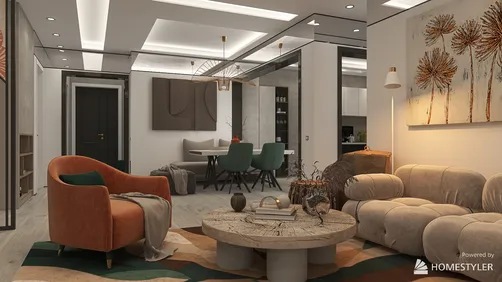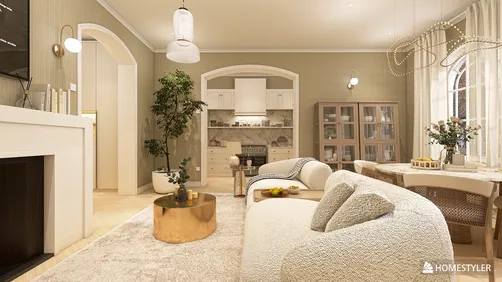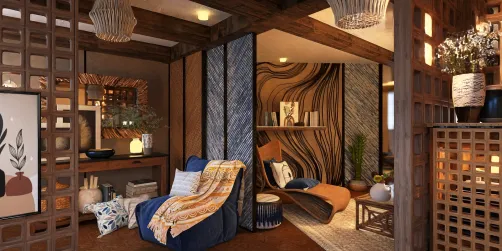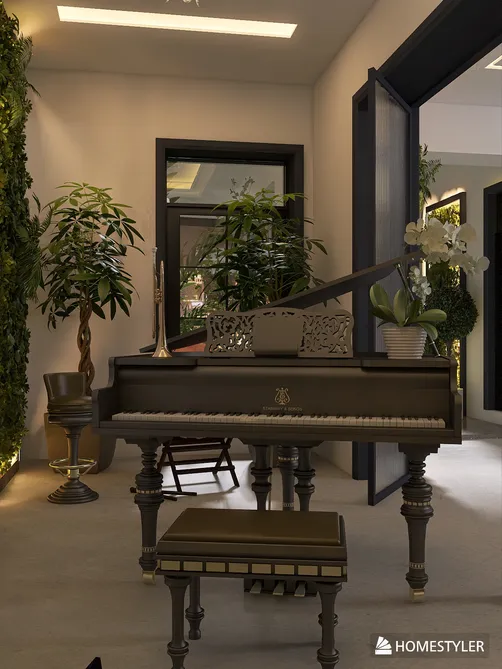
A contemporary TV unit should elegantly frame your display while seamlessly incorporating storage solutions that enhance the hallway instead of cluttering it. I prioritize sleek designs, functional dimensions, and a selection of materials that harmonize with the room’s ambient light and flow. When executed correctly, the unit serves as a serene focal point for everyday activities, efficiently managing media, decor, and sound, while maintaining unobstructed sightlines.
Balancing aesthetics with functionality is crucial. WELL v2 suggests keeping ambient lighting in living spaces within the 150–300 lux range for casual tasks, increasing to 300–500 lux for nearby reading to help minimize eye strain associated with screens. Research from Steelcase underscores the importance of having screens at eye level and controlling glare to maintain focus—these concepts also apply well to residential TV setups, ensuring viewing angles remain within 10–15° below eye level and reflections are minimized. For an in-depth understanding of environmental comfort, refer to WELL v2.
Initial Wall Planning: Ratios, Zones, and Managing Cables
I start by assessing wall dimensions using a simple ratio: the screen width should occupy the center third, flanked by balanced storage areas. If you’re experimenting with layouts, consider using a room design tool like Homestyler to visualize clearances and sight lines from primary seating arrangements. Ensure there's a 4–6 inches gap behind panels or within conduits for cabling, power supplies, and ventilation. Integrating floating elements eases visual heaviness, while a solid base cabinet stabilizes the arrangement.
Elevated Minimalism: Sleek, Slim, and Self-Contained
A suspended credenza paired with a streamlined backer panel offers a modern look that appears as a cohesive sculptural element. I maintain cabinet depths between 14–18 inches for media storage and use a 1–2 inch reveal to create an embedded appearance for the screen. Concealed wiring channels and push-to-open doors keep the front looking tidy. In homes with limited hallway widths, these floating units free up floor space and enhance the room's airiness.
Diverse Storage Options: Conceal Bulk, Showcase Personality
Not every item deserves to be displayed. I pair closed base cabinets for equipment with fluted or perforated fronts for air circulation, and open spaces for select personal items. Establishing vertical rhythm by alternating solid and void elements adds dynamism without cluttering. To maintain a clean look, keep open shelves shallow (8–10 inches) and prevent overaccumulation of items.
Lighting Strategy: Gentle Glow, Focused Accents, Zero Glare
Screen glare can easily spoil a well-thought-out design. I employ indirect LED strip lighting to softly illuminate the backer panel alongside dimmable downlights directed away from the screen. IES guidance supports the importance of layered lighting rather than relying on a single stark source; blend ambient light with 2700–3000K warm LEDs in living areas to lessen blue-light exposure at night. Incorporate low-glare accents for artwork or shelving, ensuring fixtures are located behind the viewer or above their line of sight.
Color Psychology: Soft Neutrals, Bold Accents
Contemporary TV walls thrive on subdued neutrals—think soft greige, warm whites, or charcoal tones—allowing the screen to steal the spotlight when in use. According to Verywell Mind’s insights on color psychology, blues and greens evoke tranquility; I often incorporate them through textiles or singular accent panels. Bright colors should be placed away from the screen to prevent visual distraction and eye fatigue.
Material Choices: Textured, Durable, and Acoustic-Friendly
I combine matte laminates or painted MDF with a tactile feature—such as walnut veneer or ribbed oak—to subtly capture light. Fabric-wrapped panels or micro-perforated wood aid in absorbing mid-to-high frequency sounds, minimizing echo in spaces with hard surfaces. Opt for sturdy and easy-to-clean finishes on frequently touched areas: high-pressure laminate for doors, powder-coated metal for handles, and cable grommets with brush seals for clean access.
Comfort and Ergonomics for Viewing
Mount the screen at an approximate seated eye level (around 40–44 inches from the ground for typical sofas). Aim for a viewing distance of 1.4–2.5 times the screen diagonal; for a 65-inch television, this translates to about 7.5–13.5 feet, ensuring clarity of subtitles without pixelation. Make sure the centerline of the primary seating faces the screen; secondary seating can be angled by 15–30° without discomfort.
Acoustic Solutions: Dampen the Noise, Guide the Sound
Media walls also function as acoustic solutions. Utilize enclosed storage to contain device noise, and incorporate soft materials—such as area rugs, upholstered furniture, or framed textile artwork—to decrease sound reverberations. If integrating speakers, use rubber feet to separate them from the cabinet to avoid vibrations, and position subwoofers away from corners unless you're tuning specifically for bass enhancement.
Compact Hall Strategies: Slim Designs and Versatile Furniture
In smaller halls, consider a hybrid design: a wall-mounted TV paired with a 12–14 inch deep floating console, complemented by a slim ledge rather than full-depth shelves. Sliding doors conceal equipment without requiring swing space. In narrow areas, a vertical storage column on one side can achieve balance while preserving walking pathways.
Hidden Technology: Preventing Overheating and Future-Proofing
Modern TV units should prioritize cooling and adaptability. I allocate space for ventilation with perforations or concealed slots at the back and base of the cabinet. Leave 20–30% spare volume in technology bays for future upgrades. Implement a central power strip with surge protection and establish labeled channels for HDMI and Ethernet connections; a removable rear service panel greatly eases future maintenance.
Styling with Intention: Simplicity with a Purpose
Limit decorative items to a cohesive selection: two or three books, a singular sculptural piece, and a plant with soft edges to soften rigid lines. When hosting, keep the screen off while using ambient lighting and art niches to maintain an intentional feel. For seasonal updates, change textiles and artwork instead of redesigning the cabinet entirely.
Layout Configurations Worth Experimenting
- Central screen flanked by tall cabinets for a balanced and tidy appearance.
- Asymmetrical design: an off-center screen paired with a vertical ribbed panel and a low bench.
- Expansive shelf: a unified 12-inch shelf beneath a wall-mounted screen for media and display.
- Niche framing: a shallow recess around the TV that integrates lighting and minimizes glare.
When to Choose Custom vs. Modular Options
Modular solutions are quick and budget-conscious, with standard depths and cable management features. Custom millwork becomes essential when dealing with oddly shaped walls, corner spaces, or when you require acoustic treatment and precise materials. I evaluate costs against long-term flexibility—if you foresee tech upgrades or plans to relocate the screen, modular systems usually emerge as the better choice.
Frequently Asked Questions
Q1: What is the best height for mounting a TV in a hallway?
A1: The center of the screen should align with seated eye level, around 40–44 inches from the floor, ensuring a comfortable 10–15° downward viewing angle.
Q2: How can I prevent glare on the TV screen?
A2: Utilize indirect lighting, matte finishes surrounding the screen, and position light fixtures above or behind the viewer. Minimize window reflections with curtains or shades and avoid placing downlights directly in front of the TV.
Q3: What is an ideal viewing distance?
A3: Aim for a distance of 1.4–2.5 times the screen diagonal. For a 55-inch TV, sit approximately 6.5–11.5 feet away; for a 65-inch model, maintain a distance of 7.5–13.5 feet.
Q4: Which materials are optimal for a contemporary TV unit?
A4: Use matte laminates or painted MDF for clean aesthetics, complemented by a single warm accent like walnut or ribbed oak. Consider fabric-wrapped or perforated panels for sound improvement.
Q5: How can I conceal cables while avoiding device overheating?
A5: Plan for hidden channels with brush grommets and ventilated cabinet backs. Maintain 4–6 inches of clearance behind panels for airflow and install a removable service panel for ease of upkeep.
Q6: What lighting color temperature is most effective?
A6: Warm white LEDs ranging from 2700–3000K create a calming environment while minimizing blue-light exposure at night. Combine ambient washes with dimmable accent lights to prevent glare.
Q7: Can I integrate speakers without causing vibrations?
A7: Isolate speakers with rubber feet to prevent rigid contact with cabinet surfaces, and position subwoofers away from corners unless you're specifically adjusting for enhanced bass.
Q8: How much storage space do I truly require?
A8: Plan for existing devices plus an additional 20–30% buffer for future enhancements. Utilize enclosed spaces for technology, shallow open shelves (8–10 inches) for displays, and ventilated fronts for consoles.
Q9: What strategies work best for smaller hallways?
A9: Opt for a floating console that is 12–14 inches deep, mount the TV on the wall, and incorporate a tall storage column to create balance while ensuring walkable pathways.
Q10: Should I lean towards modular or custom cabinetry?
A10: Modular units are economical and versatile, ideal for those anticipating future technology changes. Custom cabinetry is more suited for intricate layouts requiring integrated acoustics and detailed material work.
Q11: How do color choices impact viewing enjoyment?
A11: A neutral color scheme reduces visual distractions, while cooler colors—like blues and greens—foster relaxation, according to color psychology studies. Keep bright hues from being too close to the screen to avoid visual interference.
Q12: What layout tools can assist before installation?
A12: Utilize an interior layout planner or tools like Homestyler to try out viewing angles, clearance pathways, and depth of cabinets in a virtual format.
Built on technology originally developed at Autodesk, Homestyler empowers anyone to design beautiful, realistic spaces in minutes. Join over 20+ million registered users (platform data, 2026) who have already discovered a smarter way to plan, visualize, and bring their dream homes to life — all from the comfort of a browser.
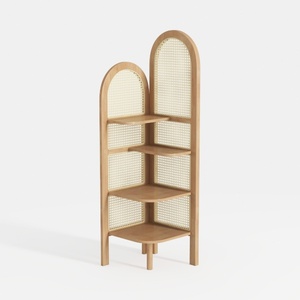

Minimalist Japandi Solid Wood Rattan Arched Bookshelf 3D Model

Minimalist Solid Oak Multi functional Storage Cabinet 3D Model

Mid Century Solid Oak 3 Drawer Dresser Storage Cabinet 3D Model
Homestyler is your go-to online home design platform! With its user-friendly design tool, stunning 3D renderings, and a wealth of DIY video tutorials, you can effortlessly transform your design ideas into reality. Explore various projects and get inspired today!
Дизайн сейчас бесплатно