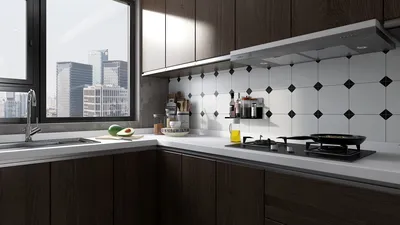


As we move forward, contemporary apartments seem to struggle to keep up with modern living demands: individuals now balance remote work, personalized rituals, and wellness practices in spaces originally designed for previous eras. Data from AIA reveals that smaller yet more intelligent living spaces are becoming increasingly popular, while the NAHB has noted a transition towards flexible utility—signifying that the traditional two-room layout is transforming from a mere concept into a thoughtful strategy. This evolution hints at the future of our living conditions.
spatial reasoning toolkit
Dual-Core Layout: Living + Flexible Suite
Design Concept: The layout includes two distinct rooms that create a public core alongside a flexible suite, which can transform from accommodating guests to serving as a studio space; modern lifestyles thrive on adaptable functions without needing more square footage.
Flow: Entry → storage wall → main living area → sliding door → multifunctional space; a streamlined command path where daily routines are efficiently organized.
Sightlines: Angled views from the entrance to a windowed wall, softened by translucent barriers; the design prioritizes social interactions first, with private areas second.
Storage: Maximized vertical storage around the entry and flex area, characterized by partitions that function like indexed arrays for better organization.
Furniture Fit: Sofa dimensions of 78–84 inches, a table size of 60×30 inches, and a wall bed of 60 inches; ensuring close integration and minimal interference.
Conclusion: This layout remains versatile for five years, accommodating hybrid work, occasional visitors, and evolving hobbies—all supported by the same infrastructure.
save pin
Dual Rooms: Coordinated Functionality
Design Concept: This design features two equally sized rooms functioning as parallel systems—rest and creativity—connected by a narrow circulation spine; future trends favor balanced arrangements over hierarchical ones.
Flow: Entry → spine corridor → left area (sleep) / right area (work); reduced branching logic minimizes decision fatigue.
Sightlines: Managed visual connections through glass clerestories; layered information flows efficiently while maintaining privacy.
Storage: Two wardrobe units equipped with over-door storage; mirrored sections increase retrieval efficiency, resembling paired buffers.
Furniture Fit: Queen bed sized 60×80 inches with 30 inches of clearance on both sides; a desk measuring 48×24 inches plus a dedicated task wall; precise arrangement limits UI clutter.
Conclusion: This scheme accommodates couples or shared living situations, allowing for routines to evolve harmoniously; equality maintains the system’s integrity and prepares it for future adaptability.
save pin
Extended Axis Gallery: Depth Sequence
Design Concept: A gradual transition from lively spaces to serene ones—living room, dining area, and bedroom—acting like a progress indicator; future living requires seamless shifts.
Flow: Entrance → galley kitchen → dining space → lounge → pocket door → bedroom; an event sequence that aligns with daily rhythms.
Sightlines: An aligned series of windows creates an expansive visual field; entry thresholds serve as gentle barriers that regulate exposure to information.
Storage: Elevated drawers, headboard compartments, and corridor cabinets; storage solutions are cleverly integrated into the architecture to maintain efficiency.
Furniture Fit: A dining table of 72×36 inches for six people, a sofa chaise measuring 90 inches, and a dresser sized at 60 inches; designed to fit into a cohesive and orderly layout.
Conclusion: This design endures through the years—accommodating hosting, focused work, and relaxation without interference during various living cycles.
save pin
Final Insights
A two-room apartment can function like an elegantly designed interface when the layout logic is clear, and storage solutions operate silently behind the scenes. Whether referred to as a 2-room design or a compact dual-suite, the proper arrangement of flows and sightlines transforms limited space into a living system rather than an impediment. In my experience, the most intelligently designed homes of the future will not necessarily be more spacious, but will be more thoughtfully curated, especially with tools like Homestyler contributing to this vision.
Built on technology originally developed at Autodesk, Homestyler empowers anyone to design beautiful, realistic spaces in minutes. Join over 18 million users who have already discovered a smarter way to plan, visualize, and bring their dream homes to life — all from the comfort of a browser.


Modern Solid Wood Black Top Adjustable Standing Desk 3D Model
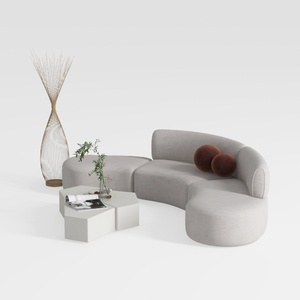
Minimalist Fabric Curved Sectional Sofa 3D Model
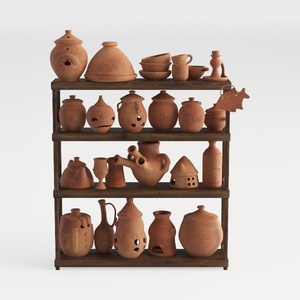
Rustic Terracotta Decorative Pottery Set with Wooden Shelf 3D Model
Homestyler is your go-to online home design platform! With its user-friendly design tool, stunning 3D renderings, and a wealth of DIY video tutorials, you can effortlessly create, visualize, and transform your living space. Dive into inspiring design projects and let your creativity shine!
Concevez maintenant gratuitement
































