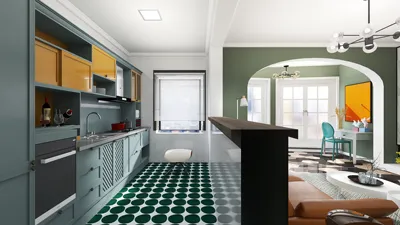


In my experience, there was an occasion when I created a basement laundry room, and my client insisted on incorporating a full-sized dresser into the design — yes, a dresser! This challenge nearly turned a functional laundry nook into an exhibit of mismanaged furniture. That episode taught me the importance of thinking both vertically and digitally. Using innovative 3D layouts, I was able to map the space creatively, preventing similar issues in the future and realizing that compact areas can inspire grand ideas when properly designed.
1. Utilize Vertical Space: Maximizing Efficiency
I often suggest installing a stacked washer and dryer within a tall cabinet. This not only conserves floor space but also creates room for a folding counter or a slim basket. The benefits include significant space savings and a neater appearance; however, one must ensure proper ventilation and access for maintenance, thus planning a shallow utility door or removable panels is essential.
2. Multipurpose Folding Counter: Versatile Surfaces
A drop-down or permanently installed folding counter over the machines is a practical option for swift sorting and folding tasks. This feature can make a small space feel quite luxurious and serves well as a temporary ironing space — just remember to have heat-resistant storage for the iron handy to prevent any laminate damage.
3. Open Shelving with Concealed Baskets: Adaptable Storage
Open shelves can provide an airy and accessible feel, while storage baskets help to conceal clutter. I often combine closed lower cabinets with open upper shelves to achieve a good balance of aesthetics and function. The key is to measure the height of baskets and the swing of doors carefully to avoid constant rearranging.
To visualize proposed changes before they are finalized, exploring space-saving designs with tools like Homestyler can be very beneficial. This allows you to test proportions and clearance effectively.
4. Mini Wet Zone: Compact Utility Sink and Stain Station
Incorporating a compact utility sink can feel like a small luxury and is surprisingly cost-effective. It is perfect for pre-treating stains or hand-washing delicate fabrics; however, keep in mind that plumbing can add up — it's wise to place the sink near existing drains or plan for a slimline pump system.
5. Combined Mudroom and Laundry: Dual Functionality
Integrating a laundry section with a mudroom bench and hooks can transform chaotic entryways into organized spaces. This design is particularly suitable for busy households but remember to include washable bench cushions and ensure adequate ventilation to prevent damp items from developing odors. I’ve found using AI-driven mockups, like those offered by Homestyler, can expedite client approvals — compelling visuals can effectively convey the concept before the actual layout is realized.
FAQ
1. What are the top laundry room ideas for small areas?
I recommend utilizing stacked appliances, fold-down counters, vertical shelving, a compact sink, and merging mudroom features. Prioritizing movement and clearances is essential for functionality.
2. How much clearance is necessary in front of washer and dryer?
Typically, you should provide at least 30 to 36 inches in front of the machines to allow for comfortable loading and folding. Always measure door swings and plan for detergent storage to maintain an uninterrupted workflow.
3. Is it feasible to place a washer and dryer in a closet?
Absolutely — closet laundry setups can be effective if you ensure proper ventilation, sufficient clearance, and maintenance access. Select appliances that are suitable for stacking or closet installation and refer to the manufacturer's guidelines for minimum spacing requirements.
4. Is a utility sink essential in a laundry room?
While not strictly necessary, a sink is highly useful for stain pre-treatment, hand washing, and cleaning larger items. If plumbing is problematic, consider portable sinks or systems utilizing glycol-based pumps.
5. How can I maintain a fresh smell in my laundry room?
Ensuring good ventilation (with an exhaust fan or an occasionally open window), utilizing washable fabrics, and placing a small container of baking soda for odor absorption are effective strategies. Consistently cleaning trap filters and seals will also help prevent mildew accumulation.
6. Which appliances are the most energy-efficient for a laundry space?
High-efficiency washers and ENERGY STAR-rated dryers consume less water and energy. According to ENERGY STAR, certified clothes washers can substantially decrease both water usage and energy expenditure compared to standard models.
7. How should I budget for a small laundry renovation?
Identify your priorities: costs for appliances and plumbing will likely be the most substantial, followed by cabinets and flooring. A modest refresh focusing on storage and surfaces can be executed on a tighter budget, while a complete redesign will require a greater investment.
8. Where can I find layout ideas before starting a renovation?
Collect images of appealing layouts, draft dimensions, and test visual concepts using a simple floor plan to prevent costly errors. Mockups and case studies can be invaluable in helping clients visualize the anticipated results and minimize change orders.
What began as an Autodesk innovation has evolved into a design platform used by more than 18 million people around the globe. Homestyler combines powerful rendering, an intuitive editor, and a vast furniture library to help you turn inspiration into photorealistic designs — whether you're redesigning a single room or planning an entire home.
Discover Homestyler, the ultimate online home design platform! With its user-friendly design tool, stunning 3D renderings, and a wealth of DIY video tutorials, you can effortlessly create and visualize your dream space. Perfect for both beginners and seasoned designers looking to unleash their creativity!
Diseño ahora GRATIS
































