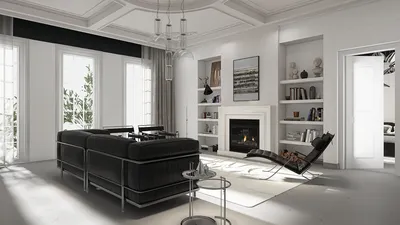


A client once challenged me to transform a living room wall into the appearance of glazed porcelain tile, all while using just a roller and a small budget of $30. While I didn’t quite achieve the porcelain effect, this quirky request highlighted the significance of having the right roller and implementing smart painting techniques for small spaces. By thinking creatively, you can truly optimize your painting process without exerting extra effort.
1. Choose the appropriate nap: thinner for ultra-smooth surfaces
For finished drywall or plastering jobs, I typically opt for a nap thickness of 3/16" to 1/4". This choice allows the paint to apply smoothly and thinly, avoiding unsightly brush marks. The benefit is a finish that resembles a near-spray application, but remember, it may not hide imperfections well, thus, proper preparation like filling and sanding becomes crucial.
save pin
2. Consider the material: microfiber, foam, or woven
Microfiber roller covers can provide an ultra-smooth finish while holding paint efficiently. Foam rollers can achieve a glass-like shine on glossy paint finishes but may bubble on textured surfaces. Woven covers, though often more expensive, minimize lint shedding—making them ideal for final application layers, which I often note to my clients as an essential trade-off.
save pin
3. Roller sizes and lint management: 9" versus mini rollers
Using a 9" roller enables quick coverage over walls while maintaining a consistent finish. In contrast, a 4" mini roller is perfect for smoothening edges and detailing without the hassle of switching tools frequently. If you are gearing up for a room makeover, it's wise to plan which roller sizes will suit your project best; mini rollers are excellent for touch-ups but are slower for large wall spaces.
save pin
4. Techniques to adopt: load, roll, and keep a wet edge
Utilizing a quality paint tray and evenly loading your roller is essential to avoid unintentional drips. I teach a W or M rolling technique followed by light cross-rolling to help even out the texture; it can be forgiving but requires practice. Be prepared for a learning curve if you are transitioning from using only brushes; however, the results are definitely worth the effort.
save pin
5. Final touches: edges, poles, and inspection
Employing edge rollers alongside a sturdy extension pole can help you achieve a professional finish without needing a ladder. For a thorough assessment, I often leverage realistic 3D visualization tools like Homestyler to anticipate any color or sheen surprises before the paint sets. Taking this small additional step can save significant touch-up time later.
save pin
FAQ
Q1: What nap thickness is best for achieving smooth wall finishes? I recommend a nap thickness of 3/16" to 1/4" for smooth drywall as it allows for thin paint application, resulting in an excellent finish. Thinner naps can reveal imperfections, so proper preparation is key.
Q2: Are microfiber rollers superior to woven ones? Microfiber typically offers a silkier appearance and retains paint better, while woven covers are more durable and shed less lint—your choice should depend on the type of paint and your budget.
Q3: Is it true that foam rollers yield an exceptionally smooth finish? Indeed, foam rollers can create an ultra-smooth sheen on glossy or semi-gloss paints, though they can react poorly on textured surfaces, leading to unwanted bubbles if not used correctly.
Q4: How can I prevent lint on a freshly painted surface? To avoid lint, invest in a quality lint-free roller cover and ensure to wash or prepare it as per the manufacturer's guidelines; lightly back-rolling can also help eliminate trapped fibers before applying the main coats.
Q5: Is the 9" roller always the best option? The 9" roller is very effective for larger areas and provides quick coverage. However, retaining a 4" or 6" mini roller will aid in reaching trims and tight spaces. Finding the right balance between roller sizes can reduce fatigue and enhance control during painting.
Q6: What technique provides the best coverage? Employ the W or M rolling method while maintaining a wet edge, followed by light cross-rolling to help blend any overlaps and roller lines seamlessly.
Q7: Is there official advice regarding roller nap selection? Based on Sherwin-Williams' guidelines, a 1/4" nap is ideal for smooth to lightly textured walls, whereas thicker naps are meant for rougher surfaces (according to Sherwin-Williams technical data).
Q8: How should I clean and store rollers between painting sessions? To keep your roller from drying out during brief pauses, wrap it in plastic. For longer breaks, use warm water for latex paints or the suitable solvent, then ensure the roller is stored dry to prevent mildew.
save pin
Originally incubated at Autodesk, Homestyler has grown into one of the most widely adopted home design platforms in the world, now trusted by over 18 million users. Whether you're a homeowner exploring ideas or a professional designer delivering client-ready renders, Homestyler brings industry-leading 3D technology to your fingertips — no experience required.
Looking to transform your space? Homestyler is your go-to online home design platform! With an easy-to-use design tool, stunning 3D renderings, a wealth of design projects, and engaging video tutorials, you can unleash your creativity and bring your vision to life effortlessly.
Progetta ora GRATIS
































