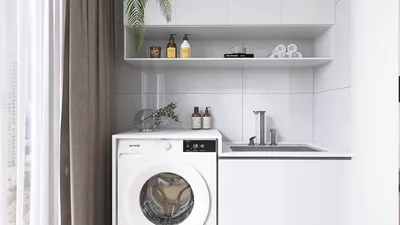


I had a client once who was adamant about using the exact same greige hue in every space — including the ceiling and even the laundry basket — and it nearly brought me to tears in the paint store. However, that experience taught me a valuable lesson: employing a singular color can enhance the perception of space, foster tranquility, and offer surprising versatility when approached as a foundational element rather than a final choice. For a practical illustration, consider an intriguing case study on small room layouts.
1. Layering Textures with a Single Hue
I often recommend using one color throughout different areas, combined with a variety of textures — such as matte plaster, satin-finished cabinetry, woven rugs, and shiny tiles — to keep the eye engaged. This approach fosters unity and a serene flow, while the challenge is to prevent flatness, which I expertly resolve by incorporating varied finishes and metals.
save pin
2. Adding Contrast with Natural Elements
When a space is unified by one color, natural materials truly stand out. I frequently introduce warm wood accents and abundant greenery to inject life and depth into the design; reusing reclaimed wood or thrifted planters can be very budget-friendly. The downside? Regular plant care and proper sealing of wood are necessary, but the resulting warmth is substantial without the need for another paint hue.
save pin
3. Experimenting with Trim and Ceiling Colors
Using the same color for both trim and ceilings can create a seamless, contemporary appearance, while contrasting trim adds character to the rooms. For those on a budget, I recommend planning changes digitally first — sometimes employing the free demonstration of Homestyler to visualize various ceiling and trim treatments before committing to paint. The trade-off is that matching trims may conceal detail, which can detract from the charm of architectural features if that is an aesthetic preference.
save pin
4. Infusing Patterns and Scales through Accessories
In a visually cohesive environment, I advocate for incorporating patterns through textiles, artworks, and rugs — larger bold patterns in one space, complemented by smaller motifs in another — to establish a lively rhythm. This method serves as an effective strategy for rejuvenation while being gentle on the wallet since swapping cushions is far more economical than a full repaint. However, maintaining pattern harmony across spaces requires a discerning eye.
save pin
5. Varied Saturation for Zoning
I often apply the same base color but adjust its saturation for different zones: a deeper shade for the dining area, a lighter tone for hallways, and a mid-tone for the bedroom. This creates a cohesive feel throughout the home while allowing each area to establish its unique mood. For instance, in a recent project, I utilized various saturation levels in my kitchen layout example to ensure a smooth flow and balance of natural light. The primary challenge lies in maintaining consistent undertones across rooms to avoid clashing when viewed together.
save pin
FAQ
Q1: Will adhering to a singular color throughout my home make it appear smaller?
A consistent color scheme generally enhances the feeling of spaciousness and continuity by minimizing visual distractions. To counter monotony, integrate textures, diverse finishes, and varied lighting.
Q2: What color should I select for a monochromatic scheme throughout the house?
I suggest choosing a neutral tone with a distinct undertone (be it warm or cool) for easy accessorization. It's important to test large paint swatches in various light settings before finalizing your decision.
Q3: Is it challenging to sell a home painted entirely in one color?
Well-executed neutral monochrome palettes typically attract buyers, as they provide a versatile backdrop. However, using bold single colors can be divisive, so consider market-friendly neutrals if resale value is a concern (Source: insights from Benjamin Moore).
Q4: How can I add warmth without altering the paint colors?
Incorporate warm wood tones, inviting metals, layered lighting, and textiles featuring warm hues; these quick and reversible enhancements don’t require any paint changes.
Q5: Is it advisable to use the same color on trim and ceilings?
Certainly — painting both trim and ceilings the same color creates a modern, unified aesthetic while concealing imperfections, though it may downplay traditional architectural elements if those are a priority.
Q6: What are some cost-effective methods to keep a monochrome design engaging?
Absolutely — swap out textiles, introduce plants, change lightbulbs for either warmer or cooler hues, and consider using peel-and-stick tiles or removable wallpaper for temporary patterns.
Q7: How can I ensure the color undertones remain consistent across different rooms?
Always purchase paints from the same brand and batch, and test the colors in various rooms at different times of day, as undertones can become evident under diverse lighting conditions.
Q8: Any quick advice for beginners attempting a single-color home design?
Begin on a small scale: paint a hallway and a single room the same hue, living with it for a month. Utilize mockups, samples, and digital visualizations through tools like Homestyler to gauge the potential impact prior to a comprehensive rollout.
What began as an Autodesk innovation has evolved into a design platform used by more than 18 million people around the globe. Homestyler combines powerful rendering, an intuitive editor, and a vast furniture library to help you turn inspiration into photorealistic designs — whether you're redesigning a single room or planning an entire home.
Discover the ease of home design with Homestyler! This user-friendly platform offers a powerful online design tool, stunning 3D renderings, and a wealth of inspiring design projects and DIY video tutorials. Transform your space effortlessly and unleash your creativity today!
Progetta ora GRATIS
































