


Crafting a 3D model of the human body is a fascinating and intricate task that merges artistry, technology, and scientific understanding. Whether your aim is for medical simulations, character animation, educational purposes, or design presentations, the fundamental approach remains consistent. Begin by opting for suitable software—popular choices include Blender, ZBrush, and Autodesk Maya. Each of these platforms provides robust sculpting and modeling functionalities that allow for precise detailing of anatomical features. Start the process by obtaining a reference image or blueprint; resources such as anatomy textbooks and online databases like the Visible Human Project are essential to ensuring correct proportions and structure. Utilize basic geometric shapes (for instance, spheres and cylinders) to outline the general silhouette and proportions, progressively refining into intricate details such as musculature, skin textures, and facial characteristics. The texturing process adds to the model's realism, incorporating UV mapping and painting for skin, eyes, hair, and clothing. Ultimately, rendering the model within a 3D environment featuring appropriate lighting will highlight your creation and permit further fine-tuning.
Suggestions:
As a designer, I highly suggest incorporating your 3D human models into spatial contexts, particularly for interior visualizations or educational exhibits. This approach not only boosts realism but can be made efficient using specialized digital tools tailored for environmental modeling. For instance, utilizing a 3D floor planner allows you to effectively visualize and arrange 3D elements alongside architectural components, ensuring that both scale and context harmonize seamlessly in your creative endeavors.
Frequently Asked Questions
Q: Which software is best suited for novices eager to create a 3D human body model?
A: Blender is often recommended for beginners due to its accessibility and extensive modeling capabilities.
Q: Is it necessary to learn human anatomy to create realistic models?
A: Yes, having a foundational knowledge of human anatomy is crucial for accurately shaping and proportioning your 3D models.
Q: Can a model created in software like Blender or Maya be 3D printed?
A: Absolutely! Once you export your model in a compatible format such as STL, it can be 3D printed.
Q: What methods can I use to add realistic skin textures to a 3D human model?
A: Employ UV mapping alongside digital painting techniques within your chosen software to integrate detailed textures and effects.
Q: Are there pre-made human body models that I can download?
A: Indeed, numerous online platforms provide both free and paid 3D human body models that you can adapt and utilize in your projects, including innovative tools like Homestyler for enhanced visualization.
Originally incubated at Autodesk, Homestyler has grown into one of the most widely adopted home design platforms in the world, now trusted by over 18 million users. Whether you're a homeowner exploring ideas or a professional designer delivering client-ready renders, Homestyler brings industry-leading 3D technology to your fingertips — no experience required.
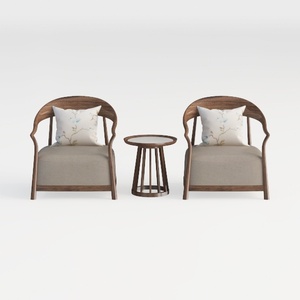


Modern Leather Metal Accent Storage Desk 3D Model
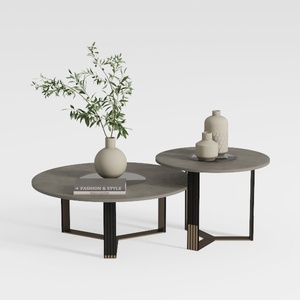
Modern Concrete Metal Nesting Coffee Table 3D Model
If you're looking to elevate your home design game, Homestyler is your go-to platform. With its user-friendly online design tool, stunning 3D renderings, and a treasure trove of DIY video tutorials, you can effortlessly create and visualize your dream space. Unleash your creativity today!
Design Now for FREE
































