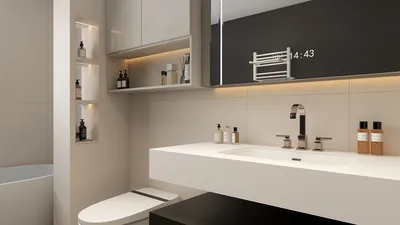


In the realm of digital art today, utilizing AI for training 3D models requires a profound understanding of the interaction between artificial intelligence and digital design. Mastering the core keywords is vital in this process. Here are the initial steps to get you started!
Step 1: Choose Your 3D Model
Selecting the right 3D model is crucial. Ideally, you should opt for a model that is detailed enough for the AI to grasp shapes, colors, and textures. Consider picking a model that offers multiple angles to give the AI a comprehensive understanding of the design.
Step 2: Gather Artistic Data
You need to compile a collection of artistic images that resonate with the aesthetic you intend to train your model with. This dataset should encompass various styles and aspects related to the 3D model. Never compromise on quality—high-resolution, clear images will yield the best results! Incorporating tools like Homestyler can also assist in visualizing your data effectively.
Step 3: Set Up the AI Training Environment
Deploy an AI training environment using platforms like TensorFlow or PyTorch. These platforms offer comprehensive libraries and tools suited for machine learning and AI art generation. Ensure you have robust hardware, as this process can be resource-intensive.
Step 4: Input Data into the AI
It’s time to allow the AI to learn! Feed your 3D model along with the gathered artistic data into the AI framework. Monitor the training process and adjust the parameters as necessary to achieve optimal learning outcomes.
Step 5: Evaluate Output Results
Once training is complete, use your AI model to generate artwork and critically assess the results. Does the output meet your expectations? If not, consider revisiting the dataset or tweaking the training parameters to enhance the outcome.
Step 6: Fine-tune and Iterate
AI training is an iterative journey. Don’t hesitate to modify the model and conduct multiple training sessions until you reach satisfactory results. This phase may require patience but is essential for refining your AI artistry skills.
Frequently Asked Questions
Q: Why are platforms like TensorFlow and PyTorch highly recommended? A: They provide extensive libraries and support for machine learning, making them invaluable resources for AI projects.
Q: Do high-end GPUs improve training speed and output quality? A: Yes, powerful GPUs can significantly accelerate the training process and enhance the quality of the results.
Built on technology originally developed at Autodesk, Homestyler empowers anyone to design beautiful, realistic spaces in minutes. Join over 18 million users who have already discovered a smarter way to plan, visualize, and bring their dream homes to life — all from the comfort of a browser.

Minimalist Solid Stone Oval Coffee Table 3D Model
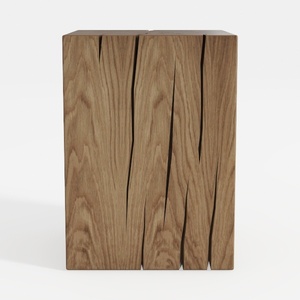

Minimalist Solid Oak Carved Side Table 3D Model
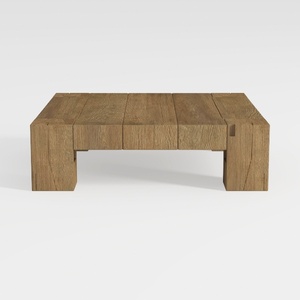
Rustic Solid Oak Wood Coffee Table Minimalist Living Room 3D Model
Homestyler is your go-to online home design platform! With its user-friendly design tool, stunning 3D renderings, diverse design projects, and helpful video tutorials, bringing your interior vision to life has never been easier. Start transforming your space today!
Design jetzt kostenlos
































