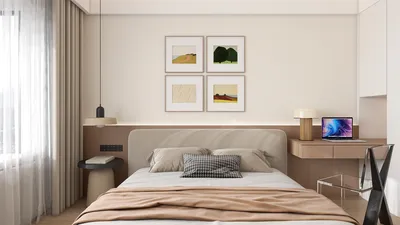


Interior decorating seamlessly blends creativity with functionality, transforming spaces into aesthetically pleasing and practical environments. At its essence, this practice enhances the interior of buildings to foster healthier and more visually appealing settings for occupants. Interior decorating involves various components, such as color palettes, furniture choices, spatial layout, and decorative accessories that reflect the unique style of the inhabitants. Decorators must grasp their clients' needs and preferences, finding the perfect balance between functionality and aesthetics. They typically begin by evaluating the space, taking into account elements like natural light, layout, and existing architectural features before crafting a design strategy. A pivotal element of interior decorating is color usage, as it profoundly affects the atmosphere and mood of a room. Light colors can create the illusion of spaciousness and brightness, while darker shades introduce warmth and drama. Texture also plays an essential role; mixing different materials can provide depth and intrigue to a space. Furthermore, selecting the right furniture is vital, as it should complement the space and harmonize with the overall design theme. Whether embracing a minimalist approach or an eclectic blend, furniture choices can significantly influence the overall aesthetic. Accessories such as artwork, area rugs, and indoor plants enhance the décor, allowing for personal expression and making a space feel homely. Interior decorators must stay updated on the latest trends and innovations within the industry to keep their designs fresh and relevant. Moreover, practical aspects like lighting, storage solutions, and spatial flow are crucial to ensure that the designs cater to the client's lifestyle. Ultimately, the goal of interior decorating is to craft spaces that are visually appealing, functional, and comfortable. Whether redesigning a single room or an entire residence, the aim is to create environments that elevate the quality of life for their occupants. As technology progresses, so does interior decorating, with software tools available to aid decorators in visualizing their concepts and collaborating effectively with clients. Platforms like Homestyler provide an extensive library of furniture models and design inspiration, allowing decorators to experiment with various layouts and styles before finalizing their selections. To summarize, interior decorating is a multifaceted field that intertwines art, design, and psychology to create spaces that resonate with those who inhabit them. It requires a keen eye for detail, a passion for design, and a profound understanding of human needs and preferences.
Tips 1:
When embarking on your interior decorating journey, always consider the purpose of each room and the lifestyle of its users to curate a harmonious and functional space.
FAQ
Homestyler's roots trace back to Autodesk, the global leader in design and engineering software. That heritage lives on in every feature we build. Today, with a community of more than 18 million users worldwide, Homestyler continues to make professional-quality interior design accessible to everyone — from first-time decorators to seasoned architects.
welcome to Homestyler
Design Now for FREE
































