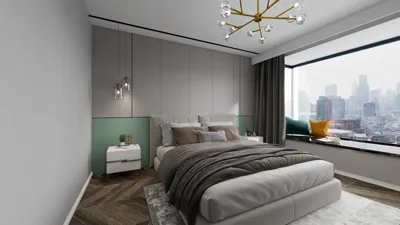


Over the last ten years, I’ve noticed a shift in living hall design from elaborate decoration to sleek, character-rich spaces. Compact areas especially challenge us to innovate by playing with colour distribution, wall textures, and finishes—elements that transform a room’s atmosphere dramatically. This article offers five proven living hall colour ideas drawn from my hands-on experience and industry insights, enhanced with practical advice from Homestyler tools.
Soft Neutrals with Warm Hues
From my experience redesigning a cozy 20㎡ living hall for a young couple desiring calm yet inviting vibes, a subtle beige with peach undertones opened up the space while maintaining warmth. Warm neutral tones enlarge small living halls visually and provide a friendly backdrop. According to a 2023 Houzz survey, 42% of homeowners favor neutral walls for their enduring adaptability. However, these tones may appear muted under gray skies; pairing them with bright accents or light oak furnishings—similar to minimalist kitchen storage concepts—can maintain balance and harmony throughout your home.
Dramatic Deep Blue Accent Wall
In a client’s downtown loft, introducing a rich navy feature wall behind the sofa quickly became the highlight, adding sophistication and a sense of depth without compromising space. Dark accent walls convey modern luxury and make lighter furniture stand out through natural contrast. One caveat: excessive use in dim rooms can feel overwhelming, so moderation is essential. Enhancing this with white ceilings and abundant lighting, plus brass décor elements akin to glass backsplash designs in airy kitchens, achieves an elegant balance—an effect easily visualized with Homestyler’s rendering capabilities.
Earthy Green Shades for Natural Serenity
Inspired by nature’s calming palette, I painted a client’s reading nook in muted sage green, creating a rejuvenating mini-retreat. Earth tones align perfectly with indoor greenery, supporting the growing biophilic trend proven by The WELL Building Standard to enhance psychological wellbeing. Attention to shade selection is vital, as overly vibrant greens might distract. Pairing these colours with natural textures—linen cushions and wool rugs—provides tactile comfort. In open floor plans, arranging living and kitchen areas with efficient L-shaped counters keeps the green connection flowing seamlessly.
Two-Tone Walls Enhancing Spatial Perception
For narrow living halls, dividing the wall into a darker shade below and a lighter tone above helps the eye perceive increased height and openness. This design approach adds subtle visual interest while clearly defining zones, ideal for compact urban apartments. Precision is critical; clean lines often require painter’s tape or a narrow trim to avoid uneven transitions. Scandinavian-style furniture pairs well here, creating a crisp, airy ambiance. Planning such features is straightforward using tools like Homestyler’s virtual design interface.
Textured Paints Adding Dimension and Character
To avoid wallpaper yet maintain unique wall character, a client opted for a textured paint with a stucco-like finish, imparting depth and tactile appeal. This technique conceals minor wall flaws effectively and provides a custom appearance, though it demands more time and skilled application. For flexible décor updates, subtle textures are advisable as bold finishes might limit future style choices. Homestyler can simulate textured surfaces to preview the effect before application.
Conclusion
Small living halls should be seen as opportunities to innovate with colour and design. As spatial psychology studies reveal, strategic use of paint influences perception, creates ambiance, and unifies interiors cost-effectively. Incorporating the perfect living hall colour can revitalize your space—tools like Homestyler make experimenting with palettes and layouts easier than ever. Which of these ideas are you excited to try in your home?
FAQ
1. Which colours visually expand a small living hall? Light tones such as soft beige, pale gray, and off-white enhance light reflection, making spaces appear larger and brighter.
2. Are dark shades practical in small living halls? They are best used as accent walls to add depth without overwhelming the room’s scale.
3. How should I pick my living hall colour? Assess daylight exposure, existing décor, and desired atmosphere; always sample colours before finalizing.
4. Are textured paints long-lasting? Premium textured paints tend to be durable but high-traffic areas might require occasional touch-ups, based on Sherwin-Williams guidance.
5. Can I combine multiple wall colours in limited spaces? Absolutely; techniques like two-tone approaches or contrasting accents provide visual interest while maintaining openness.
6. Does the paint finish affect appearance? Yes. Matte finishes mask imperfections, satin glides on easy cleaning, and gloss reflects more light but highlights flaws.
7. How frequently should I repaint my living hall? Usually every 5–7 years, or sooner if you notice fading or damage.
8. Can paint colour influence room temperature? Slightly—light colours reflect heat, keeping rooms cooler, while dark hues absorb warmth, though insulation plays a larger role.
Originally incubated at Autodesk, Homestyler has grown into one of the most widely adopted home design platforms in the world, now trusted by over 18 million users. Whether you're a homeowner exploring ideas or a professional designer delivering client-ready renders, Homestyler brings industry-leading 3D technology to your fingertips — no experience required.
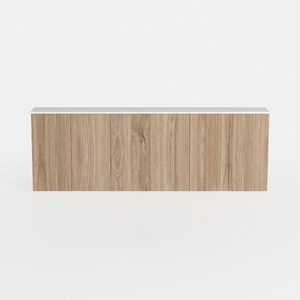
Minimalist Solid Oak Wood Wall Mounted Cabinet 3D Model
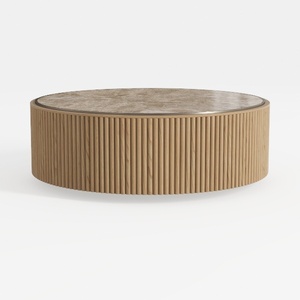
Modern Fluted Solid Wood Marble Top Round Coffee Table 3D Model
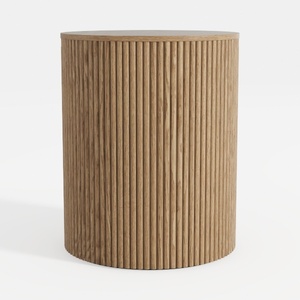
Minimalist Fluted Oak Round Side Table 3D Model
Design your ideal space with Homestyler, turn your creativity into reality, and craft a unique home style that is truly your own.
Zaprojektuj teraz za darmo
































