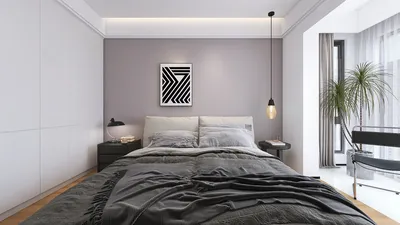


Once, I took on the challenge of repainting a client's entire small living room at midnight due to their overwhelming dislike of the dark wood paneling that affected their sleep. This experience taught me that the right paint can be both therapeutic and strategic. Utilizing a 3D design tool, such as Homestyler, allowed us to visualize the room before committing to any paint purchases, effectively saving us a week of indecision. In small spaces, clever design decisions are crucial; featureless paneling can transform into a charming backdrop with the right approach.
1. Comprehensive Coverage with Bonding Primer and Light Shades
For deeply grooved or glossy panels, I prefer applying a quality bonding primer followed by a light, warm white paint. The adhesion provided by the primer is crucial — it prevents peeling and conceals tannin bleed-through. The result is a clean and uniform finish that brightens the entire space, though it requires an extra step of drying and sanding, which is truly worth the effort.
save pin
2. Two-Tone Horizontal Design to Enhance Space Perception
I frequently divide the wall colors horizontally: a darker tone below and a lighter tone above, ideally at chair-rail height or just above the midway point. This technique visually adjusts the ceiling's height based on your color choice while being budget-friendly due to using less of the pricier paint. The challenge lies in precise measuring and taping, which makes using a laser level essential, along with a touch of patience for flawless results.
save pin
3. Paint the Grooves, Then Lightly Sand for Texture
Rather than filling every groove, I prefer to paint the entire paneling and then lightly sand the raised sections to let a subtle grain show through. This method softens the look of the paneling while maintaining that inviting wood aesthetic. It's suitable for renters wanting warmth without a long-term commitment, though it can be a bit messy; tackling it during a calm weekend and wearing a mask is advisable.
save pin
4. Bold Accent Colors on Trim and Built-Ins
If your space includes built-in shelves or moldings, I typically paint these features in a bold accent while keeping the paneling neutral. This approach highlights functional elements and updates the room without requiring major renovations. One consideration is that these strong accents may show scuffs more easily, so opting for durable finish paint and being prepared for touch-ups is wise. Planning your accent colors with a quick floor plan helps ensure balance with the furniture.
save pin
5. Vertical Stripes or Ombre Effects for Increased Height
In rooms with low ceilings, I often suggest using thin vertical stripes or a subtle ombre wash to draw the eye upwards. Stripes can modernize dated paneling, while an ombre effect can seamlessly blend uneven boards into a cohesive look. Although this requires careful execution — including quality tape and sample testing — it's particularly important in kitchens to visually map out layouts with Homestyler first, ensuring your accents coordinate with appliances and cabinets.
save pin
Frequently Asked Questions
Can I paint wood paneling without removing it?
I generally paint over existing paneling. Clean the surface, sand or scuff it lightly, apply a bonding primer, then finish with a topcoat. Removing paneling is often unnecessary and more labor-intensive.
What type of primer works best on wood paneling?
I suggest using a bonding, stain-blocking primer, especially for knotty or veneered panels. Sherwin-Williams highlights that stain-blocking primers prevent tannin bleed and enhance topcoat adhesion (https://www.sherwin-williams.com).
Do I need to sand the paneling before painting?
Typically, light sanding or scuffing is sufficient to remove gloss and provide the primer with a better surface to adhere to. Deep sanding is only necessary for severely raised grain or flaking finishes.
Which paint finish is optimal?
I find that eggshell to satin finishes work best for walls — they're durable for cleaning while soft enough to hide imperfections. High-gloss can highlight flaws and is better suited for trim work.
How many paint coats will be necessary?
Generally, two topcoats after the primer are needed; darker colors or strong contrasts might require three. Be sure to allow each coat to dry completely according to the manufacturer's instructions.
Can I maintain visibility of the wood grain?
Absolutely — using a tinted primer or thin paint wash, then sanding back the raised areas can preserve the wood's warmth while updating the color palette.
Is painting paneling a suitable option for renters?
Often yes, though it's best to check your lease agreement. Using removable or low-VOC paints facilitates easy touch-ups with minimal odor.
When can I move furniture back into the room?
Allow at least 24–48 hours after the final coat for normal use; full curing can take up to two weeks depending on humidity and paint type.
save pin
Originally incubated at Autodesk, Homestyler has grown into one of the most widely adopted home design platforms in the world, now trusted by over 18 million users. Whether you're a homeowner exploring ideas or a professional designer delivering client-ready renders, Homestyler brings industry-leading 3D technology to your fingertips — no experience required.
Homestyler is your go-to online platform for home design! With its user-friendly design tool, stunning 3D renderings, and a wealth of inspiring design projects and video tutorials, you can effortlessly create the home of your dreams—whether you're a novice or a seasoned designer.
Desain sekarang Gratis
































