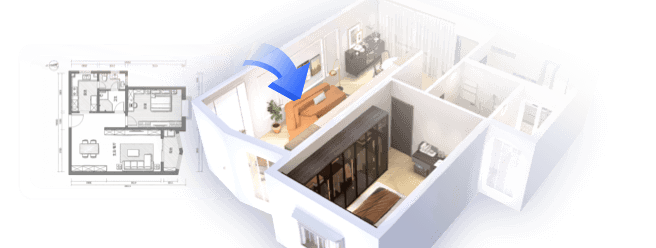
I once took on the task of painting a small Victorian porch for a client with a very tight budget, only to be surprised by the unexpected costs of lead primer removal — the invoice felt like an unexpected plot twist. This experience reminded me of the importance of planning for surprises and ensuring that clients can visualize layout options (and project scopes) prior to commencement. Tackle small spaces and limited budgets creatively, as they can lead to significant ideas, much like exterior paint projects.
1. Establish a clear scope and realistic measurements
Budgeting for painting starts with precise measurements, as most contractors calculate exterior painting costs based on square footage, number of stories, and linear trim feet. Prices typically range from $1.50 to $4.00 per square foot, meaning a 2,000-square-foot home usually falls between $3,000 and $8,000 depending on preparation requirements and local labor rates.
save pin
2. Emphasize preparation; it's where savings begin
Thorough preparation (like pressure washing, scraping, caulking, and minor carpentry) helps prevent premature paint failure. Although it increases upfront costs, good preparation extends the life of the paint and reduces the need for earlier repainting. Expect preparation costs to account for 20–40% of the total project, and be aware that skipping this step can result in higher expenses in just a few years.
save pin
3. Choose paint quality with longevity in mind
High-quality 100% acrylic exterior paints often come at a higher price per gallon ($40-$70 and up) but offer better resistance to fading and mildew. I usually suggest investing a little more to enhance repainting intervals. If your budget is tight, focus on painting prominent areas first and postpone less visible walls.
save pin
4. Include access and safety costs in your budget
Houses with significant heights, steep roofs, or intricate trim may require scaffolding or lifts, potentially adding $300 to $1,500 to your project. I recall a split-level job where the scaffolding nearly doubled the trim work costs, but the advantage was achieving higher-quality results and reducing the likelihood of callbacks.
save pin
5. Use color and finish selections to enhance value
Selecting a durable finish and a harmonious color scheme can enhance curb appeal without unnecessary spending. Before making a decision, consider testing a small sample and visualize the facade with a 3D rendering — this can prevent costly missteps once the paint is dry.
save pin
Practical budget scenarios
As a general guideline: a small bungalow (800–1,200 sq ft) typically costs $1,500–$4,000; a medium residence (1,200–2,500 sq ft) ranges from $3,000 to $8,000; while larger or upscale homes may reach anywhere from $6,000 to $15,000 or more. Keep in mind these are approximate figures — local labor costs, siding types, and preparation can significantly influence the total price.
save pin
Cost-effective ideas that maintain aesthetics
For those on a budget, I suggest concentrating on key areas: repaint the front door and trims, rejuvenate porch sections, or power wash and touch up high-traffic zones. For more extensive transformations, take advantage of Homestyler to create 3D previews, allowing you to prioritize changes that will make the most significant visual impact relative to your investment.
save pin
Maintenance and durability
Properly applied exterior paint can endure between 5 to 15 years based on climate, exposure, and paint type. Schedule regular maintenance — such as cleaning gutters, performing touch-ups, and making wood repairs — to avoid needing full repaints sooner than necessary.
save pin
FAQ
Q1: What is the typical cost for painting a house's exterior?
Average costs fluctuate, but homeowners usually spend between $3,000 and $8,000 for a standard single-family home; the final price is contingent on house size, preparation needs, and local labor rates.
Q2: How much does preparation work increase the overall price?
Preparation generally represents 20–40% of the total costs due to tasks like pressure washing, scraping, and minor repairs; omitting these steps often compromises longevity and elevates long-term expenses.
Q3: Is it possible to cut costs by doing the painting myself?
While DIY can lower labor expenses, it increases the time involved and the likelihood of mistakes, especially when working at heights. For single-story homes with simple siding, it might be feasible, but for complicated multi-story structures, hiring professionals is advisable.
Q4: What is the usual timeframe for exterior painting?
Most average-size homes require 3 to 7 days from preparation to completion; weather conditions and drying times can delay this. Always plan for unexpected situations when scheduling.
Q5: Which type of paint finish is best suited for exteriors?
Low to medium sheen acrylic paints provide optimal weather resistance and ease of cleaning for most exterior surfaces. While matte finishes conceal imperfections, they can be more challenging to maintain.
Q6: Does painting the exterior increase home value?
Absolutely — an appealing, well-selected exterior color enhances curb appeal and can positively affect buyers’ perceptions, often yielding an impressive return on investment upon resale.
Q7: Where can I find reliable pricing information?
For national averages and detailed breakdowns, industry resources like Angi (previously HomeAdvisor) offer comprehensive guides and regional estimates that serve as a solid foundation for price benchmarking.
Q8: How should I go about selecting a contractor?
Aim to receive at least three written quotes, verify references and images of similar projects, ensure contractors have insurance and provide clear warranties, and prefer those who can articulate their choices for preparation and paint brands in detail.
save pin
Homestyler's roots trace back to Autodesk, the global leader in design and engineering software. That heritage lives on in every feature we build. Today, with a community of more than 20+ million registered users (platform data, 2026) worldwide, Homestyler continues to make professional-quality interior design accessible to everyone — from first-time decorators to seasoned architects.
Discover the ease of home design with Homestyler! This user-friendly online platform offers a robust design tool, stunning 3D renderings, and a wealth of design projects and video tutorials. Whether you're a novice or a pro, bring your creative visions to life effortlessly!
Desain sekarang Gratis