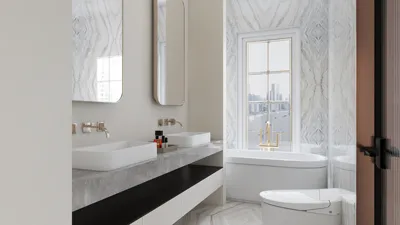


A client once asked me to paint their whole home’s brick exterior a vivid neon pink to 'match the flamingo pool float.' I made it through that meeting (the float remained pink, but the house thankfully did not), and the experience taught me how critical paint selections can be for a home's facade—small decisions can ignite big creative ideas. If you're hesitant about making a commitment, consider using tools like Homestyler to visualize your color choices beforehand; seeing them in a mockup helped us avoid a glaring mistake.
1. Let the Texture Shine: Whitewash or Thin Coat
I adore whitewashing bricks because it preserves the mortar lines and texture while subtly softening color. The benefits are clear: you maintain the character of the bricks, resulting in a look that feels both lived-in and classic. However, it's essential to note that whitewash isn't a permanent solution—over time it can fade and might require touch-ups every few years, but many find that this trade-off is worthwhile for its charm.
save pin
2. A Sleek Modern Aesthetic: Solid Masonry Paint
Opting for a full-coverage approach—where the brick is painted a uniform color—provides an instant modern facelift while concealing mismatched bricks or repairs. This bold choice is durable with the right type of masonry paint and significantly enhances curb appeal. However, one downside is that you will lose some of the natural texture and must ensure excellent surface preparation and priming for durable results.
save pin
3. Highlight Architectural Features: Two-Tone and Trim Contrast
One effective technique is to paint the bricks in one color while choosing a contrasting shade for the lintels, sills, and fascia to accentuate your home's architecture. This strategy is relatively cost-effective and provides depth to the facade. If you’re particular about the lines, it requires some patience—or the deftness of a steady hand—but painter's tape and small brushes can help achieve crisp edges. For quick visualizations of proportions and color pairings, I often utilize digital mockup tools like Homestyler before making paint purchases.
save pin
4. Select Breathing Finishes: Limewash and Mineral Paints
Older or historic brick structures typically benefit from using breathable finishes such as limewash or mineral paint, which allow moisture to escape and reduce the risk of peeling. These finishes exhibit a gentle, chalky appearance that develops beautifully over time. However, they may not deliver the same intensity of color as latex paints and might necessitate more frequent reapplication. For untreated or aged bricks, this often proves to be the safer long-term choice.
save pin
5. Experiment Relentlessly: Samples, Swatches, and Mockups
My guiding principle is to avoid making decisions impulsively after just sampling one paint chip. Instead, paint multiple 2x2 ft patches on different walls and observe them at various times of day, like sunrise and sunset. If you want to eliminate some guesswork, using digital mockup tools to visualize designs can provide insight into scale and lighting. A practical tip: opt for sample pots at first—if you fall in love with a color, you’ll have what you need for touch-ups or expanding coverage.
save pin
FAQ
Q1: What is the best type of paint for exterior brick?
For full coverage, it’s recommended to utilize high-quality exterior masonry paint or elastomeric coatings; for older bricks, opt for breathable options like limewash or mineral paint.
Q2: Do I need to clean brick before painting?
Definitely—using a pressure washer or scrubbing with a masonry cleaner is essential to remove dirt, efflorescence, and loose paint, which ensures better adhesion and longevity for your paint job.
Q3: Should I apply primer on brick surfaces?
Yes, it's crucial to prime bare or porous brick with a masonry primer to seal it and enhance paint adhesion, thus reducing the number of finish coats required.
Q4: Is it possible to revert painted brick to its natural state?
Usually, yes, but the process can be labor-intensive. Techniques like chemical strippers, sandblasting, or meticulous sanding can be used; it’s advisable to consult a professional to prevent damage to the brick.
Q5: How long can I expect exterior brick paint to last?
With proper preparation and quality materials, full-coverage masonry paints can last between 7 to 15 years; limewash might need refreshing every 3 to 7 years depending on weather exposure.
Q6: Should I paint the mortar or leave it natural?
Painting the mortar can create a seamless, modern appearance or modify contrast levels; however, keeping the mortar natural maintains the texture and authenticity of the structure. Ultimately, it's a stylistic choice reflecting your maintenance preferences.
Q7: Can I paint brick that is damp or has been previously painted?
Avoid painting any damp brick as moisture may result in peeling. If brick has been previously painted, it must be thoroughly checked for loose paint and adequately prepped, typically involving scraping and priming.
Q8: Where can I find expert advice on brick painting?
Many reputable paint manufacturers provide detailed, step-by-step guides; for instance, Sherwin-Williams offers comprehensive instructions for preparing and painting brick surfaces (Sherwin-Williams, https://www.sherwin-williams.com/).
save pin
Originally incubated at Autodesk, Homestyler has grown into one of the most widely adopted home design platforms in the world, now trusted by over 18 million users. Whether you're a homeowner exploring ideas or a professional designer delivering client-ready renders, Homestyler brings industry-leading 3D technology to your fingertips — no experience required.
Homestyler is an outstanding online home design platform that empowers you to create stunning interiors effortlessly. With its user-friendly design tool, impressive 3D rendering, a wealth of design projects, and helpful DIY video tutorials, you can easily transform your home into a dream space. Start designing today!
立即免费设计
































