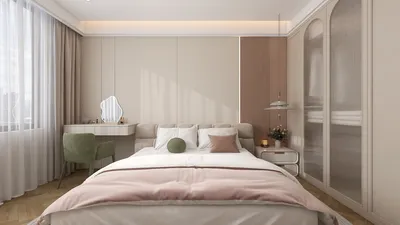


As we look towards the future, lifestyles are evolving to compress time while expanding choices. Today’s bungalows on the ground floor often face challenges with fragmented layouts and limited storage. Insights from the NAHB indicate that homebuyers consistently favor functional layouts over merely expansive square footage. This underlines the necessity for a spatial reasoning toolkit that prioritizes efficiency over size. In this design for a 4-bedroom bungalow layout, I illustrate a vision where rooms operate as coordinated systems instead of random arrangements. By utilizing tools like Homestyler, homeowners can optimize their space effectively.
Garden Spine Featuring a Dual-Living Core
Design Rationale: The living and family areas serve as the backbone of the layout, creating an axis that harmonizes social interaction with moments of quiet relaxation—modern households require an ability to multitask without disruptions.
Flow: Starting from the entryway to the foyer buffer, moving into the formal living area (which welcomes eastern light), then into the family lounge, followed by the dining area and concluding at the garden terrace; the traffic pattern flows smoothly, akin to threads managed by a scheduler.
Sightlines: Structured yet layered; the journey moves from the door to the foyer, then into the living space and out to the garden; each opening regulates visual focus, minimizing any cognitive overload.
Storage: Wall-mounted cabinetry serves as strategic storage points, with seating areas near the terrace, and a slim pantry adjacent to the dining space for quick access and organized tidiness.
Furniture Arrangement: Featuring a sofa approximately 90 to 95 inches, twin lounge chairs, and an 8-seat dining table at a depth of 36 inches; modular coffee tables ensure pathways maintain a clearance of 42 inches for optimal human ergonomics.
Conclusion: This core layout supports daily routines—social, reflective, and outdoor activities—effectively preparing for the future of hybrid living.
save pin
Split Private Wing: Two Primary Suites and Two Secondary Rooms
Design Rationale: These two suites serve as essential hubs for multi-generational living or adaptable work-life balance; the secondary rooms can easily transform from studies to sleeping areas without major alterations.
Flow: From the living area to a short corridor leading to Suite A (facing the garden) and Suite B (buffered by the street), then to bedrooms three and four; door placements are staggered to prevent interference between spaces.
Sightlines: The corridors twist slightly, providing privacy while ensuring that views are directed towards sunny spots rather than door frames, creating a calming visual experience.
Storage: Each suite includes walk-in wardrobes for ample storage, with linen closets mid-corridor and under-bed storage for seasonal items.
Furniture Arrangement: King's bed dimensions at 78" x 72" for the suites, with queen-sized setups in the secondary rooms; 24" nightstands and 48" desk options with a circulation clearance of 36".
Conclusion: This wing functions like a version-controlled repository—private, adaptable, and equipped to meet evolving needs.
save pin
Service Loop: Island Kitchen, Utility, and Garage Drop-off
Design Logic: Current kitchens serve as command hubs; the connection between the utility and garage areas establishes a seamless supply chain for daily tasks.
Flow: From the garage drop to the mud alcove, then utility, into the kitchen island and finally to the dining space; the layout is designed to facilitate groceries and laundry without interfering with guest pathways.
Sightlines: The kitchen island is positioned for optimal viewing towards the dining area and garden terrace, allowing for a clear connection from cooking surfaces to social gatherings; tall cabinetry discreetly hides mess from the formal living area.
Storage: Pantry space is designed at 24" depth, with pull-out larders and overhead storage at 15"; the utility area offers vertical storage for cleaning supplies and a fold-down counter for quick tasks.
Furniture Fit: A 9 to 10-foot island pairs with a 36" cooktop area, with 18" pull-outs and 42" aisle clearances; breakfast stools complement the setup without obstructing movement.
Conclusion: This service loop transforms maintenance into a silent, efficient routine, perfect for future readiness and a serene living environment.
save pin
Final Thoughts
A successful 4-bedroom ground-floor bungalow layout thrives when flow, sightlines, and storage options function as a finely tuned interface. Variants like multi-generational suites and garden-connected living areas ensure adaptability to changing work-life dynamics. Ultimately, the best 4-bedroom ground-floor plans focus on intentional design rather than mere size. Based on my experiences, the smallest design decisions can significantly redefine our daily living patterns, a fact that can be effectively visualized with tools like Homestyler.

Natural Green Vine Wall Panel Decorative 3D Model
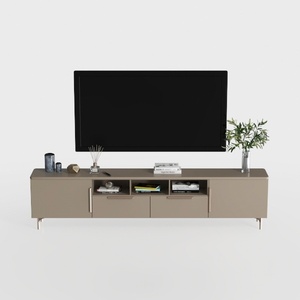
Modern Minimalist Solid Wood TV Stand Cabinet with Storage 3D Model
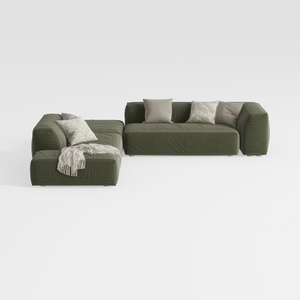
Minimalist Modern Fabric L Shaped Sectional Sofa with Throw Pillows 3D Model
Homestyler is your go-to online design platform for transforming your ideas into reality. With a user-friendly design tool, stunning 3D renderings, and a wealth of inspiring design projects and tutorials, you can confidently create your dream space. Explore and innovate effortlessly!
Concevez maintenant gratuitement
































