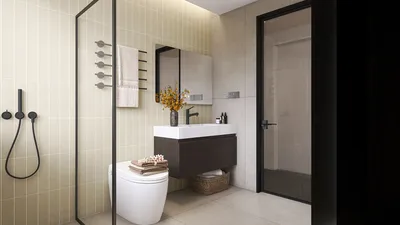


When organizing a party hall for 50 attendees, it's essential to prioritize factors like capacity, flow, and comfort. Based on my experiences, optimal results occur when the area corresponds with the event's layout, furniture is appropriately scaled, and essential services such as lighting, acoustics, and catering are harmonized. In general, a seated banquet demands about 12-15 square feet per person, while a standing cocktail party can work with around 8-10 square feet per guest, according to well-established facility planning standards referenced in workplace and hospitality research. Thus, for 50 guests, approximately 600-750 square feet is ideal for a seated dinner, whereas 400-500 square feet would suffice for a cocktail event. Furthermore, the WELL v2 framework emphasizes the significance of quality lighting and sound in enhancing guest comfort, offering valuable recommendations on glare and noise reduction that directly contribute to a pleasant event atmosphere. One effective tool for visualizing this process is Homestyler, which assists in creating a layout that ensures optimal guest experience.
The experience your guests have is greatly influenced by the elements of light, sound, and space configuration. The Illuminating Engineering Society (IES) recommends a brightness level of 150-300 lux for social areas, complemented by warmer color temperatures of around 2700-3000K to encourage relaxation and social engagement. For task-focused areas, like buffet labels and bar preparation, brighter lighting of 300-500 lux with excellent glare control is necessary. From my experiences, using layered lighting—ambient, accent, and task—helps to create flattering visuals and activate corners, while sound clarity improves when reverberation is minimized through soft materials and careful sound diffusion. These elements are foundational; they are the framework for a truly unforgettable gathering.
Effective Space Planning for 50 Attendees: Ratios, Flow, and Flexibility
Right-sizing the space is crucial. For seated meals, target 5-6 round tables (60-66-inch diameter) accommodating 8-10 individuals each, plus necessary staff clearances. Ensure there’s 48-60 inches of space between tables along main aisles to facilitate smooth movement for both servers and guests. For cocktail setups, arrange 8-12 high-top tables spaced out to reduce clustering, maintaining 36-42 inches of circulation between furniture clusters. When exploring setups—banquet vs cocktail—a room layout tool like Homestyler can help simulate paths from entrances to bars and restrooms, identifying potential bottlenecks before guests arrive.
Entrances, Thresholds, and Initial Impressions
The welcome experience sets the overall mood. Reserve 50-70 square feet for a vestibule or greeting area, allowing space for greetings and coat management, with clear sightlines to signage and main activities. Think about using a visually appealing shallow focal wall or floral feature that complements photographs without obstructing guest flow. Position the welcome desk in a way that directs guests to naturally disperse, reducing congestion at the entrance.
The Bar, Buffet, and Service Stations
Choose a location for the bar that is visible but not the focal point, typically placed slightly off-center in the main area. A length of 12-16 linear feet suffices for serving 50 guests, ensuring there's room for service and a queue lane of at least 36 inches. Buffets should not be directly across from the bar; their staggered arrangement helps manage foot traffic. If implementing dual buffet lines, symmetry and clear separation of queues are vital to avoiding conflicts. Ensure back-of-house routes are clear, allowing staff to operate seamlessly without disrupting guests.
Seating Diversity and Social Interaction
Incorporate a mix of seating types to enhance energy levels: comfortable lounge areas for in-depth conversations, high-top tables for casual socializing, and banquettes for defined conversation spots. I advocate for a 60/40 approach, with 60% flexible seating and 40% fixed arrangements to facilitate last-minute adjustments. It's important to maintain sightlines between key areas like the entry, bar, and stage, allowing guests to navigate effortlessly without relying heavily on signage.
Lighting Layers: Creating Ambiance, Clarity, and Photogenic Moments
Aim for ambient lighting levels around 150-200 lux while enhancing accent lighting on focal points such as stages, desserts, and decorative features. Maintain a warm color temperature (2700-3000K) for evening events, reserving higher temperatures (3500K+) exclusively for areas where color accuracy is paramount (like menus or preparation spaces). Reduce glare by appropriately positioning fixtures and angling downlights to avoid reflection. Design lighting to accentuate guests’ features—uplights behind foliage or soft wall washers create depth without harshness. Utilizing dimmer controls and preset scenes can create seamless transitions during the event from arrival, to toasts, to dancing.
Acoustic Comfort: Managing Noise Levels for Energy
With 50 guests, echo can escalate quickly in rooms with hard surfaces. Incorporate soft materials like area rugs, draperies, and upholstered seating to absorb sound, while employing diffusive elements such as slatted wood displays. Position speakers to face the audience—not the ceiling—and ensure the stage is away from main traffic areas. Background music levels should stay below conversation levels, only increasing during specific program segments.
Color Psychology and Material Selection
Opt for warm neutrals complemented by bold color accents (like deep teal, oxblood, or amber) to cultivate a welcoming atmosphere without overwhelming guests visually. In my observations, mid-tone colors maintain natural-looking photographs and foster relaxation. According to insights from Verywell Mind, colors with a warmer tone enhance feelings of comfort and friendliness. Combine these colors with tactile materials: velvets or bouclé for lounge areas, matte ceramics as bar backs, and warm wood grains for added coziness. Durable materials with high-cleanability scores are essential, especially in high-use party venues.
Stage and Programming Considerations: Ensuring Visibility and Engagement
Elevate small stages by 6-12 inches for better visibility while avoiding isolation from the audience. Maintain a minimum of 10-12 feet from the first row to the stage to allow for sound dispersion and guest comfort. Provide an ADA-accessible route to the stage for events that include diverse speakers. Conduct sightline tests using a straightforward interior layout planner to avoid surprises once the event lights are activated.
Back-of-House Logistics, Storage, and Safety
Even for a 50-guest event, a solid support system is necessary. Allocate 80-120 square feet for staging trays, glassware, and linens. Include a mop sink and sufficient trash stations, ensuring they are discreet. Clearly post evacuation plans and maintain a minimum clearance of 36 inches for exits. If candles are utilized, favor enclosed options and ensure flames are away from flammable materials like drapes or dried flowers.
Sustainability Practices and Efficient Clean-Up
Establish a waste separation station with clear labeling. Opt for LED lighting to enhance efficiency and minimize heat emission, and consider using reusable decor items (like modular florals or rented props) to decrease single-use waste. Durable tabletops and fabrics that are easy to clean can extend their lifespan, reducing replacement needs and overall costs.
Workflow Checklist for Event Success with 50 Guests
- Confirm the event format: seated banquet or cocktail reception.
- Calculate square footage requirements: 12-15 square feet per guest for seated events, 8-10 square feet for standing arrangements.
- Use a layout simulation tool such as Homestyler to map guest flow from the entrance to the bar and restrooms.
- Specify lighting layers: ambient at 150-200 lux, enhanced accent lighting, and task areas at 300-500 lux.
- Design acoustics with soft materials, and place speakers to achieve uniform coverage without echo.
- Balance types of seating to maintain social dynamics, aiming for a 60/40 ratio of flexible to fixed seating.
- Ensure proper separation between bar and buffet areas and maintain clearances of 36-60 inches throughout.
- Establish adequate storage and service corridors, protecting key exit paths.
- Prepare scene settings for transitions, ensuring thorough testing occurs pre-event.
Frequently Asked Questions
For a seated dinner, budgeting around 600-750 square feet (12-15 square feet per person) is advisable. For a cocktail-style gathering, 400-500 square feet (8-10 square feet per person) is typically sufficient, allowing for clear movement and effective service stations.
Ambient light should reach levels of 150-200 lux with a warm color temperature of 2700-3000K to ensure guests look their best. Raise accent lighting in key areas and maintain task zones at 300-500 lux for specific needs. This aligns with IES guidelines.
For seating, utilize 5-6 round tables accommodating 8-10 people each, ensure 48-60 inches between tables in main aisles, and keep service routes accessible behind seating arrangements. Consider adding lounge areas for increased adaptability.
Position the bar slightly off-center to reduce congestion; provide about a 12-16 ft counter length and a queue lane of 36 inches. Arrange buffet and bar areas to facilitate smooth guest movement.
Incorporate soft finishes—like rugs and drapes—and strategically angle speakers towards the audience for optimal sound. Set background music to levels that do not hinder conversation until the program calls for increased volume.
Warm neutral colors paired with rich accents can promote sociability and photograph beautifully. Research indicates that warmer shades enhance feelings of comfort and friendliness, which is essential for social events.
Maintain a seating ratio of 60% flexible to 40% fixed, utilize furniture with glides for easy rearrangement, choose dimmable lighting options, and test multiple layouts with an interior planning tool before finalizing the design.
Ensure at least 36 inches of clearance in exit routes, avoid decor obstructing exits, and choose enclosed candle styles if flames are required.
A slight riser (6-12 inches) can enhance visibility for speeches and short programs; ensure ADA compliance and unobstructed sightlines from seating areas.
Designate 80-120 square feet for bussing, glassware storage, linen storage, and a mop sink while keeping these areas out of guests' views with dedicated service pathways.
Homestyler's roots trace back to Autodesk, the global leader in design and engineering software. That heritage lives on in every feature we build. Today, with a community of more than 18 million users worldwide, Homestyler continues to make professional-quality interior design accessible to everyone — from first-time decorators to seasoned architects.
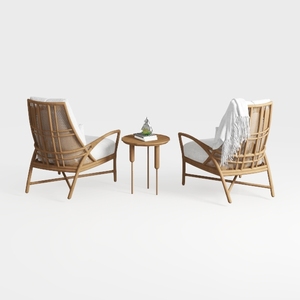
Bohemian Rattan Fabric Armchair and Side Table Set 3D Model
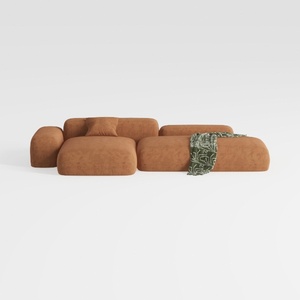
Minimalist Brown Fabric Modular Sectional Sofa 3D Model

Minimalist Solid Oak Fabric Upholstered Dining Chair 3D Model
Homestyler is your go-to online platform for home design! With its user-friendly design tool, stunning 3D renderings, and an array of DIY video tutorials, you can effortlessly transform your space and unleash your creativity. Perfect for both beginners and experienced designers!
지금 무료로 디자인하세요
































