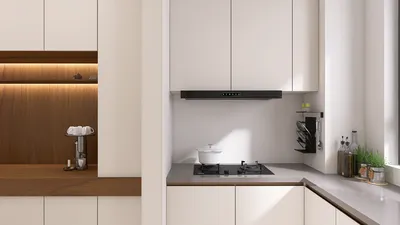


Compact cold rooms require doors that provide effective sealing, operate smoothly without occupying additional space, and endure frequent thermal stress. In constrained areas such as small utility rooms or narrow service corridors, the choice of door significantly influences both usability and energy efficiency. I focus on door configurations that curtail air leakage, minimize interference with surrounding spaces, and optimize workflow.
Energy loss from inadequately sealed doors can be significant. Research from Steelcase indicates that even minor layout inefficiencies can lead to noticeable operational impacts; similarly, door obstructions in limited corridors can lead to prolonged opening times and greater exposure to unconditioned air. According to WELL v2 standards, enhancing thermal comfort and air quality is essential, translating in cold rooms to achieving airtight conditions and reducing infiltration. This forms the foundation when I specify gasket systems, closer adjustments, and threshold solutions. Furthermore, Gensler's research offers valuable insights about how micro-barriers can hinder performance, providing indirect lessons for optimizing maintenance and stocking flows through cold room entries.
In tight spaces, selecting the appropriate door is crucial. My initial steps include assessing the clear opening width, potential obstruction arcs, and the necessary turning radii. If layout simulations reveal conflicts between swing paths and movement flows, I often opt for sliding or bi-parting doors to eliminate space conflict. For effective layout adjustments, I utilize interior layout planners like Homestyler to visualize dimensions and clearances in relation to shelving and refrigeration units.
Essential Door Types for Space-Constrained Cold Rooms
Insulated Swing Doors: These are often the preferred option for smaller rooms with predictable traffic patterns. I seek out models with a high-density polyurethane core, thermal breaks in frames, and continuous magnetic gaskets for effective sealing. Low-profile handles and high-lift hinges are ideal to mitigate friction and prevent floor damage. Accurate calibration of door closers is vital to avoid slamming while ensuring the integrity of seals is maintained.
Sliding Doors (Single or Bi-parting): When swing doors are not practical, sliding options offer a space-saving solution. Overhead rail systems eliminate threshold trip issues. It’s crucial to ensure the presence of brush seals or compression gaskets at the head and sides; in humid areas, I recommend installing anti-condensation heaters in the rail enclosures to avoid sticking. Sliding doors enhance thermal efficiency by reducing open exposure, but precise alignment is necessary to uphold airtightness.
Automatic Operators: In settings where hands-free access is critical, such as in food service or healthcare environments, motion-activated or foot-operated systems minimize door open times and help conserve conditioned air. It’s essential to select models rated for low-temperature conditions; adding heater cables around gaskets and thresholds can prevent freezing.
Maximizing Airtightness, Thermal Breaks, and Hardware Specifications
The functionality of cold rooms largely depends on effective seals. I prioritize continuous compression gaskets, adjustable strike plates, and thermal break frames in my specifications. I favor field-adjustable gasket carriers to accommodate seasonal humidity variations, ensuring that sealing dynamics can be tuned as required. Incorporating anti-sweat heating elements around frames and viewing windows is also important for managing condensation, particularly in areas with high ambient humidity.
The hardware selected must be rated for cold environments; I rely on stainless steel latches, low-temperature lubricants, and corrosion-resistant fasteners. Adding kick plates can protect lower panels in tight spaces where carts frequently pass. If the cold room is accessible, I consider panic release hardware to ensure emergency egress is prioritized.
Clearances, Workflow, and Shelf Coordination
In confined areas, door conflicts can become magnified. It’s essential to maintain a clear opening that aligns with primary shelving pathways to allow carts to navigate without needing to pivot at the door's threshold. I ensure shelf depths are adjusted to avoid encroachment into the plane of the door; for restricted aisles, it is beneficial to minimize protrusions and clear the first 24 to 30 inches for smooth access. To reduce dwell times caused by stocking processes, I integrate hold-open mechanisms with timed closures to balance energy efficiency and operational flow.
In order to alleviate layout friction, I model shelf and door interactions—including swing arcs, latch-side clearances, and cart approaches—using a room design visualization tool like Homestyler to anticipate congestion points.
Condensation Management and Acoustic Aspects
Thermal gradients can cause condensation around doors, leading to potential hazards. I specify insulated panels, heated vision frames, and vapor-tight lighting fixtures at entrances to prevent drips. The gaskets chosen should have smooth, easy-to-clean shapes; ribbed gaskets can trap moisture. While acoustic comfort is less critical in cold rooms, quiet operating mechanisms and cushioned closers can minimize disruptions in adjacent working areas and sales floors.
Lighting, Visibility, and Safety Considerations
Clear visibility helps shorten open times. A small heated viewing window enables quick content checks without full door openings, thereby reducing air infiltration. I ensure interior lighting aligns well to keep thresholds unobstructed, minimizing the risk of trips. Task lighting illuminance levels from IES suggest a range of 500 lux for detailed activities, though cold rooms typically function well with 300-500 lux at a neutral color temperature of 3500–4000K for an ideal balance between visibility and glare management. Glare from reflective surfaces can be reduced through the use of diffused lighting solutions and low-reflectance finishes.
Material Choices and Durability Factors
Durability in finishes is crucial. Stainless steel skins provide resistance against cleaning processes, while antimicrobial powder coatings can enhance safety in food service settings. It’s advisable to avoid high-gloss finishes near thresholds to prevent visible scuffs and smudges that are more pronounced in cold, humid environments. Implementing thermal breaks in frames along with composite cores minimizes cold bridging that can trigger condensation.
Ergonomics and User-Friendly Features
Handles that require minimal grip force, foot-operated aids, and low threshold designs improve access, especially in tight spaces where mobility is a concern. Consistency in handle heights and latch functions supports efficient operations. I prefer employing visual aids—contrasting edge bands around door perimeters—to manage cart approach angles and help prevent collisions.
Routine Maintenance and Operational Checks
Compact spaces can lead to intensified wear. To maintain performance and reduce leakage, I implement quarterly inspections of gaskets, adjustments of sliding systems, and calibration of closers. It's also necessary to routinely clear any drainage paths at thresholds to prevent ice formation. Training staff to avoid propping doors wide open while allowing for partial hold-open at a safe angle enhances travel pathways without unnecessary air exchange.
Recognizing Standards, Performance, and Wellness
Though cold rooms are primarily technical areas, wellness aspects remain significant. Adhering to WELL v2 standards—which stress the importance of thermal comfort, air cleanliness, and hygiene—during door selection correlates with better overall sealing, controlled infiltration, and surfaces that are easy to clean, ensuring both product integrity and personnel health. For insights into planning and behavior, I continuously reference workplace analyses from firms like Gensler and Steelcase, aligning spatial circulation and access with real-world staff habits—short, clear paths help minimize door open durations and energy waste.
Compact Layout Strategy Guide
- Utilize sliding doors where swing paths infringe upon aisle widths under 36 inches.
- Ensure clear openings are aligned with shelving aisles to prevent awkward pivoting.
- Specify compression gaskets and thermal break frames, including adjustable carriers for seasonal adaptability.
- Incorporate small heated vision panels to diminish unnecessary door openings.
- Properly calibrate closers to secure without slamming, and complete latch alignment checks every quarter.
- Select finishes that resist condensation and can withstand chemical cleaners, favoring stainless steel or durable powder coats.
- Simulate door interactions with shelving through layout planning tools like Homestyler to assure carts can navigate freely.
Frequently Asked Questions
Q1: Which door type is best for extremely narrow hallways?
A1: Sliding doors are ideal in situations where swing paths conflict with daily circulation. Bi-parting sliders offer maximized openings while maintaining clear thresholds free of obstructions.
Q2: How can I minimize air leakage in a confined cold room environment?
A2: Implement continuous compression gaskets, thermal break frames, and well-calibrated closers. Regularly check gasket compression and latch alignment to ensure effective airtight conditions.
Q3: Is it beneficial to install view windows?
A3: Indeed—small heated vision frames enable staff to verify contents without opening the doors, which helps to stabilize temperature and reduces air exchange.
Q4: What type of lighting is best to use near cold room doors?
A4: Diffused lighting providing around 300-500 lux at a neutral 3500-4000K effectively enhances visibility while minimizing glare on glossy door surfaces; this complements common task lighting standards advised by IES guidelines.
Q5: What measures can I take to eliminate condensation around door frames?
A5: It’s essential to specify thermal breaks, include anti-sweat heating on frames or rails, and ensure proper maintenance of door seals. Avoid high-gloss finishes as they may highlight condensation streaking.
Q6: Are automatic door operators suitable for cold environments?
A6: Absolutely—choose operators designed for low temperatures and consider adding heater cables around gaskets. These hands-free solutions lessen open times and curb air exchange significantly.
Q7: Which ergonomic features should be prioritized in limited spaces?
A7: Incorporate handles that require minimal force, standardized handle heights, foot-operated assists, and low thresholds to facilitate swift, safe access.
Q8: How can I effectively balance energy efficiency with workflow in cold rooms?
A8: Focus on aligning clear openings with shelving paths, reduce door dwell times with automated solutions, and plan shelf depths to avoid hindrances. Streamlined routes contribute to less time spent with doors open, a strategy aligned with findings from workplace research by Gensler and Steelcase.
Q9: Which materials provide the best durability for cold room doors?
A9: Stainless steel exteriors and high-quality powder coatings are best for resisting corrosion and wear from cleaning. Use composite cores and thermal break frames to decrease cold bridging effects.
Q10: What regular maintenance tasks are necessary for optimal door performance?
A10: Routine inspections of gaskets, fine-tuning of closers, rail alignments for sliding doors, and clearing of threshold drains to avoid ice accumulation are crucial. Moreover, educating staff to refrain from fully propping doors open is equally important to maintain efficiency.
Originally incubated at Autodesk, Homestyler has grown into one of the most widely adopted home design platforms in the world, now trusted by over 18 million users. Whether you're a homeowner exploring ideas or a professional designer delivering client-ready renders, Homestyler brings industry-leading 3D technology to your fingertips — no experience required.

Minimalist Solid Pine Wood Square Shelf Board 3D Model

Minimalist Solid Oak Wood Shelf Board 3D Model
Homestyler is a fantastic online home design platform perfect for all your interior designing needs. With its user-friendly design tool, stunning 3D renderings, and a wealth of design projects and video tutorials, you'll find it easy and enjoyable to transform your space into a beautiful home.
Design Now for FREE
































