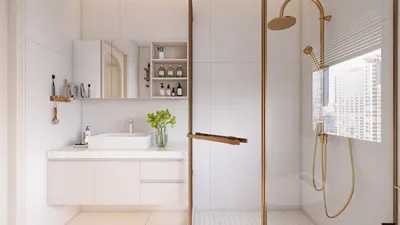


When it comes to designing the color scheme of a living room, I view it as a blend of light dynamics, proportions, and user engagement. A thoughtfully curated palette does more than just embellish; it influences the atmosphere, organizes movement, and enhances social connectivity. The best color combinations harmonize subtle undertones with precisely measured brightness, ensuring the room maintains a sense of unity throughout the day. Utilizing tools like Homestyler can help visualize these interactions effectively.
Light serves as a fundamental factor in color selection. Following the guidelines set by the IES, living spaces typically thrive with ambient light levels between 100 to 300 lux, while specific walls can be illuminated to 300 to 500 lux to spark visual excitement. Adapting colors to these light conditions alters their perception: darker corners illuminated with lower lux require lighter hues with an LRV (Light Reflectance Value) between 60 and 80 to avoid appearing dull, whereas focal points under brighter conditions can comfortably feature deeper shades with lower LRV. The WELL v2 standards also stress the importance of managing glare and achieving high color rendering indices (CRI ≥90) for optimal visual comfort in living areas, keeping hues authentic and minimizing eye strain. My design strategies incorporate these recommendations to guarantee uniformity day or night.
Foundations: Undertones, Temperature, and Visual Balance
The temperature of paint colors—whether cool or warm—should correspond with natural light angles. Rooms facing north tend to have cooler light, so incorporating warm undertones like taupe, greige, or clay can counter the bluish tint. Conversely, south-facing environments benefit from warm light, where cooler grays or soft blues help maintain a balanced aesthetic. I carefully layer paint applying considerations of value and undertone first, followed by saturation levels to avoid overwhelming sensations. The optimal color rhythm consists of a primary neutral (70%), a complementary mid-tone (20%), and a highlight color (10%) that share compatible undertones to create seamless transitions.
Living Research and Behavioral Cues
In shared spaces, color dynamics are often driven by human behavior. Research from Steelcase emphasizes that comfortable seating and clear sightlines increase time spent in a room; the right color palette can alleviate cognitive strain and foster this engagement. Softer color schemes can ease conversations, while distinct accent colors subtly demarcate social areas. For flexibility-focused settings—such as reading nooks—the colors might shift toward cooler, more saturated tones to enhance alertness without overwhelming the senses.
Eight High-Impact Drawing Room Color Combinations
A combination of greige with warm beige undertones stabilizes diverse daylight, clay contributes an earthy richness, and a slightly cream-toned off-white softens contrasts. This palette is particularly suitable for north-facing spaces where warmth balances the cooler daylight.
Sage provides a calming connection to nature, while bone white boosts reflections in compact rooms; charcoal in shelving adds a sense of depth. This trio beautifully accommodates afternoon light and complements natural materials like wool, oak, and linen.
A cool, airy blue counteracts the brightness of sunny south light; dove grey serves as a temperature bridge; brass accessories offer warmth, ensuring the design doesn’t feel too frigid. This combination is ideal for walls and built-in furniture, creating a sophisticated look.
Sand beige offers a low-contrast backdrop; terracotta introduces vibrancy to an accent wall or nook; matte black provides grounding for art and sightlines. It’s best to display terracotta in areas with ample light to maintain clarity in darker corners.
Taupe provides a stabilizing backdrop; forest green evokes tranquility, promoting relaxation; a linen white ceiling enhances perceived height. This palette is particularly effective with textures like plaster or limewash for a softer appearance.
Indigo injects elegance when used in lower wall paneling or cabinetry. Warm white trims guarantee clean edges without harshness, ensuring comfort under evening lights with high CRI ratings.
Peach offers a warm and welcoming vibe, particularly in the presence of evening ambient lighting that flatters skin tones during social interactions. It’s essential to balance saturation to prevent excessive sweetness.
For those embracing a minimalist style: slate gray serves as the foundation, porcelain white provides balance, and oak brings warmth to the design. Limiting gray surfaces avoids a heavy feel while textured fabrics aid in sound absorption.
Managing Light: Lux, CRI, and Glare
The success of color choices relies heavily on the quality of lighting used. Aim to achieve layered ambient lighting of 100–300 lux, with task lamps positioned near seating areas providing 300–500 lux, and accent lights emphasizing feature walls within the 300–500 lux range. Consistently maintain a CRI of 90 or above to protect the authenticity of colors and skin tones. It’s effective to diffuse light using opaque shades and to select warm LEDs (2700-3000K) for evening settings, shifting to a higher color temperature (3000-3500K) for clearer visibility when examining art or reading. Avoid glossy finishes on main walls to minimize glare; instead, reserve eggshell or satin finishes for frequently touched areas such as trim.
Proportion, Rhythm, and Zoning
Paint plays a crucial role in zoning. A darker accent on the far wall can elongate a shorter room, while a lighter ceiling creates an illusion of height; mid-tone bands at chair-rail height can stabilize rooms with significant verticality. For those redesigning space or furniture arrangements, employing an interior layout planner like Homestyler can assist in visualizing how color and arrangement influence movement and sightlines before finalizing decisions.
Material Pairings and Sustainability
Colors should harmonize with material choices. Warm neutrals blend well with oak, rattan, bouclé, and wool, while cooler palettes find synergy in ash, linen, and stone. Opt for low-VOC paints and consider mineral-based finishes to enhance indoor air quality. Sustainable practices extend to durability, with neutral foundations lessening repaint frequency, allowing accents to be refreshed with artworks or textiles instead of demanding entire wall overhauls.
Ergonomics and Acoustic Comfort
Comfort transcends mere color selection. Textured surfaces such as rugs, curtains, and upholstered furniture absorb mid to high-frequency noise, enhancing clarity during conversations. The right color choices visually reduce contrast around seating areas, minimizing eye strain and fatigue in social settings. Task lighting should be positioned near reading chairs to achieve the desired 300–500 lux on reading materials while ensuring a calm, non-reflective overall palette.
Color Psychology Nuance
Gentle greens and blues typically alleviate stress and diminish sympathetic arousal, whereas warm neutrals can enhance perceived warmth and social friendliness. Vigorous reds may invigorate but can quickly overwhelm in living areas meant for prolonged use; if red is a favorite, it’s best to apply it in art or smaller accents within controlled lighting to avert visual fatigue.
How to Test Your Palette
To ensure a well-matched palette, always test at least three paint swatches per wall—upper, middle, and lower sections—observing them across different times of the day. Evaluate these colors in both diffuse and focused lighting, alongside lamps set at 2700-3000K during the evening. Capturing photographs of the samples at various times helps reveal shifts in undertones. If your room layout is still being developed, use an interior layout planner, like Homestyler, to visualize how color interacts with furnishings and traffic flow.
One Reference to Keep Handy
For parameters related to visual comfort in living spaces, I frequently refer to WELL v2 guidelines to assist in glare management and CRI benchmarks. This resource serves as a valuable guide when adjusting color in response to lighting variables.
FAQ
For ambient light levels, aim for 100 to 300 lux, with task lighting at 300 to 500 lux near seating or reading areas, and accent lighting also at 300 to 500 lux for feature walls. A high CRI of 90 or greater ensures colors appear true.
For social warmth, opt for lights in the 2700 to 3000K range; transition to 3000 to 3500K if you require more clarity for artwork or reading without creating a sterile feel.
Utilize warm undertones—such as greige, taupe, and clay—to counteract cooler daylight. In darker corners, keep Light Reflectance Values on the higher end (60-80) to prevent dullness.
Only when applied across multiple surfaces. A single darker accent under brighter lights can enhance depth without constricting the perception of space.
Opt for warm greige or light taupe with subtle undertones. These colors adapt well to both warm and cool accents and develop an elegant patina over time.
Choose matte or eggshell finishes for primary walls; reserve satin for trim or paneling. Combine with diffused lighting to avoid strong reflections, particularly near intense lamps.
To create a calming atmosphere, utilize muted greens, gentle blues, and warm neutrals. Use vibrant hues sparingly for accents to prevent visual fatigue.
Apply sizable swatches on several walls, observing their appearance across three lighting conditions—morning, afternoon, and evening—while also incorporating evening LEDs into your assessment.
Incorporate ash wood, linen, stone, or brushed nickel for texture, preventing the overall scheme from seeming flat.
No. A soft linen white or very light neutral that is slightly warmer than surrounding walls can enhance the perceived height without harsh contrast.
Employ a dominant neutral throughout, assign a mid-tone to reading or media areas, and reserve a darker accent for one focal wall to ground social gatherings.
Definitely. Warm whites and soft peaches enhance complexion under evening lighting, especially with a CRI of 90 or greater.
Select a soft neutral base (greige, bone, dove gray) and allow art and textiles to introduce accents, maintaining a restrained approach to wall colors for equilibrium.
Absolutely. Choosing sustainable materials contributes to improved indoor air quality and can significantly reduce odors, which is especially beneficial in frequently used social spaces.
Built on technology originally developed at Autodesk, Homestyler empowers anyone to design beautiful, realistic spaces in minutes. Join over 18 million users who have already discovered a smarter way to plan, visualize, and bring their dream homes to life — all from the comfort of a browser.

Boucle Fabric Solid Wood Base Modern Sofa 3D Model
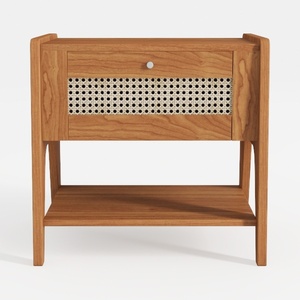

Modern Solid Wood Rattan Nightstand With Open Shelf 3D Model
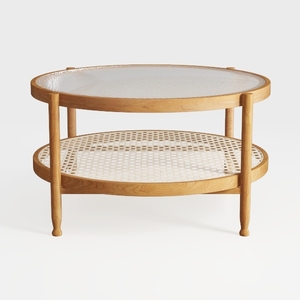
Minimalist Oak Rattan Glass Top Round Coffee Table 3D Model
Homestyler is your ideal partner for home design! With an intuitive online design tool, stunning 3D renderings, and a wealth of DIY video tutorials, you can effortlessly create and visualize your dream spaces—all from the comfort of your home. Start designing today!
Zaprojektuj teraz za darmo
































