

Over the past ten years, I have honed my expertise in designing wall showcases for living rooms, with glass remaining my preferred material for enhancing scale, brightness, and aesthetic value. A thoughtfully arranged glass display can significantly increase the ambient light in a room by reflecting and transmitting it, allowing even smaller spaces to feel more spacious and sophisticated. In my residential projects, I focus on achieving even luminance across display walls to minimize glare on both glass surfaces and artwork.
Research continuously demonstrates how lighting and color selections influence comfort and attention. The Illuminating Engineering Society (IES) suggests a task illuminance of approximately 300 to 500 lux in living areas, alongside accent lighting layered to provide 150 to 300 lux for displays—ensuring that glare on glass surfaces and artworks is avoided (ies.org/standards). The choice of colors is equally important: soft, warm color palettes combined with glass can lessen visual fatigue; studies summarized by Verywell Mind reveal that warmer neutrals like beige and taupe can enhance relaxation, whereas cooler shades evoke a cleaner, more modern feel (verywellmind.com/color-psychology). These guidelines are instrumental in calibrating showcases to be both visually appealing and functional.
Design Inspiration: Capturing Life's Narratives, Not Just Items
Glass showcases in living areas should tell stories—be it books, travel mementos, vinyl records, or ceramics—while ensuring they are not overly exposed. I favor a combination of storage styles: closed spaces at the bottom for media and accessories, glass-front compartments at eye level for carefully selected items, and open shelves above for visual variety. This tiered design creates a harmonious visual effect while maintaining manageability.
Designing the Wall: Dimensions, Flow, and Visibility
Proportion is key. In spaces centered around a primary seating arrangement (like a sofa with a TV), align the showcase with that axis, adhering to a 3:5 or 2:3 ratio between the main cabinet and the surrounding empty space. Clear sightlines are crucial: avoid deep shadows directly across from primary seating. When experimenting with module widths and clearances, a layout simulation tool such as the room layout designer can be helpful to visualize depth, traffic patterns, and lighting highlights before finalizing any millwork.
Selecting Glass Types and Considerations
Choose glass that aligns with lifestyle needs. For family environments, tempered low-iron glass delivers both safety and accurate color reproduction for artworks. In dimly lit rooms, low-iron glass minimizes the green tint, keeping whites true. If smudges may be an issue, consider acid-etched (frosted) glass for side elements while keeping display doors clear. For sliding systems, request soft-close tracks and slam-proof dampers; for hinged doors, opt for concealed 110° hinges to lessen the risk of pinched fingers and facilitate easy access.
Lighting: Layered with Glare Control
The quality of lighting can elevate a showcase from ordinary to extraordinary. I recommend utilizing three lighting layers: linear recessed backlighting to enhance textured panels, adjustable micro spots for highlighting specific features, and a gentle cove wash above to illuminate the wall as a whole. The color temperature for living rooms should range from 2700 to 3000K to maintain warmth, increasing to 3500K only when art necessitates a cooler presentation. To manage glare, position lights away from glass surfaces and incorporate honeycomb louvers on the micro spots. Aim for a Color Rendering Index (CRI) of 90 or above, as high CRI is essential for showcasing ceramics and textiles with subtle color variations.
Understanding Color Psychology and Material Combinations
Glass complements materials like walnut, smoked oak, and matte finishes beautifully; warmer woods help to soften reflections. For a crisp modern aesthetic, pairing glass with light ash and muted blues creates a calm, clean, and organized atmosphere. To evoke a cozy, collected ambience, the combination of smoke-tinted glass with bronze accents and textured linen panels can offer intimacy. Studies on color psychology from Verywell Mind suggest that blue-green shades enhance calm and concentration; I tend to use these colors behind shelves to reduce visual clutter while allowing objects to take center stage.
Considering Ergonomics and User Interaction
Position items that are utilized frequently within a height range of 900 to 1400 mm (35 to 55 inches) above the floor. Hardware should be designed for easy reach without straining the wrist, and vertical pulls make gripping easier. For sliding doors, ensure at least 60 mm (2.4 inches) of clearance for fingers at handles. If children are around, opt for shelf fronts with soft edges and avoid protruding hardware in areas where people pass by. Proper ventilation for enclosed media areas should be integrated with discrete slotted panels to prevent overheating from devices.
Acoustic Considerations for Glass Environments
Glass has the tendency to reflect sound; this can be alleviated through the use of porous materials and thoughtfully placed soft surfaces. I commonly line niches with micro-perforated panels behind soft fabrics or add felt pads under shelves. A medium-pile rug paired with upholstered seating across from the showcase will absorb higher-frequency sounds and enhance conversational clarity.
Fostering Sustainability and Ease of Maintenance
Choose woods that are FSC-certified, select low-VOC finishes, and hardware designed for durability to reduce the need for replacements. Glass doors with removable clips facilitate cleaning and reorganization. Opt for LED lighting with dimmable drivers and warm-dim features to decrease energy consumption while maintaining an inviting evening ambiance.
Strategies for Different Living Room Layouts
• For narrow rooms: opt for a vertical rhythm by incorporating slender glass bays with tall proportions and minimal depth (280 to 320 mm) to keep circulation smooth.
• For square rooms: center the showcase around a focal feature while balancing it with symmetrical side modules; lighter upper shelves prevent wobbliness.
• For open-plan areas: blend the showcase with the TV wall but position display compartments away from direct sunlight; use tinted glass where glare is a concern.
Integrating a TV without Visual Clutter
A TV can coexist seamlessly with an elegant glass showcase when shadow gaps and material choices are harmonized. Design a matte recess for the screen, surround it with lighter shelves to soften contrasts, and conceal cables within vertical chase panels. Position reflective materials away from the direct line of sight to the screen to minimize glare.
Curating and Updating Displays
Arrange objects in odd-numbered groups (3, 5) and vary their heights to establish visual rhythm. Change out artifacts periodically to keep the display feeling fresh. Use shallow stands for smaller items to bring them closer to eye level and prevent a bottom-heavy appearance.
Cost-effective Approaches
Invest in quality glass doors and lighting; you can reduce costs on carcass materials by utilizing melamine interiors paired with solid wood trims. Standardizing module widths minimizes fabrication difficulties. Remember to plan your wiring and drivers early to avoid complications post-installation.
Frequently Asked Questions
Using tempered low-iron glass ensures safety along with authentic color representation. Consider smoked glass for areas susceptible to glare or direct sunlight.
Aim for accent lighting of approximately 150 to 300 lux and general lighting in living spaces at around 300 to 500 lux, adhering to IES standards to prevent glare on glass surfaces.
Maintain warmth in living rooms with a color temperature of 2700 to 3000K; switch to 3500K for neutral art displays requiring cooler accuracy.
Position light fixtures away from glass planes, use louvers on spotlight fixtures, and avoid directing lights directly towards glass surfaces.
Yes—place the TV into a matte niche, channel cables through a vertical course, and ensure reflective surfaces are distanced from the screen's direct viewing angle.
Store commonly accessed items between 900 and 1400 mm (35 to 55 inches); position heavier items closer to 700 to 900 mm (28 to 35 inches) for easier lifting.
Incorporate soft materials such as rugs, fabric-backed panels, and felt shelf pads to absorb sound reflections and enhance clarity in conversation.
Utilize glass for side panels or privacy areas while keeping doors free where visual access is needed; frosted surfaces also help to reduce fingerprints.
Integrating smoked glass, bronze fittings, walnut, and textured linen or canvas back panels fosters warmth and creates a curated character.
Utilize simulating tools for layout, door swings, and circulation patterns with a design tool like Homestyler to test proportions and lighting requirements.
Specify for FSC-certified woods, low-VOC finishes, LED lighting with adjustable drivers, and modular hardware for simplified maintenance and future upgrades.
Built on technology originally developed at Autodesk, Homestyler empowers anyone to design beautiful, realistic spaces in minutes. Join over 18 million users who have already discovered a smarter way to plan, visualize, and bring their dream homes to life — all from the comfort of a browser.
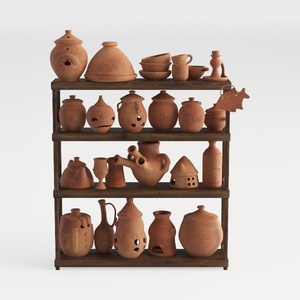
Rustic Terracotta Decorative Pottery Set with Wooden Shelf 3D Model
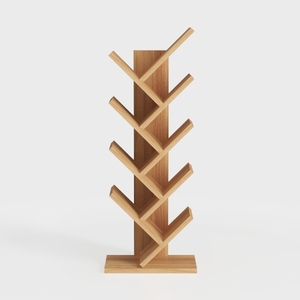
Minimalist Solid Oak Tree Shape Bookshelf 3D Model

Minimalist Rattan Metal Two Tier Rolling Storage Cart 3D Model
Discover the ease of home design with Homestyler! This user-friendly online platform offers a powerful design tool, stunning 3D renderings, and a wealth of DIY video tutorials. Whether you're a novice or a seasoned decorator, you can effortlessly create and visualize your ideal living space.
立即免费设计
































