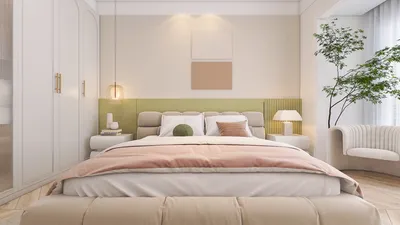


Creating a small home in a rural setting is more about harmonizing natural light, flow, and adaptable spaces to align with daily village life rather than simply cramming rooms together. My methodology merges straightforward construction techniques with smart ergonomic design, ensuring that a diminutive abode can accommodate significant daily activities—like preparing for harvest, welcoming neighbors, or enjoying tranquil evenings—without a sense of being cramped.
Making informed choices necessitates quantifiable performance data. The WELL v2 standards suggest an average ambient light level ranging from 300 to 500 lux in living areas, with kitchens and workspaces benefitting from task lighting of 500 to 1000 lux. These illuminance levels maintain visual comfort while fostering activities like reading, cooking, and crafting. The Illuminating Engineering Society offers further insights on reducing glare and ensuring uniform lighting, aspects vital in smaller spaces where a single intense light source can dominate the ambiance. For deeper explorations of lighting health principles, refer to WELL v2’s Light concept alongside IES standards, which adapt wonderfully to rural residences.
In compact designs, color serves more than a decorative purpose. According to Verywell Mind's insights on color psychology, hues like blue and green often alleviate stress and enhance concentration, while soft shades like muted terracotta or wheat can create an inviting atmosphere without overwhelming the senses. When combined with ergonomic guidelines—such as maintaining clear circulation paths of 900 mm and ensuring a turning radius of 1200 mm—these choices enable movement to remain fluid, even in a bustling home environment.
Site and Orientation: Harnessing Natural Light
Village homes typically enjoy ample sky exposure and basic amenities. I orient small houses to optimize sunlight capture from the south or southeast for living areas and kitchens, while using western exposure for transitional spaces (like porches or utility yards) to mitigate excessive heat. A straightforward gable roof with extended eaves effectively blocks summer sun while inviting in winter light, and planting a forecourt not only controls dust but also acts as a connection point for the community.
Flexible Layouts for Everyday Living
In small rural residences, spaces need to serve multiple functions. I design a versatile front room that can transition between living, dining, and guest areas, incorporating built-in storage solutions to keep floors unobstructed. Bedrooms incorporate integrated beds with under-bed storage, and a dedicated path from the mudroom to the kitchen manages dirty boots and fresh produce while preventing mess. When determining room sizes, I favor a proportion of 1:1.5 for the living area to encourage openness and the possibility for shared activities.
For families considering furniture arrangements and circulation before construction, utilizing an effective interior design visualization tool can assist in simulating space clearances, sunlight access, and multifunctional setups. Consider using a room layout planner for a smoother transition from concept to reality: simply access an interior design tool.
Lighting Environment: Layered and Low-Glare, Ideal for Rural Homes
I advocate for a three-layered lighting approach: ambient lighting (indirect ceiling or wall washes at approximately 300–500 lux), task lighting (under-cabinet strips or clusters over countertops at around 500–1000 lux), and accent lighting (warm 2700–3000K bulbs creating soothing pockets of light). In smaller areas, it's essential to use shields and diffusers; materials like linen shades and matte reflectors contribute to softer lighting and gentler shadows. For managing daylight, bamboo screens or wooden louvers help control glare while ensuring airflow.
Material Selection: Authentic, Durable, and Low Maintenance
Utilizing local materials such as bricks, stabilized earth blocks, or timber framing combined with lime plaster ensures consistent indoor humidity and simplifies upkeep. Low-VOC finishes are crucial for health considerations, and matte surfaces minimize glare. I recommend robust flooring options (like stone, terracotta, or polished concrete) that can withstand dirt and tool use, complemented by woven runners to enhance acoustic comfort. Insulating roofs effectively is key; in many rural areas, radiant heat from metal roofing can be problematic—using vented air gaps and light-colored roofing can significantly reduce heat retention.
Acoustic Considerations: Peaceful Spaces, Social Gatherings
Compact homes can magnify sound. I recommend lining shared walls with bookshelves or sound-absorbing panels, employing area rugs and fabric window coverings to soften noise frequencies, and positioning mechanical systems away from bedrooms. A semi-enclosed porch can serve as an effective sound barrier while fostering neighborly interaction.
Human Factors and Ergonomics
Ensuring door widths of 800–900 mm, counter heights around 880–900 mm for main preparation areas, and seating zones at 720–740 mm accommodates comfortable use across all age groups. I keep storage solutions between 500–1600 mm high to prevent reliance on ladders and reduce physical strain. Behavior-driven planning includes a direct route from the mudroom to the sink for food preparation, positioned seating near entrances for social interactions, and shaded outdoor washing areas to manage noise and humidity effectively.
Thermal Strategies: Prioritizing Passive Solutions
Facilitating cross-ventilation through opposite windows equipped with insect screens helps reduce cooling demands. Vents installed at ridge lines assist in expelling hot air. Integrating thermal mass (such as brick or concrete) combined with night ventilation moderates temperature fluctuations. In cooler climates, compact zones support the use of a single efficient stove to warm living and sleeping areas, with radiant flooring where budgets permit.
Storage Solutions for Minimal Footprints
Envision layouts that incorporate a variety of storage options: wall recesses for frequently used items, deep overhead cabinets for seasonal supplies, and designated alcoves for tools. I craft furniture that not only serves its primary function but also facilitates storage—incorporating built-in benches, bed frames with drawers, and foldable tables enhances versatility without cluttering the space.
Maximizing Outdoor Spaces: The Rural Advantage
Porches and outdoor courtyards can significantly enhance a compact design. A veranda extending from 1.8 to 2.4 meters creates a microclimate, shelters outdoor tasks, and serves as a social focal point. Screened utility yards neatly handle washing, drying, and storage, ensuring interior spaces remain calm and organized.
Understanding Color Psychology for Spacious Feel
Implement desaturated greens and blues in bedrooms to promote tranquility, while warm neutral tones in living areas foster connectivity. Use vibrant accent colors sparingly to avoid visual clutter. Incorporating natural wood and limewashed walls contributes to softness and equilibrium, helping compact areas feel more generous.
Budgeting and Construction Feasibility
Rural projects benefit from straightforward details, utilizing standard window sizes, door dimensions, and simple roof shapes. Opt for durable fittings that allow for repairs, and ensure easy access for inspections of plumbing and electrical work. A phased development plan allows families to add additional rooms or porches as their needs change over time.
Checklist for a Compact Village Home
- Position kitchens and living spaces toward the south or southeast; utilize porches for sheltering against western sun.
- Integrate lighting layers: ambient light at 300–500 lux, task lighting between 500–1000 lux, and warm accents around 2700–3000K.
- Maintain clear circulation paths of 900 mm and turning diameters of 1200 mm, where feasible.
- Incorporate storage solutions into walls and furniture design.
- Choose breathable, low-VOC materials and ensure effective roof insulation.
- Plan for cross-ventilation and ridge vents for air flow.
- Design outdoor utility spaces alongside a shaded veranda for relaxation.
FAQ Section
Q1: What level of natural light is ideal for a small rural living room?
A1: Strive for ambient daylight near 300–500 lux during the hours of activity, with zones requiring more intensity when necessary. Guidance from WELL v2’s Light protocols and IES recommendations can aid in balancing brightness and minimizing glare.
Q2: Which color scheme makes a small home feel soothing without making it feel claustrophobic?
A2: Calming shades of green and blue help reduce stress and improve concentration, while warm, muted neutral colors create a welcoming environment, promoting sociability. Insights from Verywell Mind on color psychology support this harmonious balance.
Q3: How can glare be minimized in tiny rooms with limited windows?
A3: Implementing diffusers like linen shades, utilizing matte-finished walls to reflect light softly, and introducing low-level secondary light sources can help. Exterior screens or louvers manage brightness angles while maintaining airflow.
Q4: What are the recommended ergonomic clearances for small village homes?
A4: Aim for circulation paths of 900 mm, door widths between 800–900 mm, and a minimum turning diameter of 1200 mm in key areas. Counters should ideally be set at 880–900 mm with seated workspaces at 720–740 mm to accommodate various age groups.
Q5: What materials provide durability and thermal comfort?
A5: Consider using locally sourced bricks or stabilized earth for thermal mass, timber framing where available, lime plaster for breathable interiors, and light-colored insulated roofing materials to minimize heat absorption.
Q6: How can I maximize storage without overcrowding?
A6: Leverage built-in storage within walls and furniture—like beds with drawers, benches with compartments, and overhead cabinets suited for seasonal items—while keeping everyday items within easy reach.
Q7: What are the simplest ways to enhance acoustics in small spaces?
A7: A combination of soft finishes (like rugs and fabric blinds) and mass (incorporating bookshelves or sound-dampening panels) can effectively reduce noise. It's advisable to keep mechanical equipment away from sleeping areas and utilize a semi-enclosed porch as a sound buffer.
Q8: How should ventilation be planned for small dwellings?
A8: Ensure opposing windows are used for cross-breezes, install insect screens for functionality, and incorporate ridge or high vents to facilitate the stack effect. Night-time flushing with thermal mass will help stabilize indoor temperatures.
Q9: Can outdoor areas realistically expand a compact home's living space?
A9: Certainly. A 1.8–2.4 m deep veranda, when combined with a screened utility yard, effectively shifts noisy and messy tasks outdoors, transforming the porch into a social hub that reduces indoor crowding.
Q10: What layout tools can assist with planning prior to construction?
A10: Utilize a room layout tool to simulate various furniture arrangements, clearances, and sunlight paths, helping to expedite decision-making with family collaboration and reducing the likelihood of costly modifications down the line.
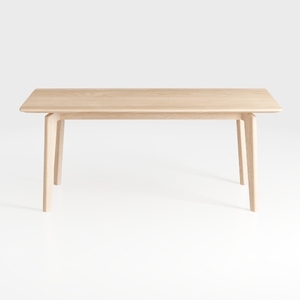
Hymus 100% Solid Oak Wood Desk - Small Writing Des
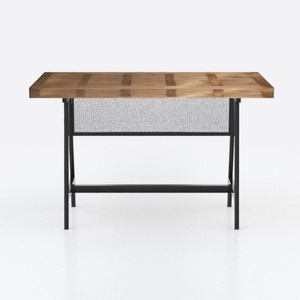
3-Piece Small Dining Table Set Kitchen Table and 2

Minimalist Solid Wood Fluted Round Dining Table 3D Model
If you're looking to transform your home effortlessly, Homestyler is your go-to online design platform. With its user-friendly design tool, stunning 3D renderings, and a wealth of DIY video tutorials, creating your dream space has never been easier or more inspiring!
Design Now for FREE
































