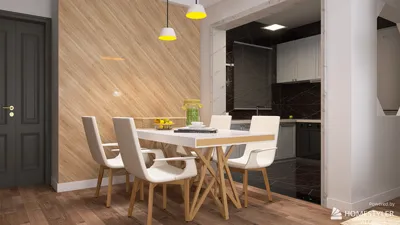


Deluxe accommodations exist between standard rooms and suites, providing an enhanced level of comfort without reaching the extremes of luxury. In my hotel design projects, a deluxe room usually features increased square footage, high-quality bedding, superior finishes, and improved acoustic and lighting conditions—elements that significantly enhance relaxation and recovery after travel. Additionally, using design tools like Homestyler can aid in visualizing these enhancements during the planning phase.
Comfort can be quantified rather than solely perceived. The WELL v2 standard advises nighttime lighting levels of 10–20 lux for sleeping areas to safeguard circadian rhythms and recommends task lighting of 300–500 lux to prevent eye fatigue. Research from Steelcase indicates a connection between workplace comfort and environmental control, leading to better well-being and productivity—a principle that is equally applicable to hotel guest rooms. Improved task lighting, glare management, and ergonomic furniture can profoundly influence sleep quality and readiness for the day. I structure deluxe room layouts to achieve these standards while ensuring a tranquil visual flow.
The importance of space cannot be overlooked. A standard king room typically measures 250–300 sq ft, whereas a deluxe king often covers 320–400 sq ft based on branding and market factors. This additional space—ranging from 50 to 100 sq ft—facilitates better movement, a usable seating area, and more efficient luggage organization. When designing layouts, utilizing a straightforward room layout tool like Homestyler can assist in confirming optimal distances between beds and walls (ideally 30–36 inches on the pull side), pathway widths, and sightlines for an inviting atmosphere.
Core Features of a Deluxe Room
• Dimensions and zoning: Increased floor area, often including a distinct lounge or workspace. I advocate for bed-to-room depth ratios of 1.6–1.8:1 for aesthetically pleasing sightlines and smooth navigation.
• Enhanced bedding and acoustics: High-quality mattresses, fine thread-count linens, and sound-dampening measures. Aim for a background noise level below 35 dBA, ensuring solid-core doors and properly sealed thresholds are in place.
• Layered lighting: Dimmable ambient light, bedside reading lamps with a color temperature of 2700–3000K, and accent lights to soften contrasts. Light levels should adhere to IES standards to avoid glare and ensure functionality.
• Quality materials and finishes: Superior upholstery, stain-resistant fabrics, and low-VOC paints. I often combine warm wood veneers with matte mineral finishes to create a tactile experience that avoids visual clutter.
• Modern amenities: Espresso makers, high-pressure showers, more storage options, and sometimes automated controls for climate and window coverings.
Distinguishing Deluxe, Superior, and Standard
Hotel terminology can often be confusing; however, a consistent pattern emerges:
• Standard: Entry-level category with basic layouts and amenities; minimal acoustic isolation and seating options.
• Superior: Slight upgrades in terms of views, space, and modest enhancements in finishes.
• Deluxe: A significant upgrade in dimensions and comfort, featuring enhanced lighting, soundproofing, and materials; typically includes a dedicated seating area and improved bathroom facilities.
Understanding Suite Features
Suites provide distinct living areas, larger bathrooms, and often include dining tables or kitchenettes. The spatial dynamic shifts: the living and sleeping areas are separated for increased privacy and versatility in activities. In suite designs, I prioritize sound barriers—soft furnishings, area rugs, and wall constructions—to minimize noise transfer between living areas and sleeping zones.
Lighting and Color Psychology for Enhanced Rest
Appropriate lighting plays a crucial role in promoting sleep and uplifting mood. Warm white lamps (2700–3000K) at bedside help minimize blue light exposure at night. Lighting levels of 10–20 lux are optimal for winding down, while task areas should achieve 300–500 lux to facilitate reading without straining the eyes. Utilizing calming, muted colors—such as soft blues and sage greens—creates a sense of openness and tranquility; deeper, low-gloss accents add depth without glare. Effective glare control is essential: using shielded fixtures and indirect lighting can prevent harsh hot spots that may disrupt relaxation.
Ergonomic Workspaces That Support Your Well-being
Travelers also need to accomplish work tasks in hotel rooms. A desk height of 28–30 inches, an adjustable chair with lumbar support, and glare-free task lighting at 300–500 lux facilitate comfortable work sessions. Thoughtful cable management and outlet placement at desk level help alleviate physical strain. I tend to avoid desks with mirrors facing windows, as they can increase eye fatigue.
Acoustic Comfort: The Key to Tranquility
Deluxe room designs should prioritize quietness. Aim for nighttime ambient sound levels below 35 dBA. Incorporate soft materials—such as upholstered headboards, full-height curtains, and padded underlays under carpets—to absorb noise. Features like door sweeps, sealed frames, and staggered stud walls can substantially enhance sound isolation. Simple additions—like felt pads under luggage racks—can also minimize impact noise.
Bathroom Upgrades You’ll Appreciate
In deluxe bathrooms, anticipate greater water pressure, thermostatic mixers, and improved ventilation. Lighting should reach 500–700 lux above mirrors to ensure adequate grooming illumination, utilizing vertical fixtures to reduce shadowing. Opt for slip-resistant ceramic tiles and durable surface materials that resist stains. Thoughtfully designed storage areas and well-angled shower pans enhance your daily routine.
Spatial Dynamics and Flow
Comfort is derived from clear pathways and well-proportioned spaces. I maintain distances of 30–36 inches from the bed's pull side and a minimum of 42 inches clear in entry zones. Seating arrangements require a diameter of at least 54 inches to accommodate two chairs and a table. When exploring design variations, utilizing a spatial layout tool such as Homestyler can help validate distances and sightlines, ensuring that bright fixtures aren’t directly visible from the bed.
Understanding Hotel Room Labels and Their Variability
Naming conventions in hotels are influenced by brand standards and architectural limitations. For example, city-center establishments might label a corner room as "deluxe" due to better light and views, even if the size is minimal; resort hotels might focus on balcony features or bathroom enhancements. It's essential to review the specifics—such as square footage, bed types, and amenities—rather than relying solely on labels.
Design Trends for 2024-2025
• Circadian-friendly lighting: Warmer nighttime environments created with tunable lighting that aligns with WELL lighting principles.
• Quiet technology: Low-noise HVAC systems and intelligent shading options that automatically reduce light at night.
• Biophilic design: Use of natural textures and patterns that help to alleviate stress; matte finishes that minimize glare.
• Versatile work-lounge environments: Compact, modular seating solutions that adapt from individual workspaces to shared snack areas.
Choosing Between Room Types
Align your needs with specific attributes: if sleep is a priority, focus on properties that ensure acoustic isolation and lighting management over sheer size. If you'll be working, look into ergonomic desk arrangements and dependable task lighting. When traveling with family, prioritize designs that include sufficient seating and storage options over ambiguous labels like "superior". Always verify details—such as square footage, lighting setup, and bathroom specifications—prior to finalizing your booking.
Frequently Asked Questions
Q1: What differentiates a deluxe room from a standard one?
A: A deluxe room usually offers increased space, superior materials, multi-layered lighting, improved soundproofing, and additional amenities like lounge areas. It's a marked upgrade in comfort compared to standard options.
Q2: Is the term "superior" indicative of better quality than "deluxe"?
A: Not necessarily. Terminology varies by hotel brand, so it's critical to compare features, including square footage, bed types, and available amenities rather than placing reliance solely on names.
Q3: What should I expect in terms of lighting levels for an effectively designed deluxe room?
A: The ambient light should be around 10–20 lux in the evening for relaxation, and between 300–500 lux for reading or work areas, with warm color temperatures (2700–3000K) at bedside.
Q4: Are deluxe rooms typically quieter?
A: Generally, yes. Look for elements like solid-core doors, heavy curtains, carpet underlays, and sealed door thresholds. A sound level of under 35 dBA at night is ideal.
Q5: What specific bathroom features are distinct in deluxe offerings?
A: Expect enhanced water pressure, temperature control, better airflow, brighter lighting around mirrors (500–700 lux), and more durable surface materials.
Q6: How do I assess the value of upgrading to a deluxe room?
A: Confirm the gains in dimensions, seating arrangements, acoustic properties, and light control. The comfort you derive from the additional space—whether for work, dining, or leisure—often warrants the increase in price.
Q7: What ergonomic features are important for business travelers?
A: A desk height near 28–30 inches, a supportive chair, and a task lamp providing 300–500 lux with minimal glare are essential. Having outlets within easy reach at desk level can alleviate physical strain.
Q8: Are scenic views and natural light typically included in the deluxe category?
A: Frequently. Rooms that are corner or located on higher floors may be classified as deluxe due to their abundant natural light and views, but ensure that blackout features and glare controls are offered for restful sleep.
Q9: Can a standard room be transformed to feel deluxe with good design?
A: Definitely. Thoughtful lighting, acoustic enhancements, and material improvements can elevate the comfort level, even within smaller spaces.
Q10: What trends are enhancing guest-room comfort in 2024-2025?
A: Trends include tunable warm lighting, biophilic design elements, quieter HVAC systems, and adaptable lounge-work furniture, all directed towards improved sleep quality and smooth transitions between activities.

Minimalist Solid Wood Round Stool Set 3D Model
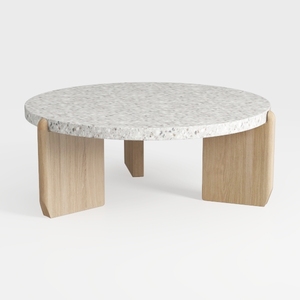
Minimalist Terrazzo Solid Oak Round Coffee Table 3D Model
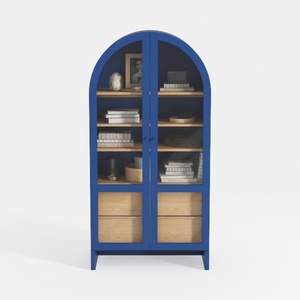
Modern Blue Frame Solid Wood Arched Glass Display Cabinet 3D Model
Discover Homestyler, a fantastic online home design platform perfect for everyone! With its user-friendly design tool, stunning 3D renderings, inspiring design projects, and helpful DIY video tutorials, you’ll find everything you need to turn your dream home into a reality. Start creating today!
立即免费设计
































