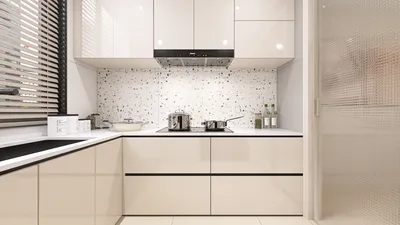


A former client once insisted on splitting their office wall into half charcoal and half lemon, believing this unique division would "balance creativity and focus." Spoiler alert: it didn’t work out as they hoped. This little design experiment highlighted for me how significant wall color choices can be in influencing mood, demonstrating that even small offices can serve as playful design laboratories. For those looking to quickly visualize various office layouts without making a commitment, I frequently recommend using Homestyler to explore different options swiftly.
1. Gallery Strip: Rotating Art Without the Clutter
I have a fondness for long, narrow gallery strips— a single slim rail outfitted with clips or magnetic frames allows for weekly rotation of prints, posters, and infographics. This setup is perfect for teams that are continually presenting evolving work or simply want to inject a fresh vibe; however, it does require a degree of curation to prevent a chaotic appearance.
Tip: Maintain a consistent frame color and spacing to ensure that the rotating content feels deliberately arranged, and consider using budget-friendly prints if you enjoy frequently changing them.
save pin
2. Functional Accent Wall: Whiteboard + Inspiration
By integrating a writable surface with a narrow shelf for plants and awards, you create a space that fosters brainstorming while adding a touch of personality. In a 12m² office, I implemented this idea— the writable area became the prime spot for quick sketches, though it does necessitate regular cleaning to prevent misleading marks.
Budget note: Applying paint-on whiteboard is typically more affordable than framed boards, albeit less durable over time.
save pin
3. Vertical Storage as Decor
Open shelving, pegboards, and wall-mounted bins can serve as artistic displays while conserving floor space. I successfully transformed a cramped office by swapping out a bulky cabinet for staggered shelves paired with a framed bulletin board— achieving a lighter and more functional visual appeal.
Challenge: Ensure a rhythm in your choice of objects (books, boxes, plants) so that it reads as an intentional design rather than just storage.
save pin
4. Textured Panels and Acoustic Fabrics
Acoustic felt panels, available in various colors and shapes, are effective in reducing sound while adding depth, particularly in open-plan environments. I typically suggest combining two tones to create visual interest; although pricier than a standard paint job, they can be invaluable in spaces where focus and communication are essential.
Practical tip: Position these panels in areas where conversations reverberate, rather than merely placing them where they appear visually appealing.
save pin
5. Green Wall Moments: Live or Faux
Incorporating plants can greatly enhance coworker satisfaction—be it a neat row of planters on a shelf or a compact vertical living wall. For offices requiring minimal maintenance, I sometimes explore this concept digitally with software like Homestyler to analyze lighting and sightlines before investing in live plants.
Live walls necessitate irrigation and light; faux options provide immediate visual appeal without the maintenance. I recently benefited from AI mockups in a project to preview different greenery selections, saving my client both time and money—taking inspiration from various AI interior design examples.
save pin
FAQ
Q1: What are some budget-friendly ideas for office wall decoration?
Begin with peel-and-stick frames, affordable shelving, and a fresh coat of paint in a singular accent color. These strategies are cost-effective while offering high-impact results that are easily reversible.
Q2: How can I create the illusion of a larger small office wall?
Implement vertical stripes, tall shelving units, or a large mirror to enhance perceived height. Scale wall decor to size — one oversized item often works better than multiple smaller pieces.
Q3: Are living walls practical in office settings?
They can be if you consider light and upkeep; selecting low-light plant varieties and utilizing automated watering systems help minimize maintenance. Faux alternatives can replicate the look without the extended care requirements.
Q4: How do I find a balance between aesthetics and acoustics on office walls?
Combine decorative elements with acoustic treatments—felt tiles or fabric-covered panels can serve dual purposes of visual appeal and sound absorption. It’s best to position them near noise-producing areas for optimal effect.
Q5: Which wall colors are known to enhance productivity?
Blue hues are often associated with fostering concentration, while greens encourage calm and creativity; warm accents can invigorate collaborative spaces. Since preferences vary, I recommend testing samples in natural light prior to finalizing decisions.
Q6: Can wall galleries effectively function in professional environments?
Absolutely—maintain a consistent theme (like company history or project highlights) alongside uniform framing for a refined look. Rotating content keeps the space vibrant without sacrificing professionalism.
Q7: How quickly should I finalize a wall design?
Begin with temporary solutions (such as removable hooks, peel-and-stick wallpaper, and digital visualizations) to allow yourself time to live with your choices for a few weeks. This trial period often reveals practical considerations that might escape you initially.
Q8: Do designs on office walls truly impact employees?
Definitely—well-executed environments can enhance well-being and productivity; studies reported in trusted sources like the Harvard Business Review underscore the tangible benefits that thoughtful workspace designs can provide.
save pin
Homestyler is your go-to online home design platform! With its user-friendly design tool, stunning 3D renderings, and a wealth of DIY video tutorials, transforming your space has never been easier. Discover endless interior design possibilities and make your dream home a reality today!
立即免费设计
































