


Crafting a 3D representation of an asteroid can be an exhilarating endeavor, whether you're a hobbyist, a student, or a seasoned designer. The initial phase consists of exploring the shapes of actual asteroids, collecting reference imagery, and selecting appropriate 3D modeling applications such as Blender, 3ds Max, or the versatile Homestyler. Begin by studying photographs from NASA or utilizing available 3D scans, like STL files, of real asteroids to ensure authenticity in your model. Within your selected software, start by forming a basic mesh, typically either a sphere or an irregular polyhedron. Employ sculpting or displacement tools to recreate the rough surfaces, complete with authentic craters and grooves. Texturing is vital for achieving a realistic appearance, so don’t forget to use rock and dust maps combined with bump or normal mapping techniques to add depth. Setting up lighting and rendering options effectively will enhance the asteroid’s intricate details. When it comes to showcasing your model, relying on professional rendering techniques, maintaining accurate spatial proportions, and thoughtfully selecting backgrounds are essential—just like when designing celestial-inspired interiors or striking focal points. Utilizing specialized tools such as the Homestyler can significantly streamline this process, enabling you to visualize your asteroid in realistic lighting and spatial contexts.
Tips 1:
To elevate your asteroid model, integrate high-resolution reference images and authentic surface data wherever feasible. Experiment with intricate bump maps and dynamic lighting effects to truly enhance realism. After completing the model, try placing it in various scenes or contexts to assess its impact, much like how you'd evaluate a furniture item within an interior design scheme.
FAQ
Q: Which software is optimal for creating 3D models of asteroids?
A: Blender stands out as a free and widely-used option, while 3ds Max and Maya are excellent choices for more advanced features, particularly for professional-grade projects.
Q: How can I achieve a realistic appearance for my asteroid model?
A: Utilizing displacement or sculpting tools for surface detail, applying high-quality rock textures, and adjusting lighting to create dramatic shadows are key methods to enhance realism.
Q: Are there pre-existing asteroid models available for use?
A: Indeed, platforms like NASA, Sketchfab, and TurboSquid provide downloadable 3D asteroid models in various file formats.
Q: What are the common file formats for 3D asteroid models?
A: Frequently used formats include STL, OBJ, and FBX, all of which are compatible with the majority of 3D modeling software.
Q: Is animation possible for my 3D asteroid model?
A: Certainly! You can animate various aspects, such as rotation or tumbling effects, and even simulate impacts using the animation capabilities within your chosen software.


Minimalist Black Solid Wood Irregular Coffee Table 3D Model
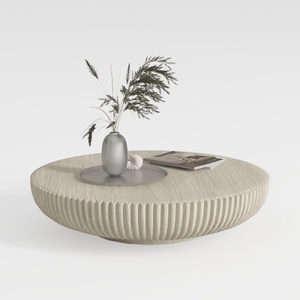
Minimalist Fluted Solid Wood Round Coffee Table 3D Model

Modern Dark Green Glass Door Display Cabinet Bookshelf 3D Model
Looking to transform your space? Homestyler offers a user-friendly online design tool that makes home styling a breeze. With stunning 3D renderings, inspiring design projects, and helpful DIY video tutorials, you can effortlessly create your dream home, regardless of your experience level.
立即免费设计
































