


Constructing 3D representations of plant and animal cells serves as an exciting method for delving into the subject of cell biology, whether for academic engagement or artistic endeavors. This undertaking entails research, material selection, and meticulous assembly to ensure accurate depictions. Begin by collecting detailed diagrams or reference visuals of both cell types, focusing on essential structures like the nucleus, mitochondria, cell wall (for plants), chloroplasts (specific to plant cells), and organelles that are unique to animals such as lysosomes and centrioles.
Select your modeling medium according to your objectives—clay, foam balls, recycled materials, or even digital design software like Homestyler. If you're crafting physical models, layout your design on paper first. Plant cells can be portrayed using rectangular forms to replicate the sturdy cell wall, while animal cells can be shaped in more rounded configurations. Distinct colors and textures should be employed to differentiate organelles—utilizing green for chloroplasts and purple for the nucleus, among others. Clearly labeling each component adds educational merit.
For those preferring to bypass manual construction, adopting a designer's perspective involves employing 3D rendering technologies or software that facilitates organic modeling. Applications such as Blender or SketchUp enable you to design intricate organic forms, apply textures, and produce realistic cell environments. Through tools like Homestyler, you can manipulate lighting and transparency to exhibit the semi-permeable characteristics of membranes or the complex layering of cells. As a designer, paying attention to color schemes, proportions, and usability enriches comprehension and visual attraction.
Tips 1:
When crafting cell models, choose materials that are readily accessible and non-toxic, particularly for educational uses. Introducing movable or detachable components enhances interactivity. For digital representations, consider utilizing layering techniques to highlight organelle arrangements and the three-dimensional aspects of cell structures.
FAQ
Q: What is the most suitable material for creating a 3D cell model?
A: Options such as foam, modeling clay, or digital tools can be quite effective. The choice hinges on your financial considerations, target audience, and desired level of interactivity in the model.
Q: What can I do to enhance the realism of my 3D cell model?
A: Concentrate on using accurate colors, scaling organelles appropriately, and employing textures to distinguish various structures. For digital models, utilize rendering software to achieve effects of transparency and light.
Q: What distinguishes plant cell models from animal cell models?
A: Plant cells are characterized by a rigid wall and the presence of chloroplasts, whereas animal cells generally have a more rounded shape and contain organelles like lysosomes that are absent in plant cells.
Q: Is it possible to build a 3D cell model without artistic talent?
A: Absolutely! You can utilize simple shapes and everyday materials, or take advantage of user-friendly digital modeling platforms like Homestyler that offer pre-designed templates.
Q: What are the benefits of constructing a 3D model in the study of cells?
A: It offers a concrete and visual approach to grasping cell structure and functionality, making abstract scientific concepts much more tangible and comprehensible.

Traditional Walnut Linen Upholstered 6 Seat Dining Table Set 3D Model
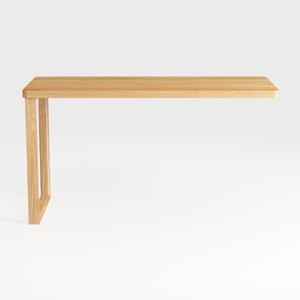
Minimalist Solid Oak Console Table Modern Simple Design 3D Model
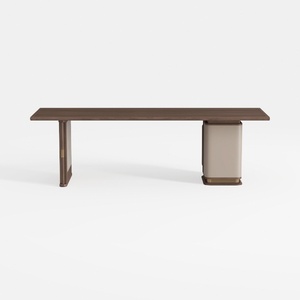

RJYYYDS Desk Game Table Home Office Desk Walnut De
Transform your home with Homestyler! This user-friendly online design platform offers an intuitive design tool, stunning 3D renderings, and a wealth of DIY video tutorials. Whether you're a novice or a pro, you can easily create beautiful spaces that reflect your style. Try it today!
Desain sekarang Gratis
































