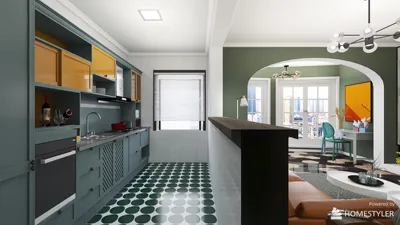


Black marble flooring establishes a distinctly modern atmosphere in any living room—exuding a sleek, dramatic, and understated luxury. The aim is to channel that striking foundation without overwhelming everyday life. To achieve this, it is essential to focus on lighting and proportion. The WELL v2 standard recommends that living areas reach ambient lighting levels of about 300–500 lux to enhance visual comfort and support circadian rhythms, which helps the black stone appear rich rather than somber. By incorporating warm-white lighting around 2700–3000K, the marble's natural veining gains dimension while maintaining flattering skin tones.
Attention to acoustic and ergonomic considerations is also paramount. Research by Steelcase highlights that sound and visual disturbances are significant causes of dissatisfaction in open spaces; this translates to a living room by managing sound reverberation from the hard marble surface. Using soft area rugs, upholstered sofas with ample support, and textured wall panels can minimize reflective noise while introducing a sense of tactile warmth. Additionally, color psychology plays a crucial role: According to Verywell Mind, combining neutral hues with select warm tones can create a more inviting atmosphere within spaces that are dominated by dark surfaces—consider utilizing cream fabrics and camel leather to soften the starkness of the marble.
Establish the Visual Grammar: Vein Direction, Scale, and Balance
When working with black marble, the direction of the veining essentially becomes the rhythm of the space. I prefer large-format slabs or oversized tiles to reduce the appearance of grout lines and create a seamless visual experience. If the veining is diagonal, position the primary sofa parallel to the most prominent lines to create stability across the room. In the presence of a bold pattern, opt for subtler wall finishes—such as limewash, matte plaster, or gentle microcement—to maintain visual harmony. For planning both layout and traffic flow, I first outline circulation paths and then establish seating areas within pools of natural light. For those experimenting with various furniture layouts, a room layout tool like Homestyler can assist in visualizing scale and sightlines before finalizing decisions.
room layout tool
Layered Lighting: From Glow to Spark
Black marble thrives on a layered lighting approach. Begin with a dimmable ambient layer, utilizing recessed or cove lighting at 300–500 lux, then complement it with a warm, softer glow around the perimeter to counteract the traditional ‘void’ effect of dark floors. Task lighting—in the form of swing-arm floor lamps positioned near reading chairs—should be around 500 lux. Accent lighting is equally crucial: wall washers to highlight artwork, under-console LED strips to create a floating effect for furniture, and a singular sculptural pendant for added interest. Prioritize glare control using diffusers and adhere to shield angles as per IES recommendations, ensuring a consistent color temperature to avoid visual fragmentation.
Contrast that Warms: Textiles, Wood, and Metals
A black floor naturally beckons for contrast that invites warmth. I layer various natural fibers including bouclé or chenille upholstery, low to medium pile wool rugs, and linen drapery that allows light to filter through without diminishing it. Incorporating wood tones—like walnut, smoked oak, or light ash—introduces a touch of organic warmth that seamlessly connects the floor with the overall color palette. When it comes to metals, it's wise to maintain discipline. Choose one dominant finish (such as brushed brass or blackened steel) alongside a complementary accent to ensure cohesion. While polished chrome is acceptable, it should be used sparingly; due to the inherent reflectivity of black marble, an overabundance of shine can lead to visual fatigue.
Color Psychology: Calming Neutrals, Confident Accents
Given that black is visually weighty, I advocate for a restrained color approach. Shades like cream, warm white, and greige create a serene backdrop, while accents of camel, rust, or terracotta introduce grounded tones that evoke a sense of relaxation. In contemporary homes, deeper shades—such as ink blue or forest green—can accentuate the palette in small doses on cabinetry, artwork frames, or a singular accent chair. The key is balance: restraining saturated colors to no more than 20–30% in the main living area allows the flooring to remain the focal point without sacrificing warmth.
Furniture Layouts: Islands, Axes, and Sightlines
When dealing with black marble, furniture should appear to float. I recommend designing seating islands using a rug that extends at least 8–12 inches beyond the sofa’s outline to physically separate the seating area from the hard-edged perimeter. Align the main axis with either the view or fireplace, positioning secondary seating at 90 or 45 degrees to enhance conversational flow. Opt for low-profile pieces to maintain visibility and an open horizon, enhancing the feeling of space created by the marble floor. If the living area connects to a dining space, ensure a clearance of at least 36 inches around seating to facilitate comfortable movement.
interior layout planner
Acoustic Comfort: Quieting the Hard Plane
Hard flooring can amplify sound; therefore, it’s important to incorporate strategic softness. Opt for a dense wool or recycled PET rug to absorb mid to high frequencies. Upholstered furniture crafted with multiple foam layers adds mass which can also curb noise. Consider installing wall-mounted acoustic fabric panels or framed textile art to manage sound reverberation. In modern homes featuring open ceilings, look into acoustic baffles which can also serve as design elements. This approach leads to a serene black marble living area that not only looks tranquil but sounds balanced.
Daylight and Reflection Management
Black marble will reflect natural light and objects within the room. Layering sheer to opaque drapery allows for the management of daylight while avoiding harsh reflections. Choose satin or honed finishes for the marble to mitigate glare compared to high gloss, which I prefer to reserve for entryways or accent areas where drama is beneficial. Position screen surfaces slightly off tap to direct reflections away, enhancing comfort during evening television viewing.
Material Selection: Marble Types, Finishes, and Care
Popular options include Nero Marquina and Grigio Carnico, each presenting unique vein patterns. Honed finishes are easier to maintain in terms of visibility of footprints and minimize glare, whereas polished finishes radiate luxury but require stricter care. It’s prudent to seal high-traffic zones and choose slip-resistant treatments especially for households with children or pets. Combine the marble with breathable wall paints and natural textiles to manage moisture and temperature fluctuations effectively.
Sustainability and Longevity
The durability of marble is an asset for sustainability. Its longevity can surpass numerous redecorations when maintained properly. Utilize locally sourced stone whenever feasible and complement it with FSC-certified wood and textiles containing recycled materials. Employing high-efficiency LED lighting minimizes energy consumption; warm-dim drivers preserve a cozy evening environment devoid of harsh blue hues.
My Go-To Styling Moves
I gravitate towards oversized artwork to balance the floor's heaviness, a monolithic coffee table that centers the seating area, and a carefully curated color palette in linen, kraft, and black to reflect the flooring. Adding a singular plant, such as an olive tree or rubber plant, introduces life into the space while avoiding clutter.
Reference for Workplace-Grade Comfort
Comfort benchmarks from WELL and workplace studies surprisingly apply to home living rooms: glare reduction, layered lighting, and sound absorption enhance day-to-day satisfaction. For additional insights on lighting quality and visual comfort, I frequently direct clients towards WELL and IES resources.
WELL v2
FAQ
Using warm-white lighting at 2700–3000K creates an inviting ambiance while enhancing the marble's veining. Combine this with ambient illumination of around 300–500 lux to prevent the room from appearing overly dark or flat.
To introduce tactile contrast, utilize wool rugs, bouclé fabrics, and warm wooden elements. Incorporating small accents of camel or terracotta can enrich the color palette without competing with the flooring.
Honed finishes offer a more forgiving surface that reduces glare, while polished finishes add drama but showcase footprints and reflections more intensely. I often blend these approaches, using honed finishes in main areas and polished at thresholds.
The rug should cover the complete footprint of the seating area, extending at least 8–12 inches on each side. This layout visually elevates the furniture and enhances acoustic comfort.
Incorporate absorptive elements such as dense rugs, upholstered seating, fabric wall art, and curtains. For spaces with high ceilings, consider implementing acoustic baffles.
Wood options like walnut and smoked oak, along with brushed brass, provide warmth, while blackened steel introduces a crisp contrast. Limit metallic finishes to a primary and a secondary to enhance cohesion.
Anchor a sofa to face the main axis—either the view or the fireplace; arrange chairs at 90 or 45 degrees, ensuring a clearance of 36 inches for movement. Use tools like Homestyler to experiment with layout options.
Select honed or satin finishes for main living spaces, layer sheer curtains to manage natural light, and position screens slightly off reflective angles to mitigate glare.
Absolutely, as long as the design incorporates lighter walls, low-profile furniture, and effective ambient lighting. Opting for large-format tiles can significantly reduce visual clutter, providing a sense of spaciousness for the floor.
Maintain by regularly dusting, using pH-neutral cleaning agents, and sealing high-traffic areas periodically. Protect the finish by placing felt pads under furniture and avoiding acidic spills.
Originally incubated at Autodesk, Homestyler has grown into one of the most widely adopted home design platforms in the world, now trusted by over 18 million users. Whether you're a homeowner exploring ideas or a professional designer delivering client-ready renders, Homestyler brings industry-leading 3D technology to your fingertips — no experience required.

Black Velvet Tufted Contemporary L Shaped Sectional Sofa 3D Model
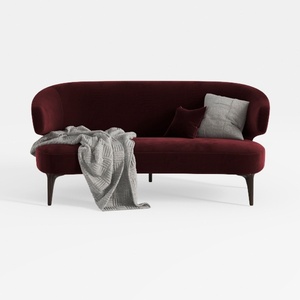

Modern Burgundy Velvet Curved Loveseat Sofa with Throw Pillows 3D Model

Minimalist Dark Walnut Round Side Table 3D Model
Homestyler is your go-to online home design platform! With an easy-to-use design tool, stunning 3D renderings, inspiring design projects, and comprehensive DIY video tutorials, you can effortlessly create and visualize your dream spaces. Unleash your creativity with Homestyler today!
Desain sekarang Gratis
































