


Developing a 3D model of the HIV virus can be an effective method for illustrating its structure and functionality, serving educational, research, and design objectives. Initially, gather visual references like scientific illustrations that showcase the virus's spherical envelope, glycoprotein spikes, capsid, and RNA core. By utilizing 3D modeling tools such as Blender or SketchUp, or even educational design platforms like Homestyler, you can commence with creating a spherical representation of the viral envelope. Subsequently, add the protruding glycoprotein spikes evenly on the surface, maintaining accuracy in proportion and positioning. For the internal core, construct a conical or cylindrical capsid and position the RNA strands within. Employ various colors, transparency effects, and surface textures to make each component distinct. Integrating advanced lighting and rendering techniques can enhance the realism of your visuals, particularly accentuating the lipid envelope. If your model is intended for classroom presentations or online demonstrations, consider animating it to illustrate how the virus enters a host cell or its replication process.
Suggestions
As a designer, it’s beneficial to utilize specialized visualization platforms that improve anatomical precision. Tools equipped with comprehensive biological libraries and advanced rendering features can significantly simplify the process. Homestyler is a fantastic option to explore as it not only ensures realistic rendering of biological models but also facilitates animation and intricate detail enhancement, which are crucial for accurate medical presentations and appealing design.
Common Questions
Q: Which software is ideal for constructing a 3D model of the HIV virus?
A: While Blender and SketchUp are widely used, if you're aiming for realistic visual effects, look into specialized platforms that offer biological libraries and advanced 3D visualization capabilities.
Q: What are the essential structural elements to include in my model?
A: Be sure to include the viral envelope, glycoprotein spikes (GP120/GP41), capsid, and the RNA genome to ensure accuracy.
Q: Is it possible to animate the HIV model to illustrate its lifecycle?
A: Certainly! Many design tools provide animation options that enable you to depict processes such as viral entry, replication, and budding.
Q: Why is coloring significant in a 3D virus model?
A: Color differentiation for various components is crucial as it enhances understanding and supports visual education.
Q: How can I maintain scientific accuracy while creating my 3D model?
A: To achieve accuracy, consult reputable virology literature, ensure correct scale and proportions, and seek insights from scientific publications or experts when feasible.
Originally incubated at Autodesk, Homestyler has grown into one of the most widely adopted home design platforms in the world, now trusted by over 18 million users. Whether you're a homeowner exploring ideas or a professional designer delivering client-ready renders, Homestyler brings industry-leading 3D technology to your fingertips — no experience required.
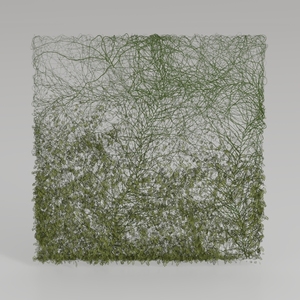
Natural Green Vine Wall Panel Decorative 3D Model

Minimalist White Glass Top TV Cabinet 3D Model

Minimalist White Solid Wood TV Stand Cabinet 3D Model
Homestyler is your go-to online home design platform! With its intuitive design tool, stunning 3D renderings, and extensive project library, you can effortlessly create beautiful interiors. Plus, the user-friendly video tutorials will guide you every step of the way. Transform your space with ease!
Design Now for FREE
































