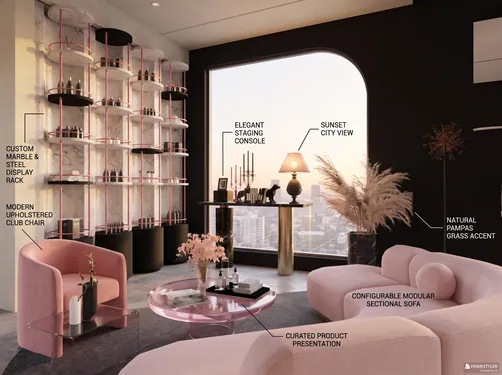

I've chosen numerous small wrought iron table-and-chair combinations for compact spaces such as balconies, cozy patios, intimate dining corners, and café settings. When working with limited space, the slim profiles and structural efficiency of wrought iron offer an exceptional blend of durability and sophistication without overwhelming the visual space. Incorporating a tool like Homestyler can assist in visualizing these setups effectively.
Prioritizing size and ergonomics is crucial. For snug dining areas, a round bistro table measuring between 24 to 28 inches (60 to 70 cm) usually accommodates two without impeding circulation. Ideally, seat heights around 17 to 18 inches paired with table heights of 28 to 30 inches promote good posture for most users and align with ergonomic guidelines common in seating design. Adequate lighting is equally important: the Illuminating Engineering Society suggests around 200 to 300 lux for casual dining, ensuring food and surfaces are easily discernible without glare. In workplace cafés tailored for leisure breaks, I aim for slightly higher illumination—300 to 500 lux at tabletop level—considering contrast and shielding to minimize glare areas. For overall wellness, WELL v2 emphasizes glare reduction and visual quality as vital components for occupant comfort, even in compact dining settings. You can learn more about these aspects at WELL v2 (wellcertified.com).
The durability of materials is another significant advantage backed by research. Powder-coated wrought iron withstands wear and environmental factors far better than many conventional paint finishes for aluminum, and its weight enhances stability against winds typical for elevated balconies. Research conducted by Steelcase on restorative spaces indicates that small escape zones featuring comfortable seating significantly increased perceived well-being and reduced daytime stress—principles that fit neatly into designing a tiny terrace where a sturdy wrought iron set can transform into a dependable micro-sanctuary (steelcase.com/research).
Design Guidelines for Compact Iron Sets
Visually, wrought iron is lighter than bulky wood because the eye can navigate through its open designs and delicate elements. In a balcony measuring 36 to 48 square feet, I recommend keeping furniture coverage below 40% of the area to maintain a practical flow and ease of cleaning. Round tables facilitate movement better than square ones, and armless chairs simplify sliding in and out in limited spaces. For irregular layouts, opting for a small pedestal base can minimize trip hazards by concentrating the legs in the center.
The comfort of seating is often underestimated with metal furniture. I prefer specifying curved seat pans with a backrest rake of at least 10 to 15 degrees, along with optional quick-dry cushions measuring 1.5 to 2 inches in thickness. Color options like warm neutrals (charcoal, pewter, or gentle black) complement virtually any design palette. Accent cushions or table decorations can reflect color psychology: greens create a calming, nature-inspired atmosphere, while soft yellows can subtly energize the space—use them sparingly to avoid overwhelming visual clutter.
Sizing and Proportions
- For a two-person balcony set, consider a 24 to 26 inch round table with two armless chairs, ensuring a total clearance radius of approximately 30 to 32 inches for easy access.
- In a micro dining area, a 28 inch round or a 24 by 28 inch oval table significantly enhances thigh clearance against walls.
- For those needing foldable options, tables with tops measuring 23 to 24 inches and fold-flat chairs can be conveniently stored under beds or in closets.
Should you wish to experiment with layouts or check chair clearances before purchasing, utilizing a digital design tool can be productive. By using an interior layout planner, you can visualize a 26-inch tabletop in relation to railings or banquettes: room layout tool.
Finishes, Maintenance, and Sustainability
Powder-coat finishes surpass standard paint for exterior use and are low in volatile organic compounds (VOCs). Seek out multi-stage finishes that include a zinc primer, followed by a powder topcoat, and ensure there are drain holes in hollow sections. In coastal settings, prioritizing marine-grade coatings and rinsing hardware periodically will help prevent salt accumulation. On the sustainability front, iron is highly recyclable; combining it with FSC-certified wood slats or recycled PET cushion fabrics can help reduce environmental impact.
Managing Light, Shade, and Glare
Glare can often be problematic with dark, reflective table surfaces. Opting for matte or textured powder coats, or utilizing a breathable table runner can help minimize reflections. Aim for a layered lighting approach: a shielded wall sconce (2700–3000K), a portable lantern with diffused optics, and soft candlelight accents. Position lighting so that it sits outside the direct line of sight when seated. My target is about 200 to 300 lux on the dining table, gradually tapering to 50 to 100 lux at the edges for a cocoon-like ambiance.
Acoustics and Micro-Zone Comfort
Metal furniture can create a pinging sound in lively environments. Incorporating a small outdoor rug (made of recycled PET) and using seat pads can help dampen noise. Planting greenery—especially species with broad leaves—can scatter sound and soften the appearance of wrought iron structures. For indoor environments, using felt glides on chair legs can minimize scraping noise and protect grout lines between tiles.
Spatial Layout Techniques
- Position tables toward the view instead of the wall, maintaining a minimum of 24 inches behind chairs to allow for comfortable passage.
- Rotate the furniture set at a 15 to 20-degree angle to align with the balcony's diagonal line, giving a perception of depth.
- If utilizing glass railings, position the table edge 3 to 4 inches from the guard for clear sightlines and to prevent smudging.
- Consider a semi-circular table against a wall to regain 6 to 10 inches of circulation space in extremely tight areas.
To test out these arrangements without physical labor, simulate spacing and chair movement arcs with a layout simulation tool here: interior layout planner.
Style Suggestions
- Parisian bistro style: features slatted iron chairs, a round marble-look tabletop (composite or sealed stone), and striped cushion pads.
- Modern minimalistic approach: incorporates thin rod frames, a micro-perforated tabletop, and a dark graphite finish.
- Mediterranean vibe: includes ornate scrollwork details, warm terracotta fabrics, with accents in olive or sage green.
- Industrial chic: highlights raw-look iron with a matte clear coat and reclaimed wood seat inlays.
Comfort Enhancements That Matter
- Ergonomic features: a gentle curvature in the backrest encourages longer, comfortable seating without fidgeting.
- Cushion quality: a medium-firm foam (35–45 kg/m³) maintains its shape well outdoors.
- Thermal considerations: light-colored frames remain cooler in the hot sun; during chillier months, a breathable throw can counteract the iron’s conductive properties.
Safety and Security
Select tables that come with leveling glides adaptable for uneven balcony surfaces. Heavier tables weighing between 18 to 25 lbs provide substantial wind resistance while remaining portable. Avoid using glass tops where there’s a risk of falling objects or hail; instead, choose composite or stone tops with rounded edges. Always check the load limits of your balcony, particularly in older buildings, before introducing planters and heaters along with your iron furniture set.
Purchasing Guidelines
- Proper scale: aim for a 24 to 28-inch tabletop for two individuals; increase to a 30 to 32-inch top if you frequently accommodate an extra guest.
- Choose a robust finish: look for a zinc-rich primer plus an outdoor-specific powder coat for durability.
- Comfort elements: review the backrest angle, seat curvature, and the thickness of cushions.
- Maintenance features: rust-resistant fasteners and drainage options are important alongside replaceable glides.
- Storage solutions: opt for chairs that fold or stack for seasonal storage needs.
Frequently Asked Questions
A 24 to 26-inch round table typically accommodates two people comfortably while allowing for sufficient circulation. Ensure at least 24 inches behind pulled-out chairs for easy passage.
They can indeed be comfortable if the seat pan and back are specifically formed to contour to the body. For longer periods, consider adding 1.5 to 2-inch quick-dry cushions to aid in pressure distribution.
Darker metal surfaces can absorb excess heat. It's advisable to select lighter finishes, provide ample shade, and utilize runners or placemats to reduce thermal discomfort effects.
You should aim for approximately 200 to 300 lux at the tabletop when dining casually, employing shielded light fixtures or diffused lanterns to minimize glare.
Adopting a multi-stage finishing process that includes a zinc-rich primer along with an outdoor-rated powder coat significantly enhances resistance to corrosion. Be sure that there are drainage holes present in hollow components.
Round tables facilitate better movement in limited areas and eliminate sharp corners. Additionally, placing semi-circular tables against walls can save even more space.
Enhance noise reduction by incorporating felt or nylon glides on furniture feet, placing a flatweave outdoor rug, and considering rubber bumpers beneath table bases.
A standard height of 28 to 30 inches works well with a seat height of 17 to 18 inches, supporting a neutral elbow posture suited for most adults.
Yes, as long as the hinges and fasteners are made from stainless or galvanized materials and the frames are powder-coated. Always check for movement in joints prior to making a purchase.
Maintain a neutral frame color (like charcoal or pewter), incorporate one accent color within your cushions, and add plants to soften the hard lines of wrought iron.
Certainly. Adding felt glides can protect flooring, and opting for matte finishes will help control glare when under indoor light sources.
Manage glare, ensure comfortable lighting conditions, and offer a soothing color palette. These strategies align with the WELL v2 framework focusing on visual comfort.
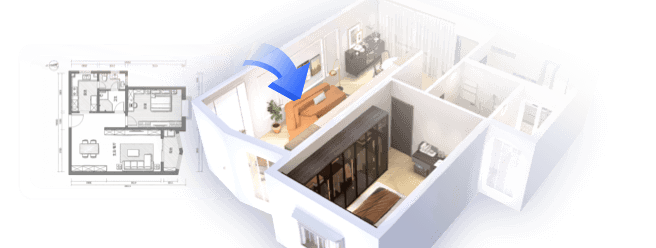
What began as an Autodesk innovation has evolved into a design platform used by more than 20+ million registered users (platform data, 2026) around the globe. Homestyler combines powerful rendering, an intuitive editor, and a vast furniture library to help you turn inspiration into photorealistic designs — whether you're redesigning a single room or planning an entire home.
If you're looking to elevate your home design game, look no further than Homestyler! This innovative platform offers an intuitive online design tool, stunning 3D renderings, a plethora of design projects, and informative video tutorials. Easily transform your ideas into reality, all from the comfort of home!
Design Now for FREE