


I have created many pooja rooms in various apartments and villas, where granite stands out as my go-to choice for altars and platforms. Its resistance to staining from oil lamps and incense, ease of daily cleaning, and substantial appearance make it ideal for sacred spaces. Choosing the right granite—considering finish, color, and scale—can significantly enhance both its reverence and functionality, especially when visualizing the layout with tools like Homestyler.
Granite also supports a health-conscious environment, particularly when combined with appropriate lighting and ergonomic design. The WELL Building Standard emphasizes that proper illumination and glare reduction contribute to overall comfort and maintain our circadian rhythms; aim for layered task lighting between 300-500 lux near the wall of deities while ensuring diffused ambient lighting to mitigate hotspots (source: v2.wellcertified.com). Herman Miller's studies on human factors demonstrate that using proper seating and kneeling arrangements can ease strain during repetitive rituals, emphasizing the need for elements such as well-placed kneeling pads and correct altar heights.
From a color psychology perspective, I prefer warm neutrals to create a tranquil atmosphere during prayers, avoiding bright, high-contrast combinations that might be overly stimulating. Verywell Mind indicates that shades of warm whites and beiges foster comfort and serenity, which pairs beautifully with gold accents and natural wood elements typically used in pooja decor (verywellmind.com/color-psychology). Furthermore, incorporating the tactile richness of honed granite adds to a grounded and dignified ambiance, effectively controlling sound—its mass absorbs low vibrations while soft rugs and curtains manage higher frequencies.
Selecting the Ideal Granite for Pooja Rooms
Granite comes in a vast array of grains, veining, and undertones. For a serene aesthetic, I recommend tight-grained varieties like Kashmir White, Moon White, or Black Galaxy, which feature small, uniform flecks. Patterns that are too busy can be distracting during meditation. I typically favor honed or leathered finishes over glossy options; honed surfaces diminish glare under both oil lamps and LED lights, while leathered textures subtly conceal fingerprints. The choice of edge profiles is also crucial—an eased or demi-bullnose edge helps prevent chipping and is more comfortable for elbows when setting up offerings.
Proportions, Height, and Sacred Ergonomics
Altar height should correspond with the intended posture of the user. For standing prayers, a platform height of 36-38 inches usually keeps deity images at eye level for most adults. For kneeling or seated prayers on a low asana, a height of 26-30 inches can alleviate strain on shoulders and wrists when placing offerings. Additionally, to avoid accidental bumps, ensure the primary idol is positioned 10-14 inches from the front edge, and maintain an accessible reach zone of 18-22 inches for daily items like incense, bells, and lamps. Effective cable management for diya warmers or lighting should be hidden within a granite ledge or routed channels, ensuring a visually clean appearance.
Color Coordination and Creating a Sacred Atmosphere
Consider dark or deep charcoal granites paired with warm metallic elements (such as brass aarti plates and copper bells) alongside walnut cabinetry for a striking, temple-like atmosphere. Light-colored granites—like cream, pale gray, or soft white—can transform the area into an airy sanctuary, especially in compact apartments. Introduce subtle accent colors through textiles; traditional shades like saffron and maroon can be effective, but muted tones will ensure that the granite serves as the focal grounding element. Employ matte finishes on surrounding walls to prevent glare that conflicts with the reflective minerals in granite.
Illumination: Balancing Devotion with Visual Comfort
A layered lighting approach maintains both reverence and functionality in the space. A warm spotlight (2700-3000K) positioned above the deity highlights textures delicately, and dimmable settings allow for smooth transitions from morning rituals to evening aartis. Following the recommended practices for interior lighting by IES, it's critical to maintain uniform lighting levels while controlling glare—exposed bulbs should be avoided at eye level, and baffles or frosted diffusers should be used on niche lighting (ies.org/standards). Incorporating discreet backlighting behind carved panels or stone sculptures can enhance depth perception. For safety measures related to flames, ensure lamps are distanced from vertical surfaces and finished edges to prevent soot accumulation.
Seamless Integration of Floors and Walls
Consistency in design is key. If the altar slab is dark, introducing a lighter stone for skirting or a wood base visually anchors the piece without stark contrast. For walls, a granite cladding panel behind the idol can be both durable and easy to maintain, extending slightly beyond the altar width to create a cohesive look. To enhance acoustics, use a natural fiber runner rug to minimize sound. Proper ventilation is essential, as incense and camphor produce particulates; a quiet, low-sone exhaust system or operable window will help maintain air quality without disturbing the sacred ambiance.
Optimizing Storage and Ritual Processes
A pooja room can greatly benefit from discreet storage options: a shallow drawer for matches and incense, a ventilated nook for oil and ghee, and concealed shelves for seasonal decorations. Daily-use items should remain within easy reach, while infrequent use items can be stored higher. Magnetic catches or soft-close mechanisms will minimize noise. If your pooja setup shares space with a living area, planning the layout with a room layout tool, such as Homestyler, helps assess flow design, kneeling areas, and lines of sight to the idol.
Practicality in Finishes and Maintenance
To protect granite surfaces from oil stains caused by lamps and prasadam, seal annually with a penetrating, food-safe sealer. Avoid acidic cleaners that may etch surrounding materials; using pH-neutral cleaners is advisable. During rituals, utilize a brass or ceramic aarti tray on the slab to safeguard the finish. Microfiber cloths are perfect for gentle daily dusting without causing scratches. For heavier soot, a mild stone soap should be used, followed by a thorough rinse, and re-sealing as necessary.
Detailing the Altar: Edges, Inlays, and Relief
Simplicity is ageless. Adding a delicate brass inlay line along the altar perimeter provides an element of sacredness without cluttering the visual space. If decorative motifs are desired, shallow relief carvings on a separate stone panel are preferable as they facilitate cleaning and reduce the risk of damage. For smaller pooja spaces, cantilevered granite shelves with hidden brackets can keep the base clear for kneeling while beautifully displaying idols at varying heights.
Solutions for Small Spaces
In studio apartments, a vertical pooja niche can make a significant difference. Opt for a 16-20 inch wide granite shelf unit with integrated LED lighting and a sliding tambour door to conceal the space when not in use. Incorporating mirrors on side panels can enhance the perceived width, but ensure that reflectivity remains muted to prevent distraction. A foldable kneeling pad that fits under the lowest shelf can help maintain ritual posture in compact settings.
Sustainability and Material Considerations
Whenever possible, select locally sourced granite to minimize transportation consequences and ensure finishes that suit the local climate. A leathered finish may require less frequent polishing than a high-gloss option, reducing the need for maintenance products. Combining granite with FSC-certified timber and low-VOC finishes for cabinetry is advisable. As pooja rooms often feature incense and lamps, choosing natural fiber textiles and ensuring adequate airflow will support indoor air quality.
Frequently Asked Questions
Q1: Which granite finish is ideal for pooja rooms—honed, leathered, or polished?
A: Honed and leathered finishes are preferred. The honed surface diminishes glare under warm lighting, while the leathered texture conceals fingerprints effectively. Polished finishes may appear formal but can reflect light excessively near lamps.
Q2: What is the recommended altar height?
A: For standing prayers, a height of 36-38 inches is ideal for most adults. For sitting or kneeling rituals, a height of 26-30 inches reduces strain on shoulders and wrists.
Q3: How can I prevent oil stains from diyas on granite surfaces?
A: Apply a food-safe penetrating sealer annually and use a designated brass or ceramic tray during aarti. Promptly clean up spills with a pH-neutral cleaner to maintain the finish.
Q4: Which granite colors promote a serene, sacred ambiance?
A: Gentle whites, creams, and soft grays encourage tranquility; deeper blacks and charcoals produce a temple-like atmosphere when intertwined with warm metallics and natural wood.
Q5: What lighting temperature is appropriate for a pooja room?
A: Warm white lighting (2700-3000K) is recommended for highlighting deities, with ambient layers set to 300-500 lux to ensure visibility while avoiding glare, as outlined by WELL guidelines.
Q6: Can I use granite cladding on my walls?
A: Absolutely. A granite panel mounted behind the idol is both durable and easy to clean. Just ensure the pattern is subtle to prevent visual distraction during meditation.
Q7: How do I address incense smoke and soot?
A: Implement efficient ventilation through a low-noise exhaust fan or an openable window, and clean surfaces with a gentle stone soap. Regular sealing will further help resist stains.
Q8: What edge profile should I opt for to ensure safety?
A: Eased or demi-bullnose edges will minimize chipping and provide comfort for hands and arms while handling offerings.
Q9: How can I effectively manage storage in a compact pooja corner?
A: Incorporate shallow drawers for daily necessities, ventilated compartments for oils, and soft-close mechanisms to ensure quiet operation. Items used frequently should stay within an 18-22 inch reach.
Q10: Is polished granite too reflective for a bright pooja room?
A: In well-lit spaces, polished may produce glare. Consider honed or leathered finishes and include diffusers near light sources to manage reflections.
Q11: What type of flooring complements granite altars?
A: Rugs made from natural fibers soften sounds and provide comfort for kneeling. Wood or light stone flooring helps maintain a grounded, serene look.
Q12: How can I discreetly integrate technology?
A: Conceal electrical wiring within granite aprons or routed channels, use dimmable drivers behind panels, and place switches within cabinetry to uphold a clean and sacred aesthetic.
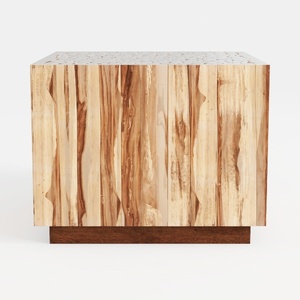

Minimalist Solid Wood Accent Cabinet with Textured Top 3D Model
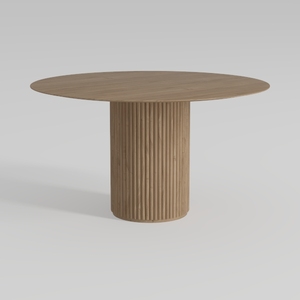
Minimalist Solid Oak Fluted Round Dining Table 3D Model
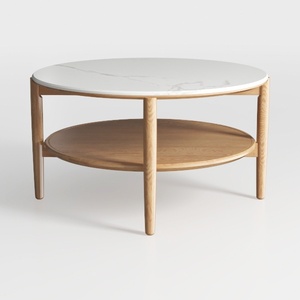
Minimalist Marble Top Solid Oak Round Two Tier Coffee Table 3D Model
Homestyler is your go-to home design platform, perfect for transforming your space with ease. Its user-friendly online design tool, stunning 3D renderings, diverse design projects, and engaging DIY tutorial videos make it simple to create your dream home. Start designing today!
Design jetzt kostenlos
































