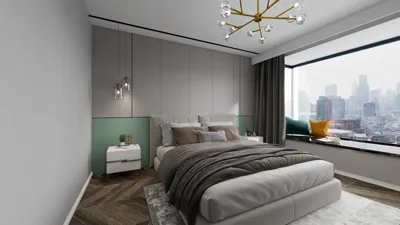


I once had a client who was adamant about positioning the bed to face the window due to the belief that "fresh air brings luck" — after spending an afternoon exploring various angles, I learned that intention is ultimately more impactful than superstition. This experience taught me to approach small rooms as if they were puzzles, where limitations encourage creative solutions and sometimes, better alternatives are discovered by chance. If you're seeking inspiration for arranging small spaces, let me guide you through five feng shui-approved concepts that genuinely work in real-life settings, and don’t forget about the convenience of using tools like Homestyler to visualize your designs.
1. Establish the Bed as the Focal Point and Allow for Space Around It
In every project, I start with the bed, as everything else revolves around it. Position the bed against a sturdy wall (avoiding a slanted ceiling, if possible) and ensure there's some clear space on at least one side to allow energy — or chi — to flow freely. This not only creates a serene focal point but also accommodates the challenges posed by compact rooms; therefore, opt for space-saving nightstands to maintain the energy's flow.
save pin
2. Utilize Mirrors to Enhance Natural Light (With Caution)
Mirrors can work wonders in small bedrooms: they contribute to a sense of openness, reflect natural light, and brighten dim areas. For feng shui considerations, I steer clear of positioning mirrors directly facing the bed, as it may disrupt restful sleep for some individuals. A well-placed mirror can significantly enhance the perception of space and vitality, but moderation is key; too many mirrors might create a chaotic atmosphere.
save pin
3. Incorporate Layers of Lighting and Conceal Clutter
Layering lighting (ambient, task, and accent) softens energy levels and establishes zones in rooms as small as 9–10 square meters. I often combine wall sconces with a sleek lamp and a dimmable ceiling light to foster a calm ambiance during the evenings. For storage solutions, consider vertical shelves and under-bed options — these space planning strategies are invaluable when aiming for a tranquil feng shui layout without incurring hefty renovation costs.
save pin
4. Opt for Calming Colors and Natural Materials
In constrained areas, I prefer soft, muted color palettes—such as gentle greens, warm beiges, or soft blues—that promote relaxation and positive chi. Adding natural elements like bamboo curtains or a linen throw brings texture without overwhelming the senses. The trade-off is that a neutral theme might appear dull without a striking accent, so incorporating a piece of artwork or a vibrant cushion typically does the trick.
save pin
5. Ensure Pathways are Unobstructed and Visualize the Flow
Feng shui fundamentally focuses on ensuring a good flow: ensure that the pathway from the entrance to the bed is unobstructed and that closet doors can swing fully open. If you're planning a design or reorganization, it helps to envision different configurations before moving heavy pieces — many of my clients appreciate the ability to visualize in 3D using tools like Homestyler, which allows for quick testing of layouts and minimizes back strain and poor choices, even if the wardrobe ends up relocated a couple of times before achieving satisfaction.
save pin
FAQ
Q1: What is the optimal position for a bed in a small bedroom according to feng shui?
The best setup positions the bed against a solid wall with a clear view of the door, but not directly aligned with it. Ensure there’s at least one side accessible for smooth energy circulation and easy entry and exit.
Q2: Are mirrors suitable for feng shui bedrooms?
Absolutely, mirrors can enhance spaciousness and reflect light, but they should not face the bed directly. A mirror opposite a window usually amplifies natural light while preserving sleep quality.
Q3: What colors are ideal for a feng shui small bedroom?
Soft, muted shades like sage green, warm beige, or pale blue foster tranquility and balance. Adding a single accent color prevents the space from feeling monotonous.
Q4: How can I manage storage without obstructing chi?
Utilize under-bed storage, vertical shelving, and built-in niches to keep surfaces uncluttered. Closed storage is crucial for maintaining a peaceful visual environment, essential for effective feng shui.
Q5: Is it beneficial to include plants in a feng shui bedroom?
Small, healthy plants can enhance air quality and introduce gentle energy into the space. Avoid large, spiky varieties near the bed; prefer soft-leaved plants and keep them well nurtured.
Q6: How significant is the alignment of the bedroom door?
Ideally, a bed should not be directly aligned with the door (known as the "coffin position"). If unavoidable, employ low screens or furniture to mitigate direct sightlines and soften incoming energy.
Q7: Can feng shui principles influence sleep quality?
Numerous individuals report enhanced rest after decluttering, improving lighting, and establishing a soothing layout. The National Sleep Foundation emphasizes that a tidy, comfortable bedroom is conducive to healthier sleep patterns and hygiene.
Q8: Where can I experiment with various layouts before moving my furniture?
You can quickly sketch out floor plans or utilize free online room design tools to experiment with different configurations virtually; this digital approach often saves time and physical effort.
Homestyler is your go-to online home design platform, perfect for anyone looking to create beautiful spaces. With its user-friendly design tool, stunning 3D renderings, and a wealth of inspiring design projects and DIY video tutorials, transforming your home has never been easier or more enjoyable!
Progetta ora GRATIS
































