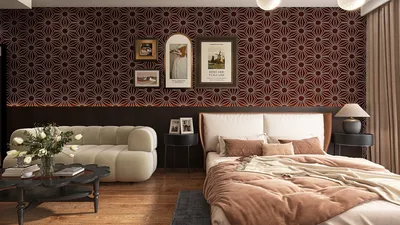


Fabric wall panels offer a unique combination of acoustic comfort and visual elegance. In my design projects, they consistently help to manage echo, soften sharp reflections, and add a tailored texture that paint or wallpaper simply cannot achieve. The measurable advantages are significant; in open-concept workspaces, Steelcase notes that excessive noise is one of the leading barriers to concentration and well-being. Achieving a reverberation time of about 0.6–0.8 seconds is often an attainable goal for smaller rooms that require clarity. Furthermore, the WELL v2 standard emphasizes Noise as a fundamental aspect of indoor environmental quality, linking sound management to enhanced cognitive performance and reduced fatigue. When it comes to color and ambiance, Verywell Mind highlights that shades of blue can foster calmness and focus, whereas greens promote rejuvenation—valuable considerations when selecting fabrics for spaces like bedrooms, home offices, or studies, especially when utilizing tools such as Homestyler for design visualization.
Acoustic enhancement is more than just a perception; it's rooted in physics. Persistent echo, which is often found in spaces with hard flooring, drywall, and glass, causes voices to scatter, music to lose nuance, and can lead to increased fatigue. Incorporating mid to high-frequency absorption through fabric-wrapped mineral wool or polyester panels diminishes flutter echo and boosts speech clarity—essential for environments where remote communication and content creation occur regularly. For those involved in workplace design, the Herman Miller research library serves as an excellent resource that provides insights on how well-managed soundscapes enhance productivity and satisfaction. For teams aiming to meet wider environmental standards, the WELL Certification resource offers data-driven strategies focused on acoustics, lighting, and air quality management.
Design Objective: Harmonize Sound, Texture, and Proportions
When I create panels, my goal is to complement the rhythm of the room rather than overpower it. Proportions are critical; panels perform optimally when they cover approximately 15–25% of the wall area in smaller rooms characterized by recurring echo. This coverage should be distributed among the first reflection points (ideal for stereo setups or home theaters) and placed with a weighted focus behind the listener for enhanced speech clarity. In redesigning living areas, I strive for a balanced approach—incorporating a few absorbing panels for clarity while also introducing diffusive elements like bookshelves or sculpted wooden features to maintain a lively atmosphere. Leveraging color psychology is important: cooler neutrals create a grounded work environment; warm earth tones soften lounge areas; and deep, muted colors can bring warmth and intimacy to media rooms, which can all be planned using Homestyler.
Materials: What Structures and Textures Are Effective
Essential materials play a crucial role in performance. Options such as mineral wool (rockwool) or dense fiberglass boards with a density of around 3–4 lb/ft³ are dependable; polyester acoustic batts serve as a low-irritant alternative. To achieve effective speech-frequency absorption, starting with a thickness of 2–4 inches is recommended, adding a 1–2 inch air gap behind the panel to enhance performance without requiring additional material. For the outer fabric, breathable, acoustically transparent textiles are best—materials like tight-weave upholstery tend to reflect more sound than anticipated, while speaker grille fabrics, wool blends, or linen-cotton mixes allow sound to penetrate the core effectively. Construct the frame from straight, durable timber or extruded aluminum to prevent warping, ensuring that wood is sealed and frames stay square during installation, which can also be coordinated within Homestyler.
Lighting, Glare, and Color Considerations
The choice of panels significantly impacts both the auditory and visual atmosphere. In cooler lighting (4000–5000K), desaturated blues and warm grays maintain their crispness; conversely, in warmer lighting (2700–3000K), terracotta and olive shades become richer. To reduce glare, opt for matte fabrics, as glossy materials can create hotspots, particularly opposite windows. If the space serves dual functions as a work area, it is advisable to prioritize uniform ambient lighting and minimize contrast around focus zones to alleviate eye strain. This approach connects well with lighting strategies from broader design practices and enhances comfort for prolonged periods, especially when using tools like Homestyler for layout planning.
Ergonomics and User Experience
Strategically positioned panels can diminish cognitive strain by refining the auditory environment. In home offices, locate panels near the first reflection points beside and above the desk to enhance speech clarity during calls and content capture. In living areas, place panels at the back of seating or along sidewalls where tests reveal echo patterns. Ensure clear walkways, and round edges of panels to prevent accidents, securing mounts appropriately at stud locations or with rated anchors. It is crucial to keep panels clear of electrical outlets, thermostats, or air vents to maintain functionality and safety.
Step-by-Step: Crafting a Fabric Panel
1) Determine size and coverage: For compact rooms (100–200 ft²), implementing 4–6 panels measuring 24"×48" with 2–4" cores typically yields significant improvement.
2) Create the frame: Construct a square, robust frame using 1×3 or 1×4 kiln-dried pine and incorporate cross braces for larger panels.
3) Add the core: Place mineral wool or acoustic polyester snugly within the frame; avoid excessive compression to maintain airflow and performance.
4) Backing: Secure breathable scrim or speaker cloth to the core; consider leaving a portion of the back open if an air gap is intended.
5) Fabric covering: Position fabric face down, center the frame, stretch it evenly, and staple along the long sides first, followed by the shorter sides; neatly miter and fold the corners.
6) Mounting: Use French cleats or Z-clips for stability and ease of leveling, aiming for ear height during seated listening and targeting reflection points for desks.
7) Safety precautions: Use gloves and a mask while handling mineral wool; seal edges and vacuum up any loose fibers before wrapping.
Pattern Placement and Layout Simulation
For stereo or multimedia configurations, identify first reflections by taking a seat at the listening location and having a partner slide a mirror along the sidewalls—where the speaker is visible in the mirror, that’s where a panel should go. To improve dialogue clarity in open living areas, concentrate the panels behind seating and at the junctions where ceiling and wall meet, where echo may persist. For evaluating coverage, employing a room layout tool can help visualize panel placements, traffic patterns, and sightlines prior to drilling: a design visualization tool like Homestyler can be particularly beneficial.
Finishing Touches: Texture, Patterns, and Edges
Think beyond simple rectangular designs. Layering panels with diverse fabrics—like heathered wool for dimension, herringbone for subtle design, and bouclé for tactile comfort—can enhance visual interest. In minimalist spaces, aligning panel color with wall tones and creating thin shadow gaps around the perimeter using stand-offs can yield a polished look. In more playful settings, treat panels as artistic elements: grid configurations, staggered rectangles, or a continuous horizon band can anchor the visual composition. Maintain soft edge profiles to avoid creating harsh highlights under directed lighting.
Sustainability and Health Considerations
Opt for low-VOC finishes and formaldehyde-free materials for the core of your panels. Recycled polyester alternatives offer a cleaner handling experience and potential for closed-loop sustainability. Selecting durable fabrics reduces replacement frequency, and designing removable wraps allows the frame and core to be reused effectively. For projects aimed at attaining wellness benchmarks, it's advisable to reference WELL v2 for applicable acoustic guidelines and broader material health strategies.
Common Mistakes to Avoid
• Overcovering walls until the space feels lifeless—ensure some surfaces promote diffusion or reflection for vibrancy.
• Choosing non-breathable fabrics that convert panels into sound reflectors.
• Mounting panels too high: speech clarity is most improved at seated ear height.
• Overlooking air gaps: implementing a simple 1–2" standoff can enhance low-mid frequency absorption.
• Failing to consider lighting: panel finishes should synergize with the room's color temperature to minimize glare.
Budgeting and Sizing Guidance
Crafting DIY panels can be significantly less costly than commercial options, provided materials are sourced wisely. Anticipate material costs per 24"×48" panel to vary within a moderate range, dependent on fabric selection; premium wool blends may demand a higher investment but offer tailored aesthetics and acoustic transparency. I emphasize breathable fabrics, safe cores, solid mounting hardware, and consistent finishes over sheer size alone, typically leveraging tools like Homestyler for budgeting and design.
Frequently Asked Questions
Q1: How many panels are necessary for a 150 ft² room?
A: Begin with four to six panels measuring 24"×48" and between 2–4" thick, ideally positioned at first reflections and behind seating. Adjust according to acoustic evaluations; the goal is to minimize flutter while bringing reverberation times closer to the 0.6–0.8 seconds range, which is ideal for small, comfortable spaces.
Q2: Which fabric provides optimal acoustic transparency?
A: Options such as speaker grille cloth, wool blends, or open-weave linen-cotton fabrics work effectively. If you can easily blow air through the material, it is likely appropriate. Fabrics that are tight and glossy can reflect high frequencies and diminish their effectiveness.
Q3: Is an air gap necessary behind the panels?
A: A 1–2 inch air gap significantly enhances low to mid-frequency absorption. If wall space permits, mount with standoffs or utilize deeper frames to create that gap.
Q4: Can panels mitigate neighbor noise from adjacent walls?
A: While absorptive panels can reduce in-room sound reflections, they are not designed to block sound transmission. For external noise concerns, look toward mass and airtightness strategies (e.g., layered drywall or resilient channels). Panels are excellent for clarity but not replacements for effective soundproofing.
Q5: What colors enhance focus versus relaxation?
A: According to color psychology insights from Verywell Mind, blues often assist with focus and calmness, while greens support restorative effects. Utilize cooler hues for work environments and richer, warmer tones for relaxation areas or media rooms.
Q6: At what height should I mount panels in a living room?
A: Center panels at seated ear height (generally 36–42 inches from the panel center). In media environments, focus on first reflection points along sidewalls and behind seating to enhance dialogue clarity.
Q7: Are mineral wool cores safe to handle?
A: Yes, with appropriate precautions. Always wear gloves and a mask, vacuum any loose fibers, and ensure panels are fully wrapped. Polyester acoustic batts present a cleaner, low-irritation alternative if needed.
Q8: Will the panels impact lighting or glare?
A: Matte materials help mitigate glare and harsh highlights. Choose finishes that harmonize with the room's overall color temperature—cool neutrals are suitable under 4000–5000K lighting, whereas warmer shades complement 2700–3000K environments.
Q9: How can I assess improvements without professional equipment?
A: Utilize clap tests to evaluate flutter echo, record audio samples before and after panel installation, and play streaming pink noise to perceive changes in clarity. For more detailed evaluations, basic smartphone applications can provide estimates of reverberation time.
Q10: Can fabric panels contribute to a wellness strategy?
A: Absolutely. While these panels alone do not certify a space, aligning acoustic comfort with the guidelines from WELL v2 can enhance cognitive performance and overall comfort, complementing other elements such as light, air quality, and ergonomics.
What began as an Autodesk innovation has evolved into a design platform used by more than 18 million people around the globe. Homestyler combines powerful rendering, an intuitive editor, and a vast furniture library to help you turn inspiration into photorealistic designs — whether you're redesigning a single room or planning an entire home.
Discover the endless possibilities of home design with Homestyler! This user-friendly platform features a powerful online design tool, stunning 3D renderings, and a wealth of design projects and DIY video tutorials. Transform your space effortlessly and unleash your creativity today!
Zaprojektuj teraz za darmo
































